
Tamron has turned quite a few heads in the past few years by offering lenses that significantly undercut the prices of first-party options while still offering impressive performance and image quality. One such lens is the new 35-150mm f/2-2.8 Di III VXD, and this great video review takes a look at what you can expect from it in practice.
Zoom
Which Standard Lens Is the Best Option for Nikon Shooters?
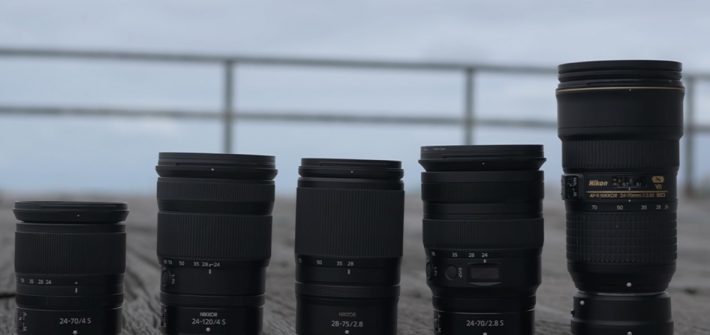
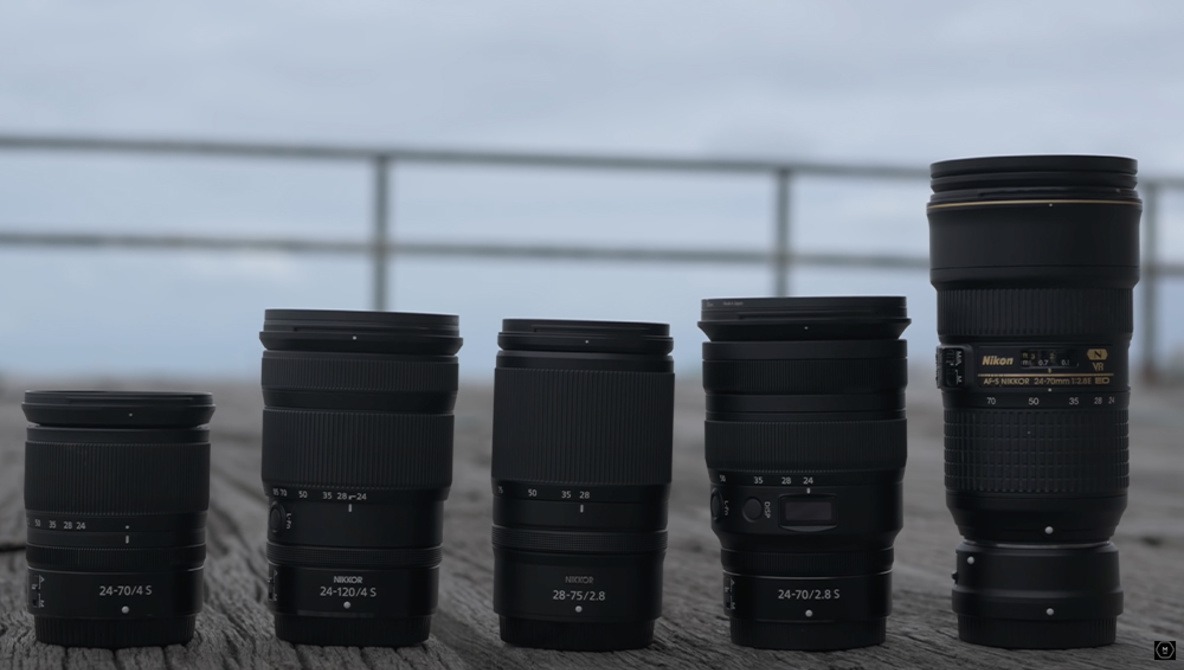
One thing is for sure: Nikon mirrorless shooters are not at a loss for choice when it comes to standard zoom lenses. With four native options from Nikon, plus the option to pretty seamlessly adapt F mount options, you might be wondering which lens in the crowded field is right for your needs and budget. This excellent video comparison takes a look at five options and all their pros and cons to help you make the right choice.
Why Some Photographers Prefer Prime Lenses
If you are new to photography, one of the most important distinctions you should learn is the difference between prime and zoom lenses. While neither is better than the other, they each have distinct advantages and disadvantages, which is why some photographers prefer primes and some stick with zooms. This helpful video discusses why one photographer prefers primes.
A Review of the Nikon NIKKOR Z 14-30mm f/4 S Lens
An ultra-wide angle zoom lens is a useful tool for many different genres, and while the professional standard of such lenses is usually f/2.8, those who do not need that extra stop can save a lot of weight and money by opting for an f/4 version. This excellent video review takes a look at one such lens for Nikon mirrorless shooters, the NIKKOR Z 14-30mm f/4 S.
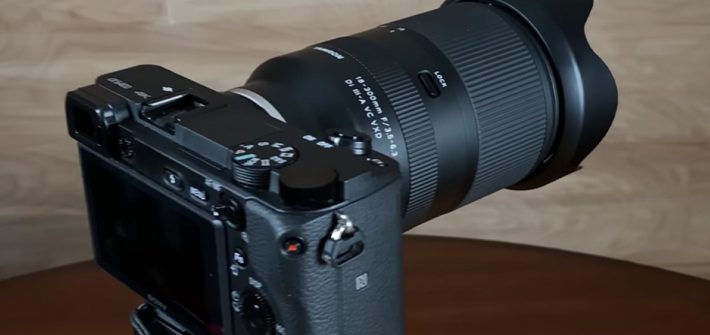
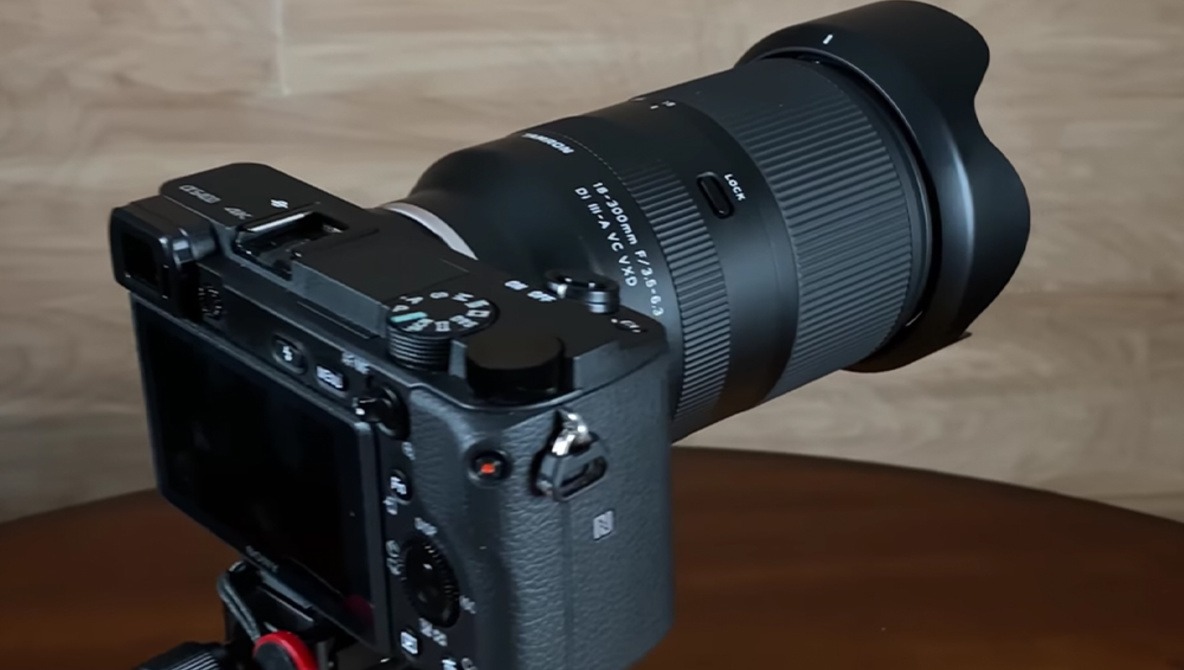
One Lens for Everything: A Review of the Tamron 18-300mm f/3.5-6.3 Di III-A VC VXD Lens
When you are going for a hike or on a trip, you do not always want to carry a backpack full of lenses. Sometimes, a single lens that covers every focal length you could conceivably need is the better way to go. For Sony and Fujifilm APS-C shooters, there is the Tamron 18-300mm f/3.5-6.3 Di III-A VC VXD, and this great video review takes a look the kind of performance and image quality you can expect from it in practice.
A Review of the Canon RF 14-35mm f/4L IS USM Lens
Professional wide angle zoom lenses tend to have apertures of f/2.8, but for photographers who do not need that extra light-gathering power, choosing an f/4 zoom can mean significant savings in both weight and cost (and sometimes other gains). For Canon shooters, there is the RF 14-35mm f/4L IS USM, and this great video review takes a look at the kind of performance and image quality you can expect from it in practice.
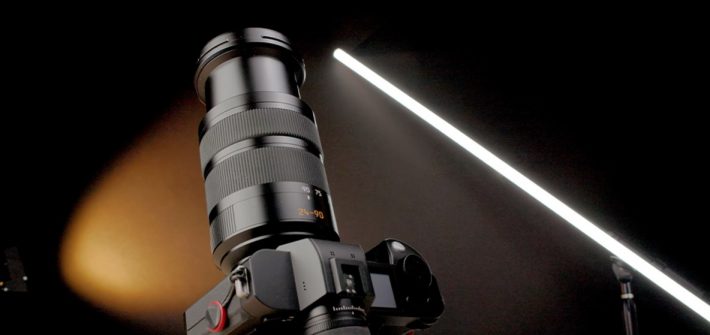
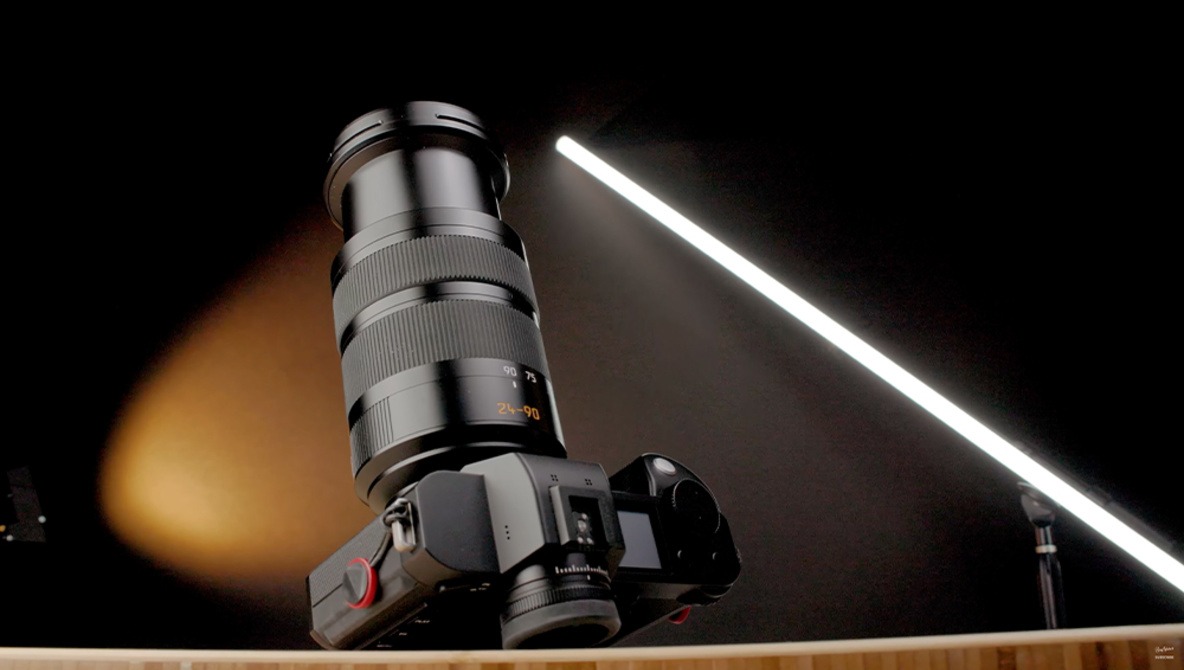
Would You Pay $5,600 for a Zoom Lens?
Would you pay $5,600 for a zoom lens? And a variable aperture one at that? It sounds crazy, but with the Leica Vario-Elmarit-SL 24-90mm f/2.8-4 ASPH., you get that beloved Leica look with the convenience of a zoom lens. How good is this premium offering? This great video review takes a look at what you can expect.

How One Photographer Used Continuous Lighting to Photograph Actress Vivica A. Fox
There are several timeless photography debates that are fun to engage in but will probably never be resolved to everyone’s satisfaction. There’s film versus digital, zoom lenses versus primes, small compact minimalistic camera versus fully featured monster-sized pro camera, and of course, continuous lighting versus strobe lighting. This article will not seek to determine whether strobes or constant lights are better for portraiture, but we will take a deep dive into how one photographer used continuous lighting on a recent celebrity shoot.
Canon Patents Another Crazy Lens
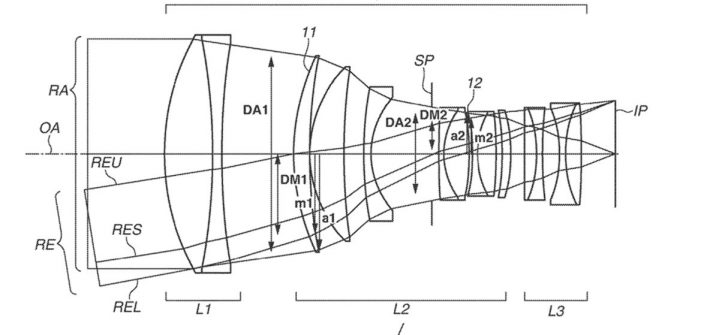
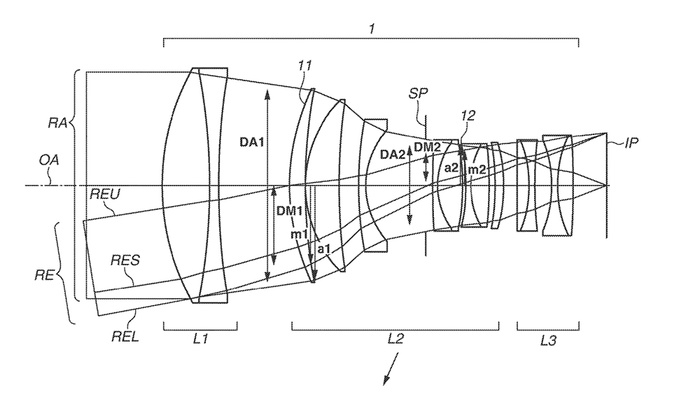
Canon has been releasing some mightily impressive lenses ever since they first dipped their toes into the professional mirrorless market, and it looks like they are showing no signs of stopping. The company recently filed patents for three new lenses, with one of them being yet another that pushes the boundaries of design.