
I often write about the careful process of making sure you get the most bang for your buck when shopping for photo gear. Well, sometimes you just get lucky.




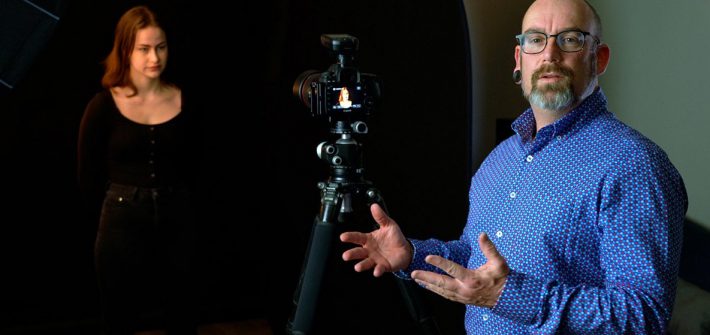
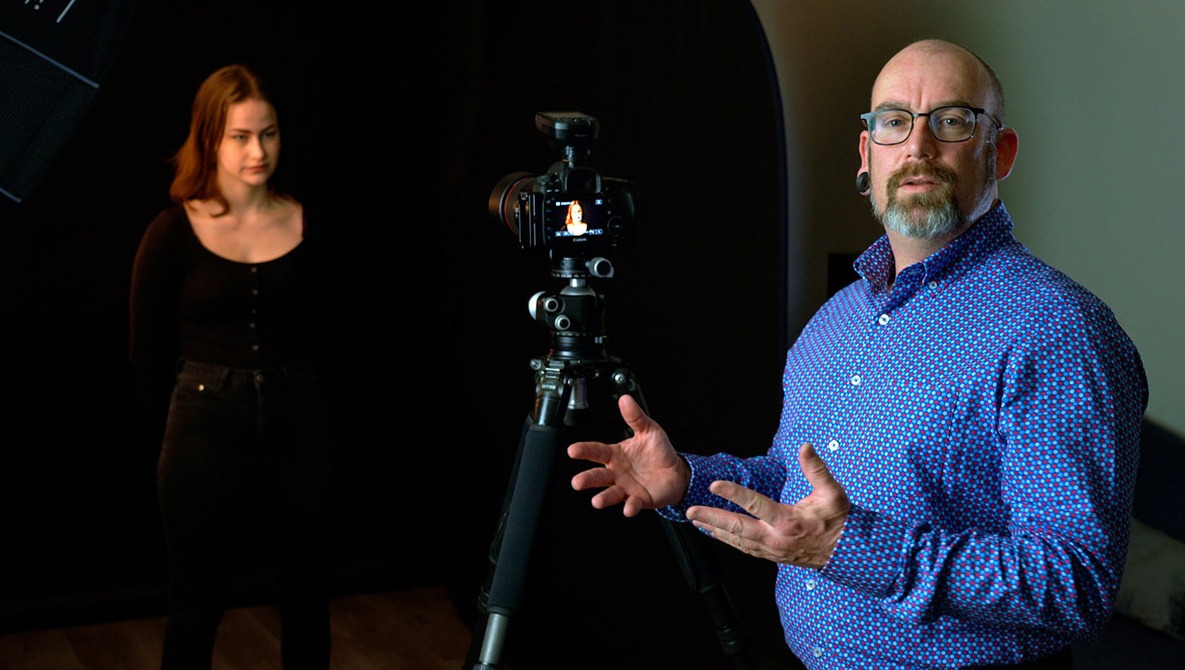
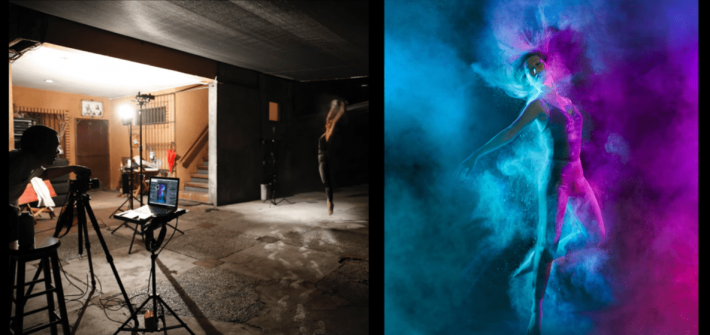
If you are going to shoot a model, it is great to have an idea about the right lighting setup. Experimenting when the model is standing in front of your camera may not be the best time to do this. With the software set.a.light.3D, it is possible to simulate any possible lighting setup imaginable.




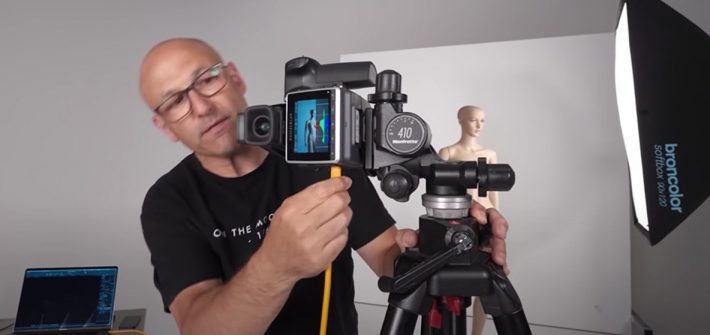
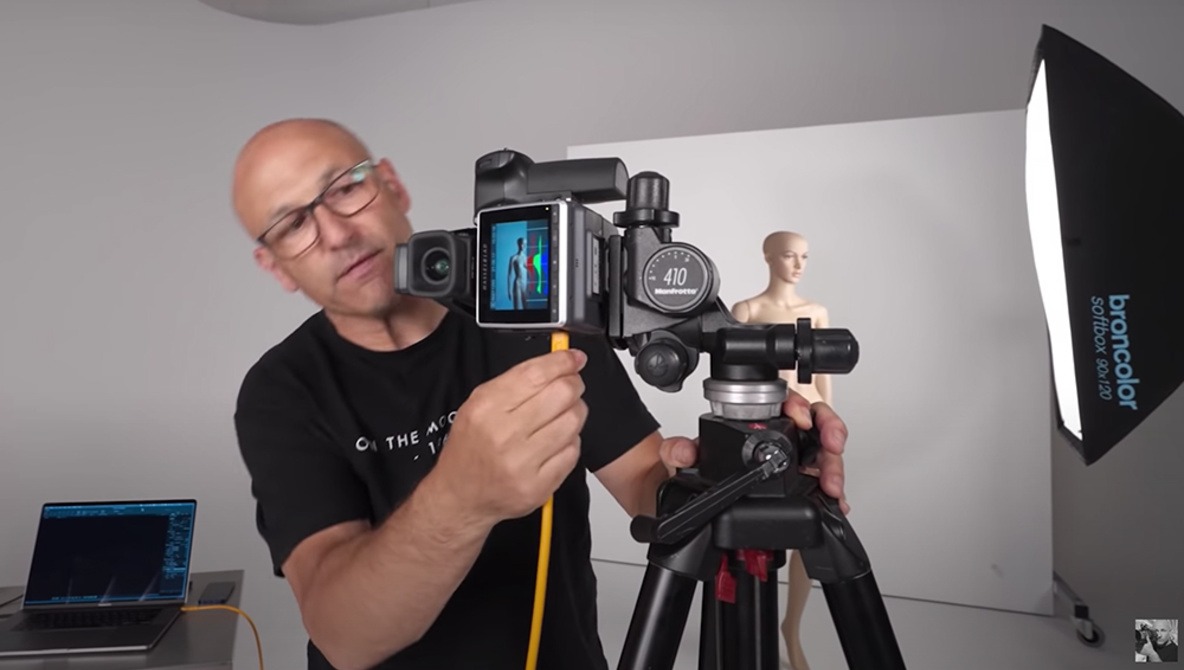
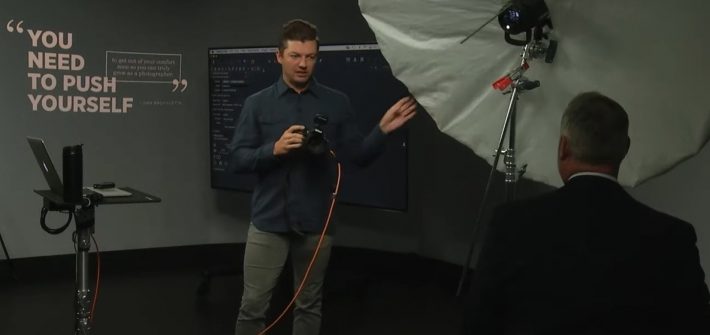
Most of us simply take our photographs, pop the memory card out of the camera, put it in our computer, and download the photos. But many professional studio photographers tether their cameras to their computers, and it can do a lot to improve both your workflow and the quality of your images. This excellent video tutorial discusses 10 reasons why tethering is worth trying in your own work.





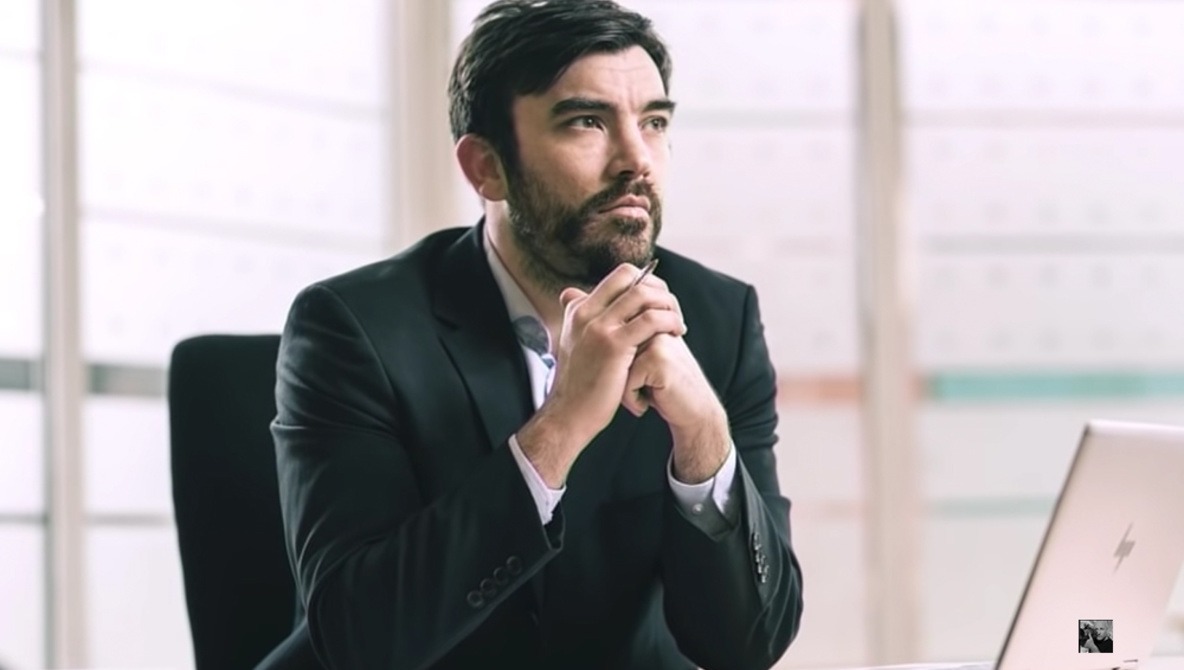
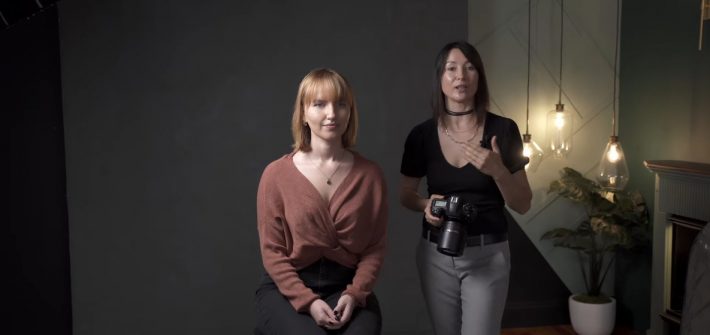
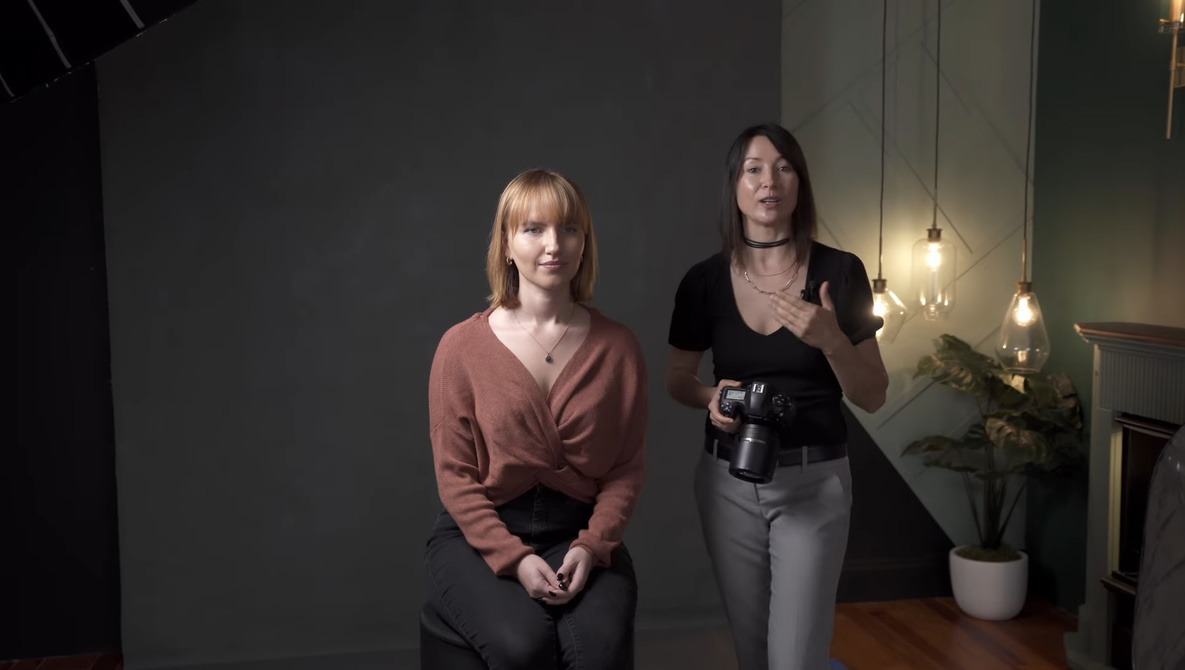
Business portraits live in their own world distinct from normal portraits, and they have their own considerations and techniques you should be aware of before you set out on a shoot. This helpful video tutorial discusses five common business portrait mistakes photographers make and how to either fix them or avoid them altogether.




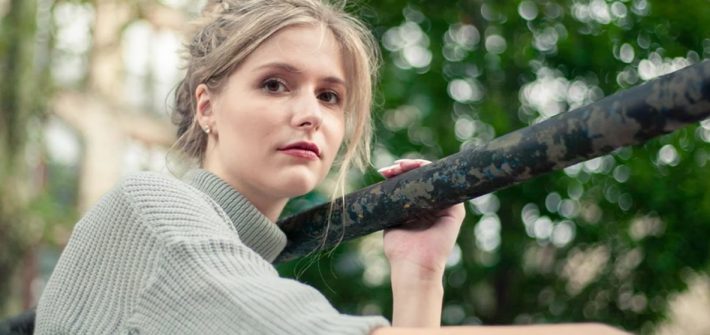
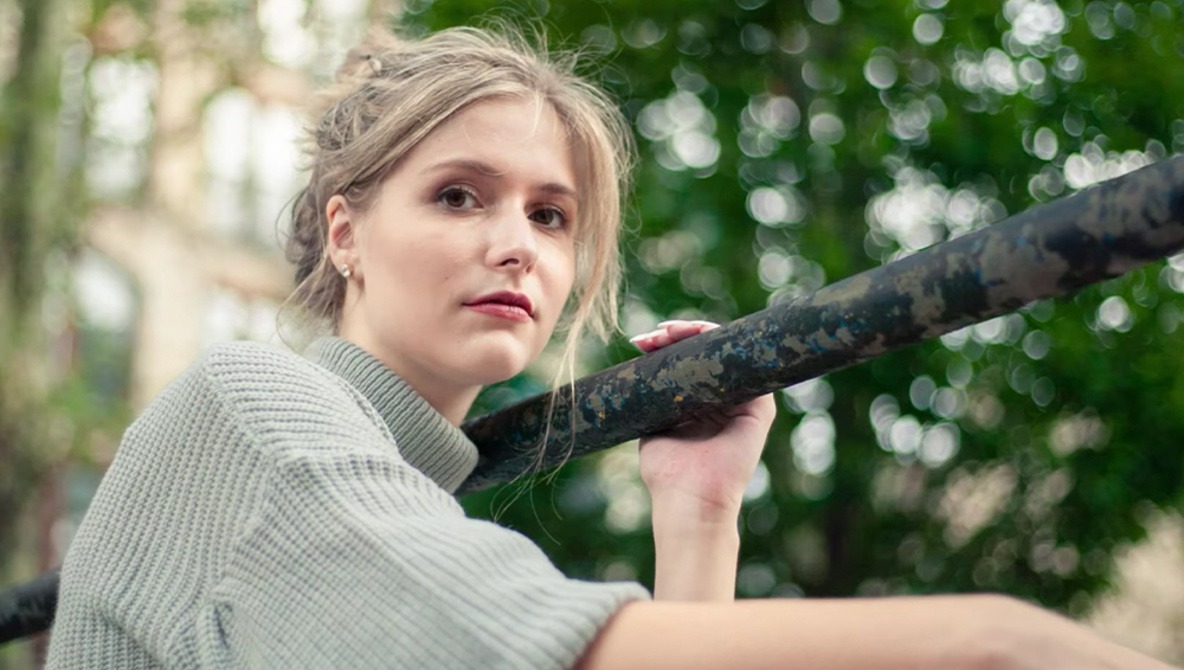
The original Canon 1D came out almost 20 years ago, in November of 2001, and it represented the company’s arrival on the professional digital camera market. Since then, the 1D series has become well known for its high-level capabilities and almost unbreakable build, becoming a favorite of countless pros around the world. What was the original model like, though? This neat video takes a look at the shooting experience and image quality. Spoiler alert: the colors are beautiful.






Ash wants to take up photography. Never having owned a camera, besides the one on their phone, it’s something they have always had a hankering to do, especially after seeing all those great photos on Instagram. This is a cautionary tale, telling what can go horribly wrong for photographers.