Starting out in photography can offer some harsh lessons, but here are six useful insights and hints that will give you a sense of perspective and potentially improve your images.




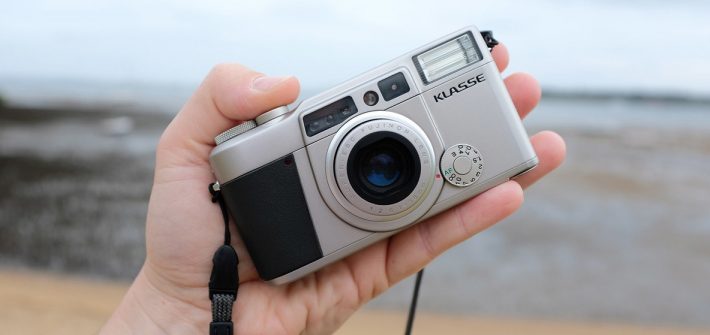
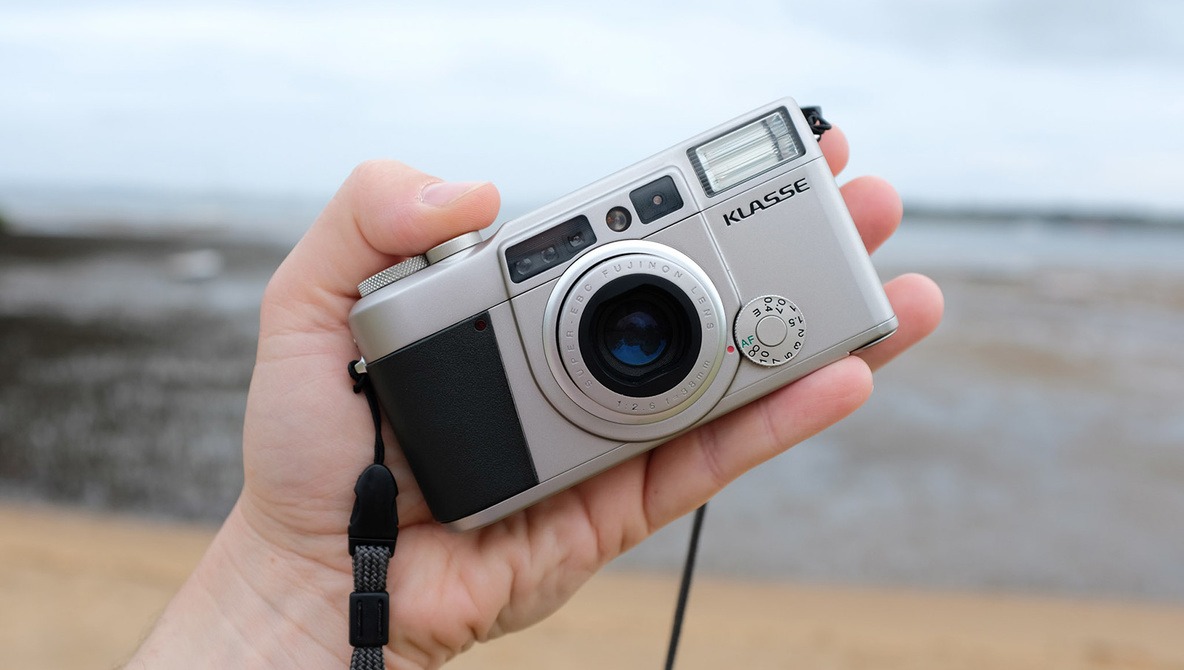
The film community is a pretty friendly place. I’ve made a lot of good mates all over the world since launching my film photography podcast, “Matt Loves Cameras,” three years ago.






Over the history of mankind, the best way found to archive data was to carve it into stone, then bury it in the sand. Photographically, the most stable form of archiving is probably a black-and-white silver-based image on a glass plate. For digital data storage, there is no perfect permanent storage option. Most digital storage media can’t be confidently recommended to be dependable beyond 5-10 years.






With the release of the Sony a7S III, many people are asking the question: is 12 megapixels enough resolution? Can you shoot client work or make large prints if you only have a 12-megapixel sensor? These are important questions for the photographer or videographer seeking the perfect camera.





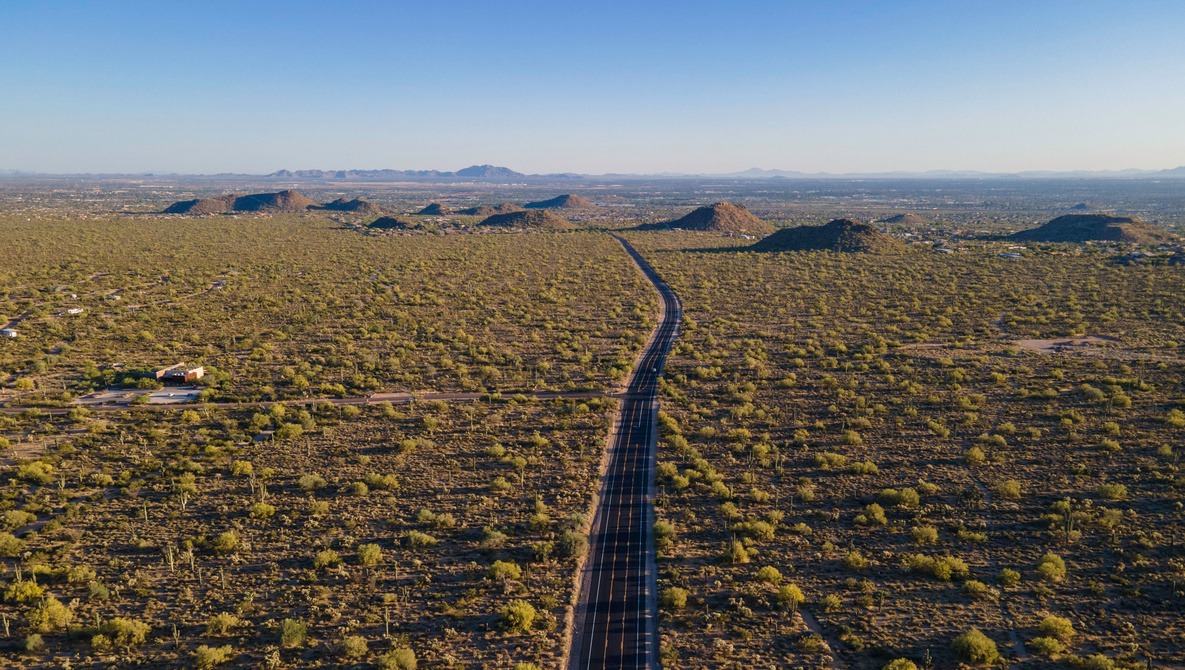
While the choice of a memory card might seem simple if you normally just grab whatever’s on sale, there are a number of reasons to reconsider that method. The latest generation of cards offer faster speeds and larger capacities at better price points. Whether you’re looking to equip your newest action cam or drone, PNY’s Pro Elite MicroSD card is a great choice.




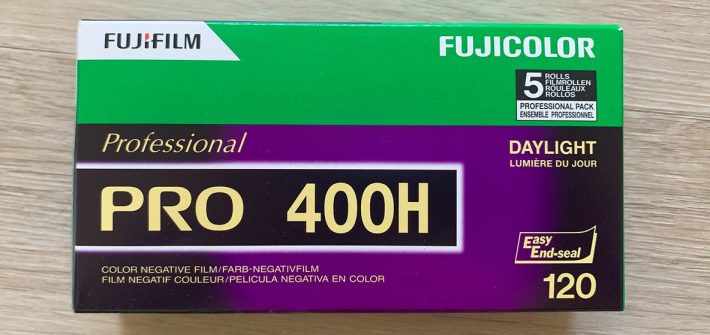
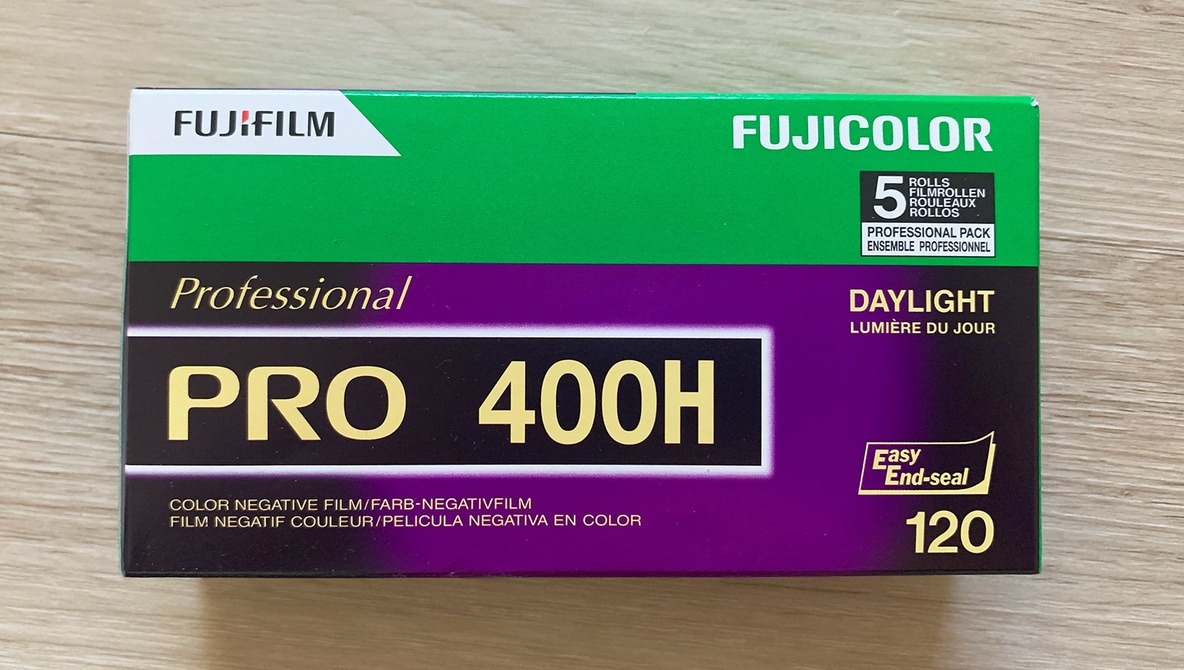
I love everything about shooting film. I love the feel of it, I love the cameras, I love the surprise of seeing the images, I love the community. I love it so much I set up my own film photography podcast called Matt Loves Cameras.




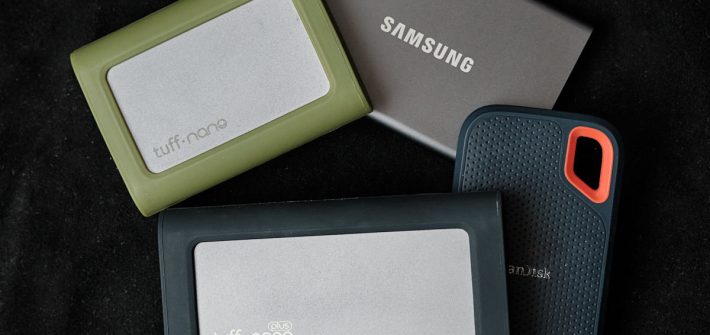
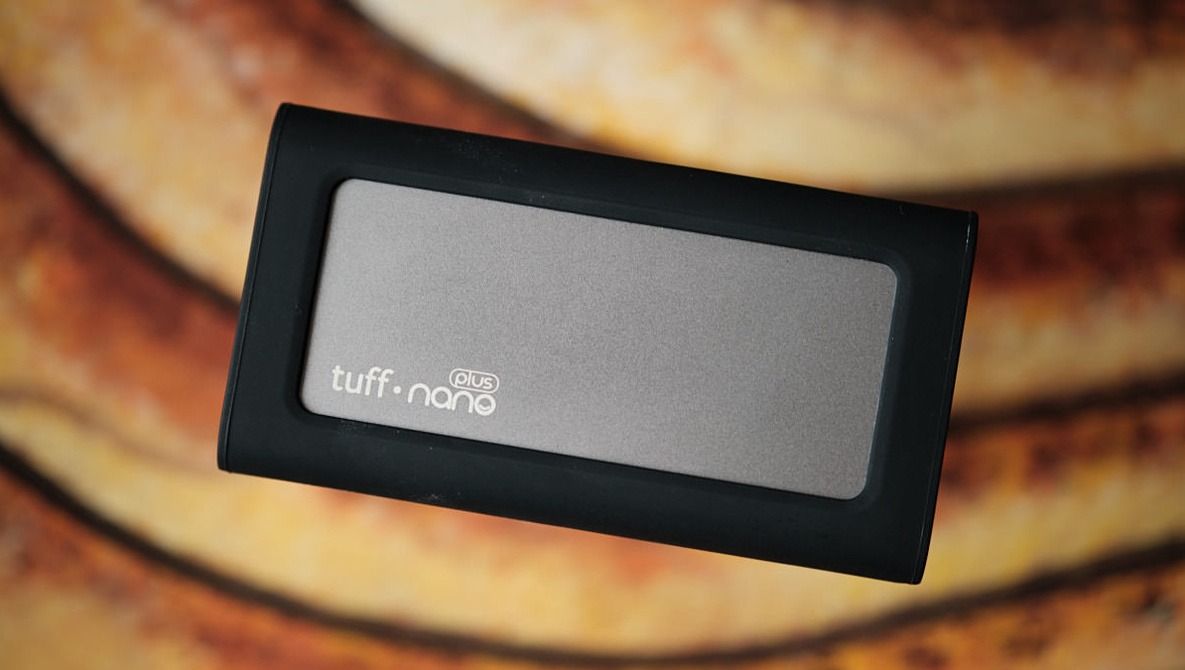
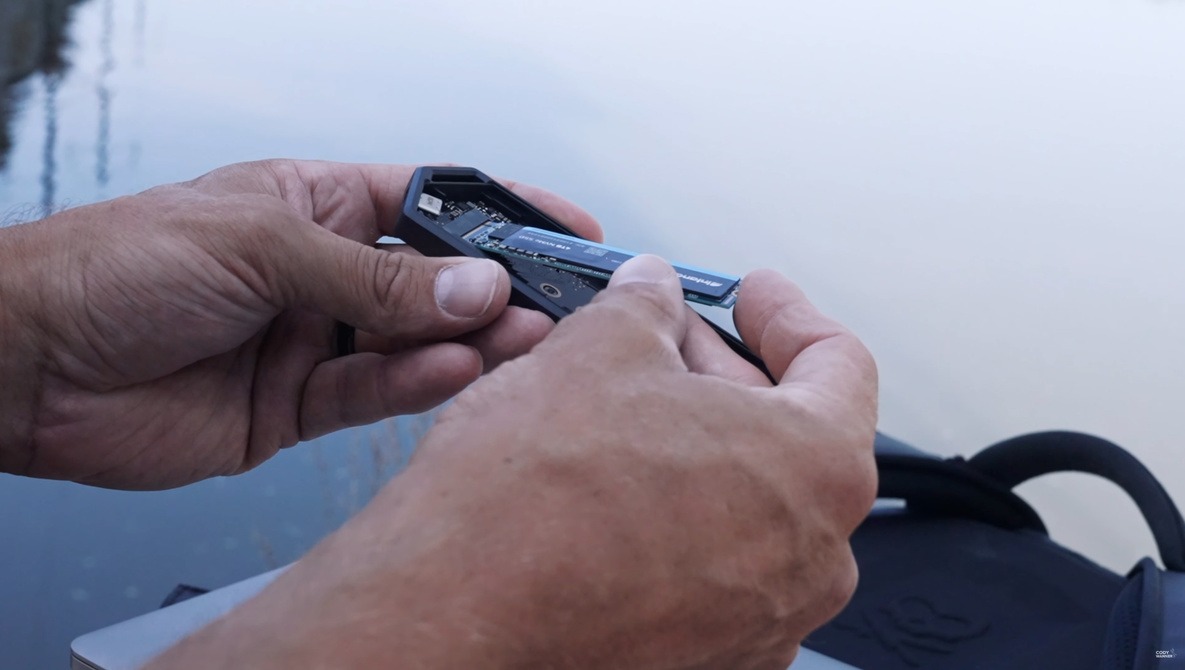
The files we create on set are getting larger and larger. With 8K footage and 50+ megapixel stills becoming more common, we need fast portable drives to get our files from set to workstation and for working on the road. Caldigit have just updated their Tuff Nano NVMe drives to a 2TB Tuff Nano Plus to help alleviate this struggle.