
We live in a world where most of our images are intended for an audience. In this article, I’ll share some ways to circumvent that way of thinking to create simply to create.




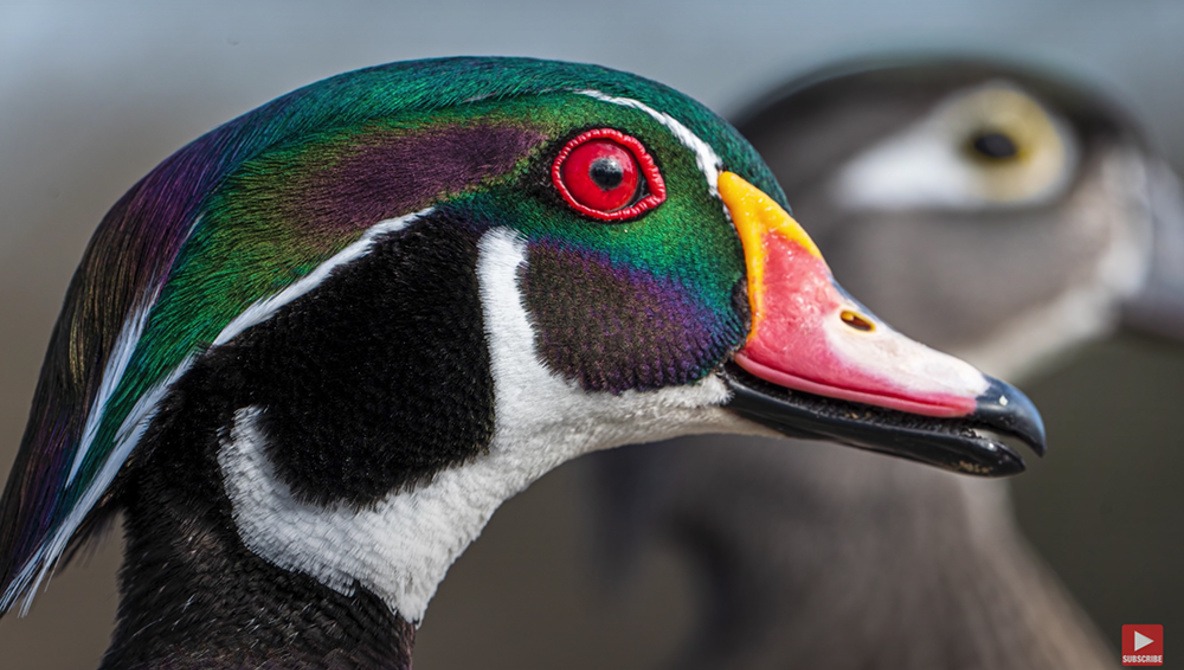
Supertelephoto zoom lenses are some of the most versatile out there, suitable for a wide range of genres and scenarios. Sony shooters have a lot of great choices when it comes to such lenses, and this excellent video compares four of the best options from Sony, Sigma, and Tamron.




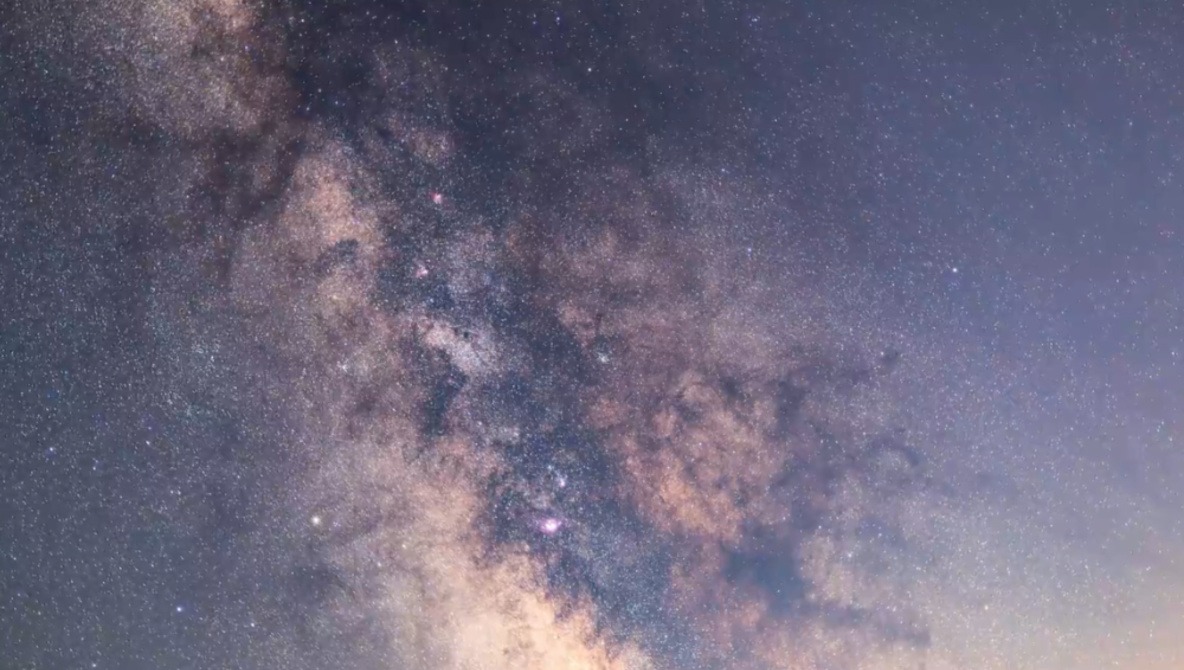
Astrophotography is a tremendously challenging genre that requires some specialized techniques and knowledge, but when you nail a shot, the results can be jaw-dropping. If you are looking to improve your astro images, this excellent video tutorial will show you five great tips that will help you take better photos of the night sky.




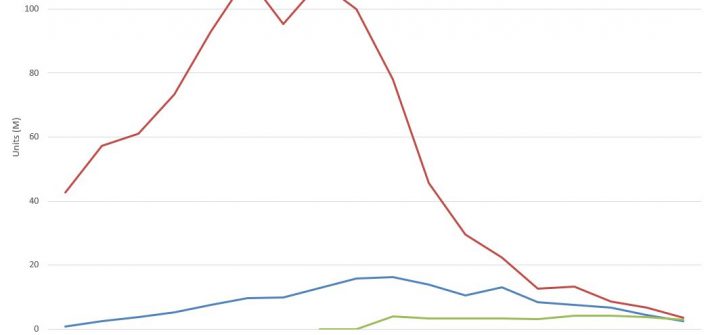
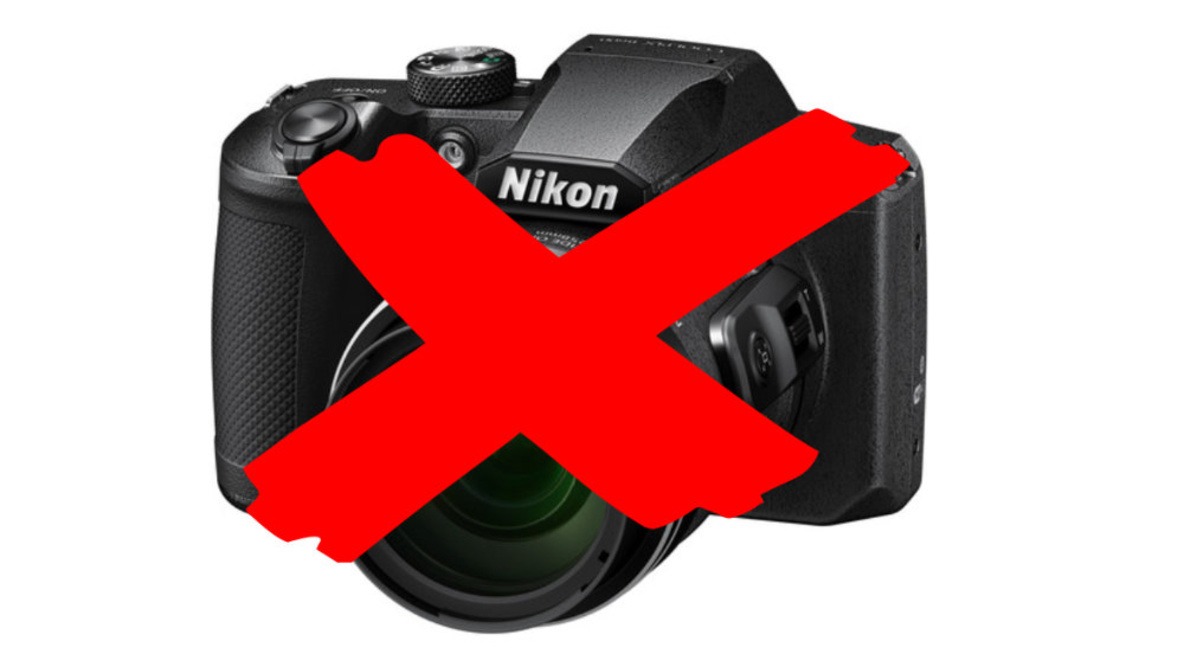
Nikon quietly — or maybe not so quietly given the press — announced the demise of the innocuously named Coolpix B600, a product name that just trips off the tongue and screams cheap and cheerful. What is startling about this camera is that it only hit the market in December 2020. Some eight months later it has bitten the dust. Why is this and what does it say about the camera market?




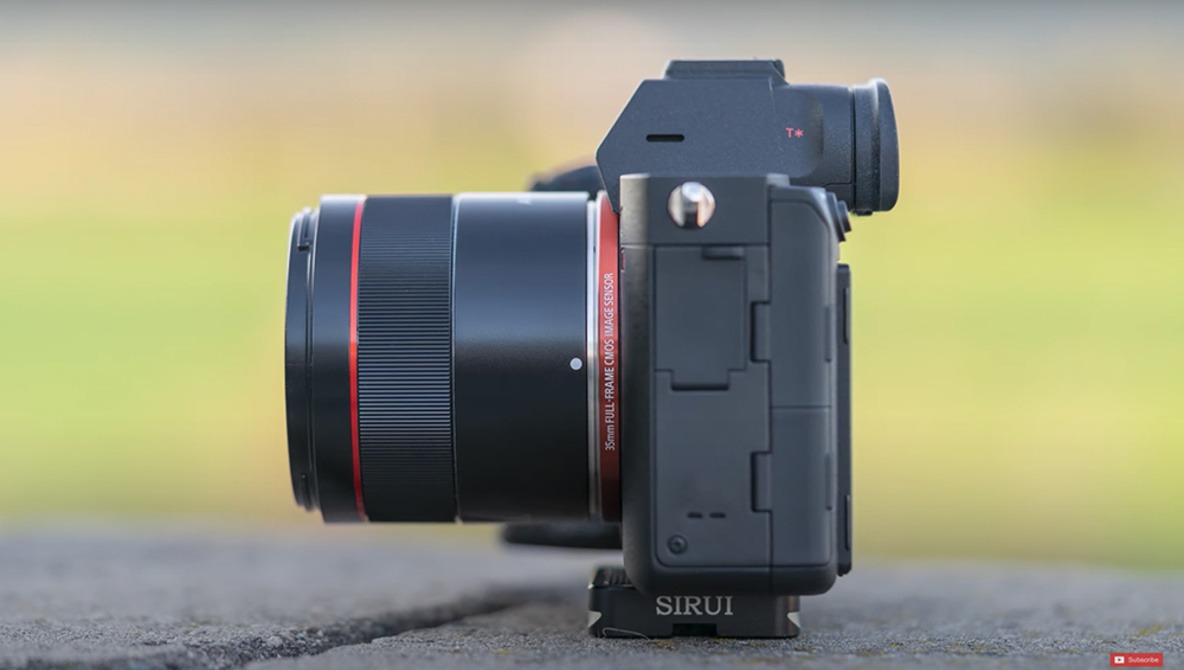
A good 50mm lens with a wide aperture is one of the most useful a photographer or filmmaker can own, suitable for everything from portraits to low-light work. At $299, Samyang’s AF 45mm f/1.8 FE is an affordable option, and this great video review takes a look at the lens and the sort of performance and image quality you can expect from it in practice.




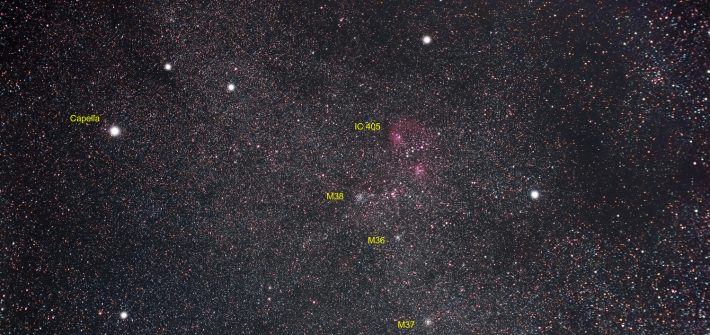
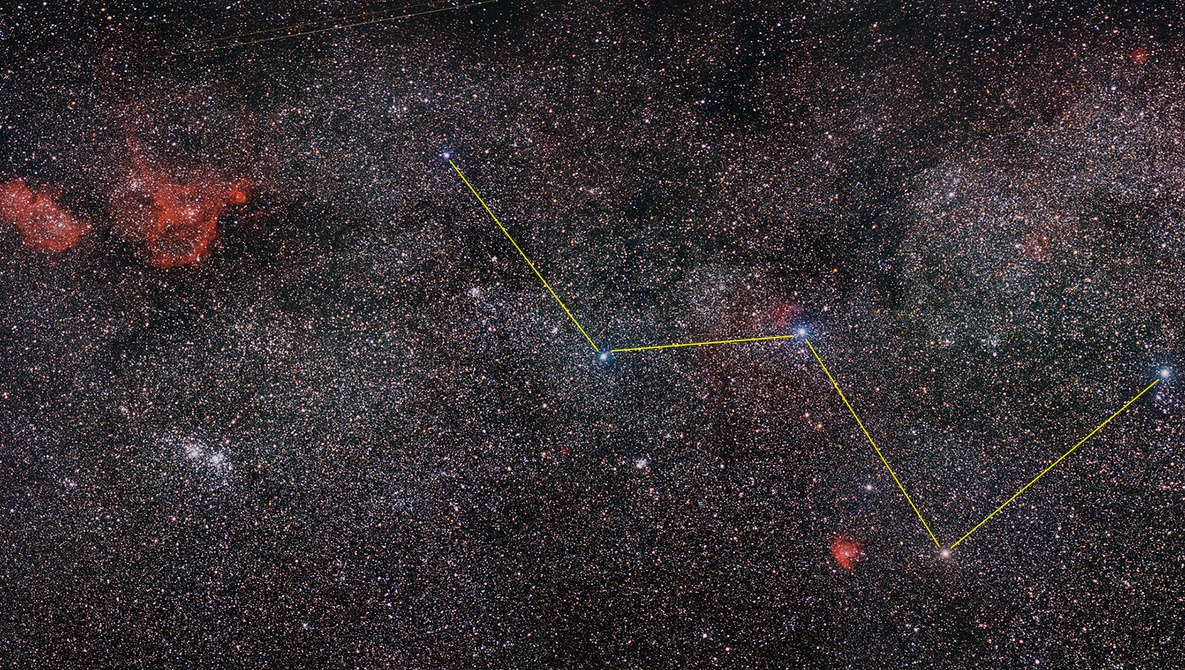
Fall tends to be a “transitional” season for the astrophotographer. Summer constellations are still visible for early evening, but are quickly fading into the sunset. Late in the evening, some of the prominent Winter constellations are starting to come into view. In a few months these winter constellations will be high in the sky and well placed for astrophotography, so now is the time to do some planning.