How to Get Started in Deep-Sky Astrophotography With a Telescope and Your Camera

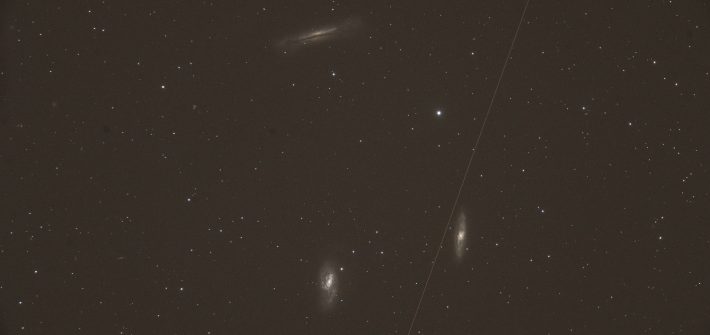
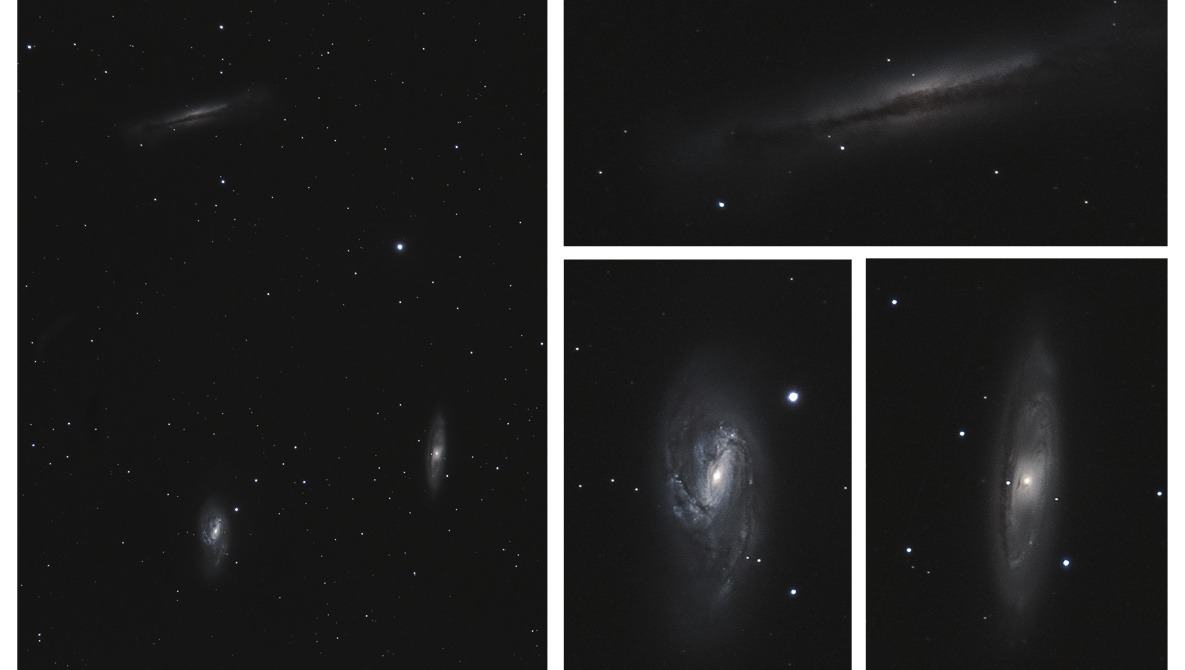
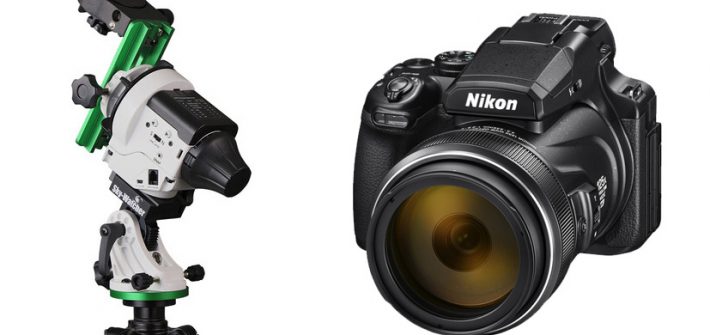
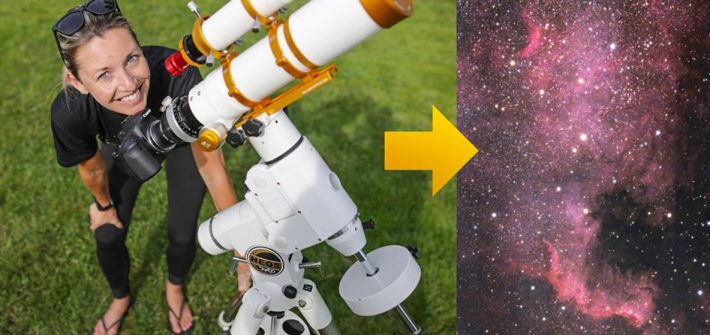
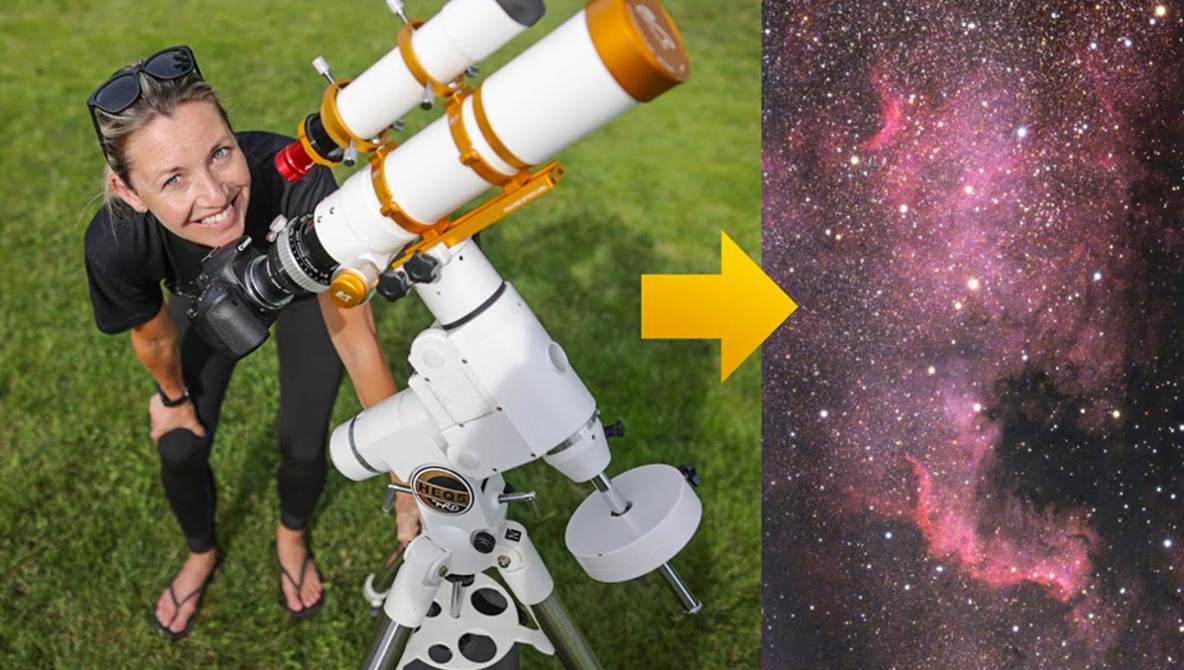
Astrophotography is a very challenging genre, requiring specialized equipment, technical knowledge, top-notch technique, and a lot of patience, but it can be tremendously rewarding when it all comes together and you get a stunning image of something that is an unfathomably large distance from our home. If you are new to deep-sky astrophotography, this great video tutorial will show you the basics of getting started with a camera and a telescope.


[ Read More ]

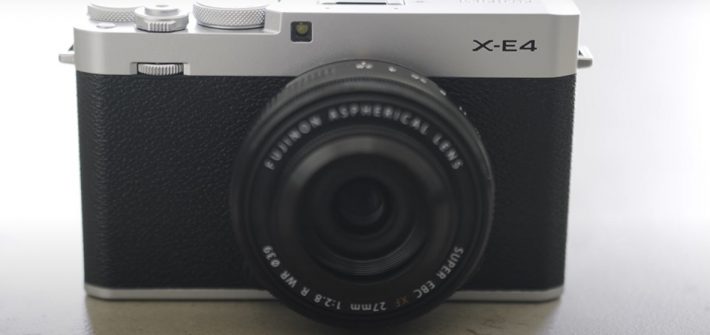
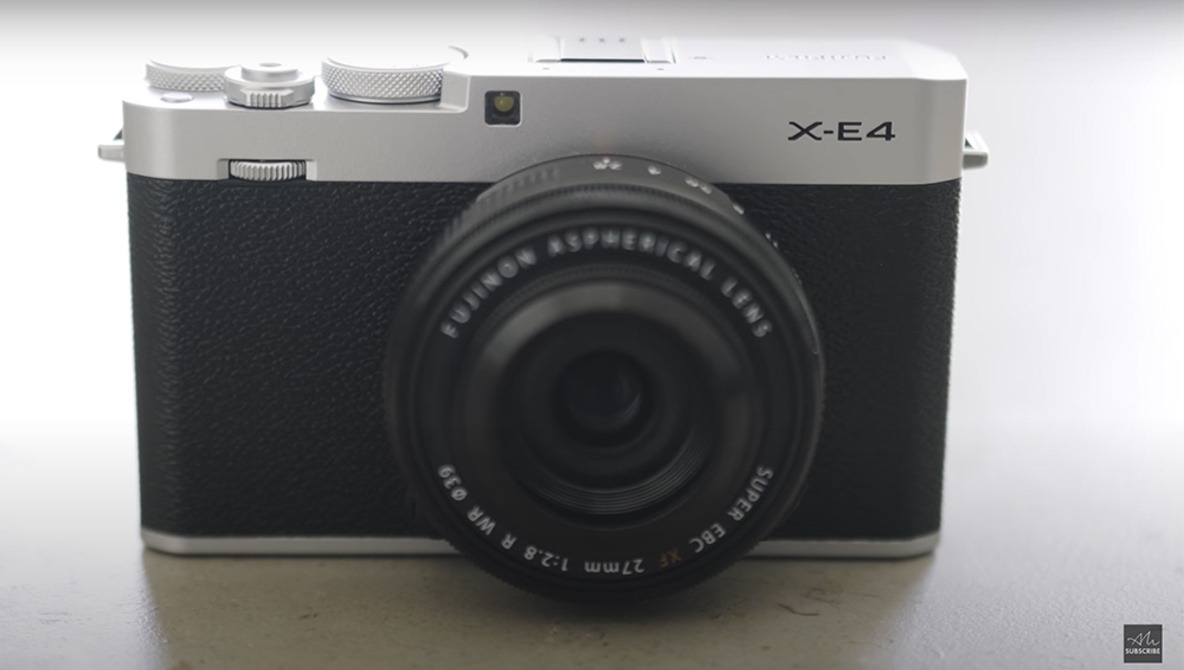
How Good Is the Fujifilm X-E4 Mirrorless Camera?

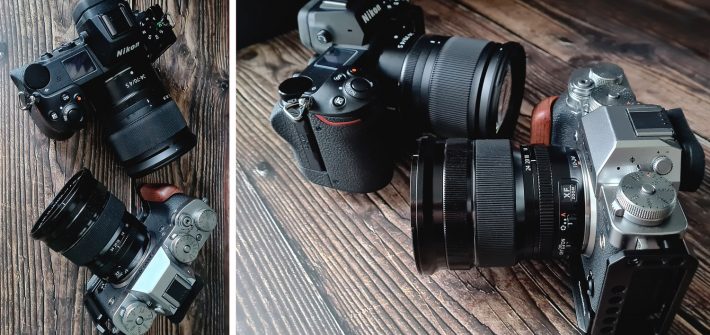
One of the unique features of the Fujifilm X Series is that almost every camera model has the same sensor, which means if you do not need top-shelf professional features, you can still get the best image quality the company has to offer. The X-E4 uses the company’s newest X-Trans sensor and adds a range of new and useful features while keeping an affordable price. This great video review takes a look at the camera and the kind of image quality and performance you can expect from it.

[ Read More ]

An Intro to Photographing the Planets

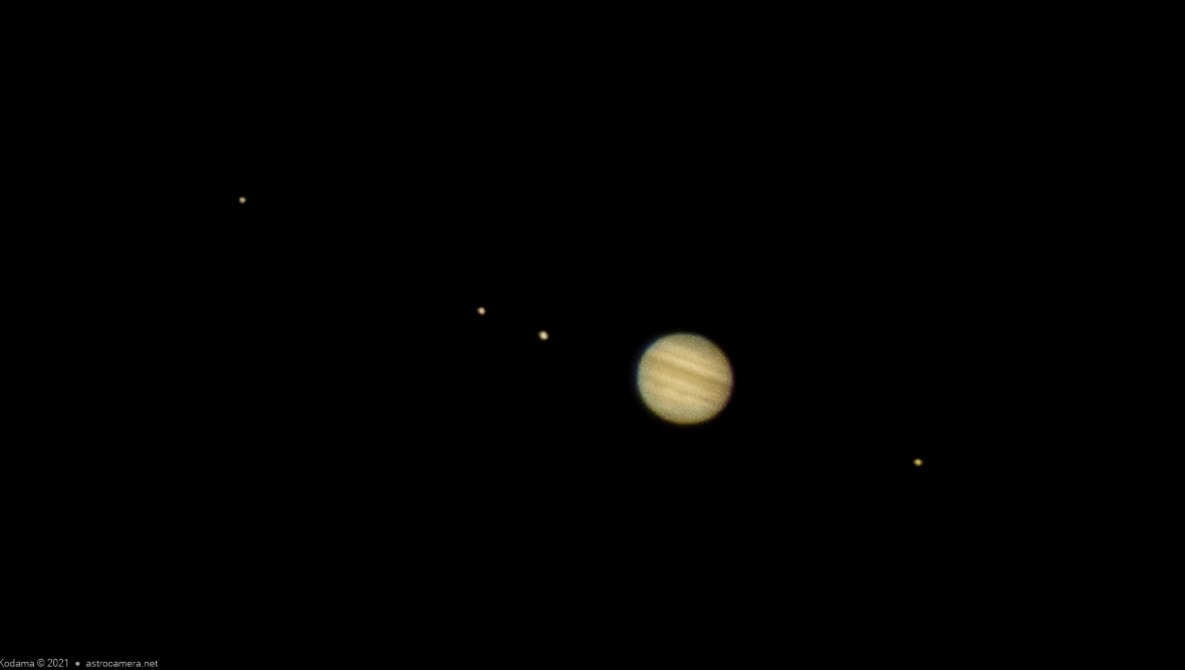
Aside from the Perseid meteor shower, the summer hype is on for viewing Saturn. Indeed, Saturn is a great target for visual observers, especially if it’s your very first view through a telescope. But for astrophotographers, it’s a tough target. A bit of an easier target is Jupiter, which is “following” Saturn across the summer sky.

[ Read More ]

Why a Seasoned Landscape Photographer Bought a 150-600mm Lens

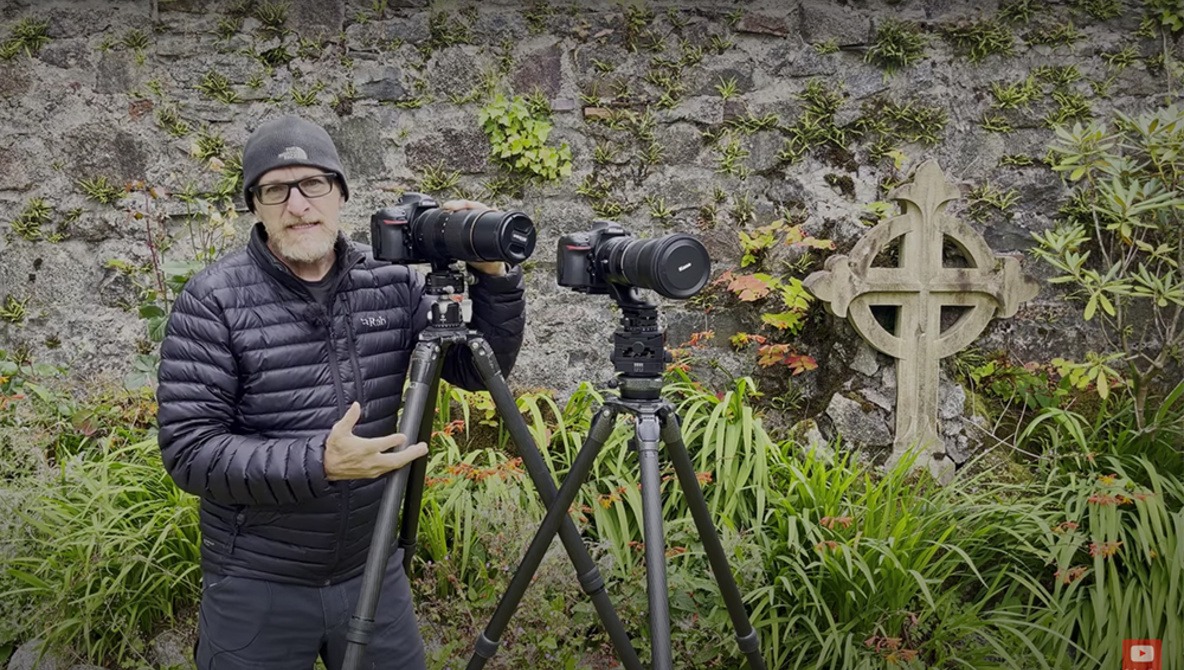
When you think of focal lengths in landscape photography, lenses like a 24mm or 16-35mm probably come to mind, and for good reason, as wide angle lenses help to capture those beautiful scenes in one frame. That being said, longer focal lengths have their place too, and this excellent video features a seasoned landscape photography discussing just why he bought such a lens for his own work.

[ Read More ]