Want to improve your images? Here are seven rarely talked-about approaches, not involving the camera settings or composition, that may help you take your photography to the next level.





Back in film days, you loaded up a 24 or 36 exposure film and shot away until it was used up. Frames were precious because when your film was gone, it was all over. Digital removed that barrier, which has just created different problems. So, should you delete photos and, if you do, when should you stop?






Perhaps one of the biggest moral debates I have with myself is when I look at the good work of “bad” photographers — work that has a life of its own and work that has become culturally significant. Yet, that work has a dark side to it: the creator. Is it possible to look at photographs without ever thinking about the photographer behind them?






A long time ago, I heard someone utter this bit of nonsense. Depending upon the genre of photography you shoot, there are good arguments for using manual controls and settings. However, there are times when your camera’s automated technologies prove the Luddites wrong, then automation is king.



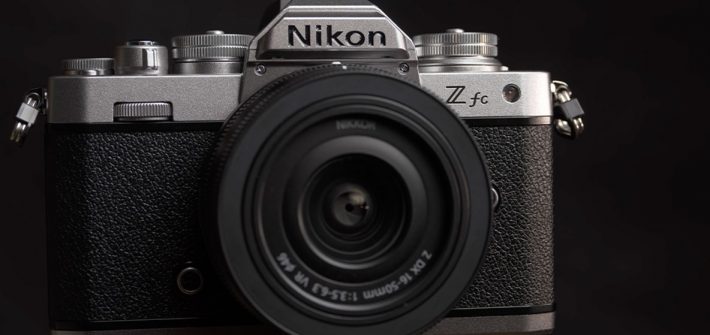
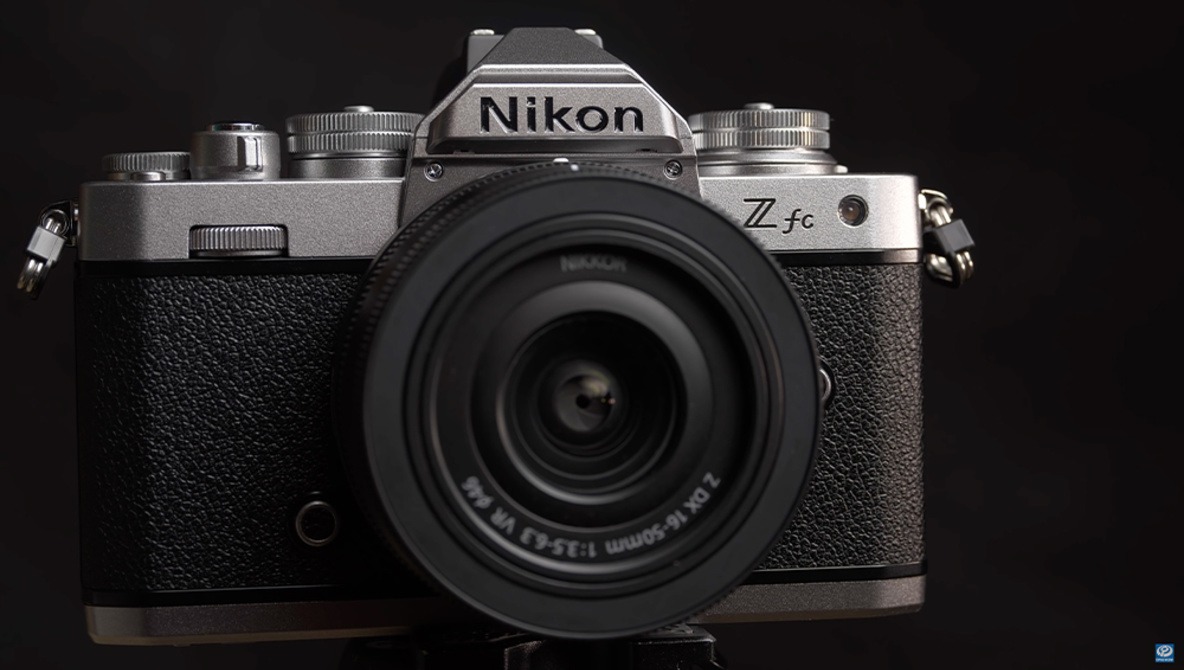
Nikon’s first retro-inspired camera, the Df, came out to mostly middling reviews noting its emphasis on form over function. Their second effort, the mirrorless Z fc, keeps the retro aesthetic and features far more competitive specs. Did the company hit the sweet spot this time? This great video review takes a look at the image quality and performance you can expect from the Z fc.



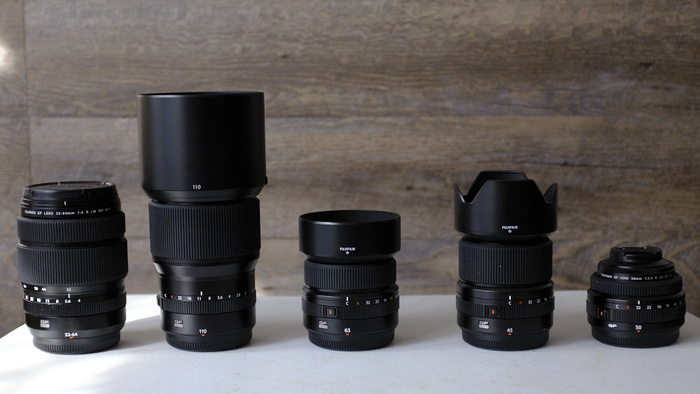
In an industry where every day seemingly brings the announcement of a new camera system promising to up your photography game while simultaneously depleting your bank account, it can be hard to know what is really worth the investment. So today, I’ll have a quick look at three areas where I’ve found you almost always get an appropriate level of bang for your buck.