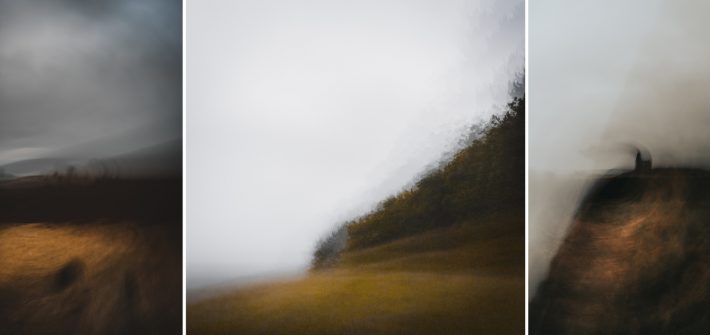
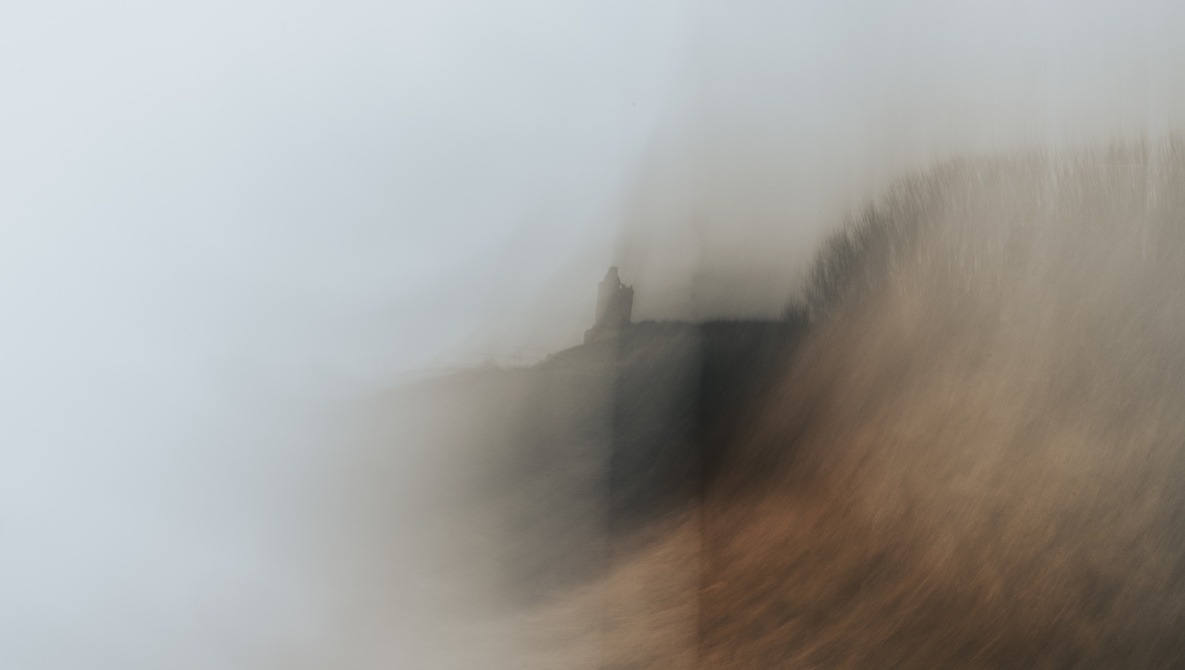
Focussed on the sharp, perfectly composed, and exposed shot? Why not try Intentional Camera Movement or multiple exposures to create something unique. You may quite like it.




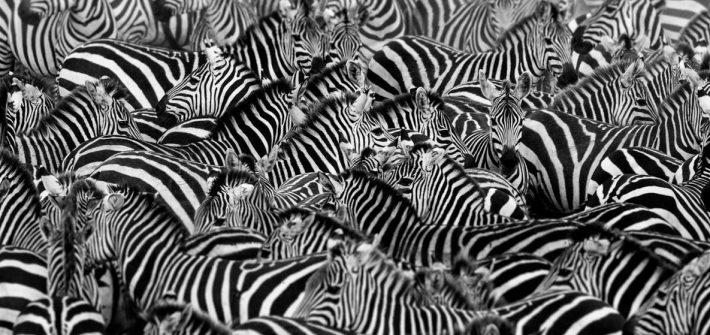
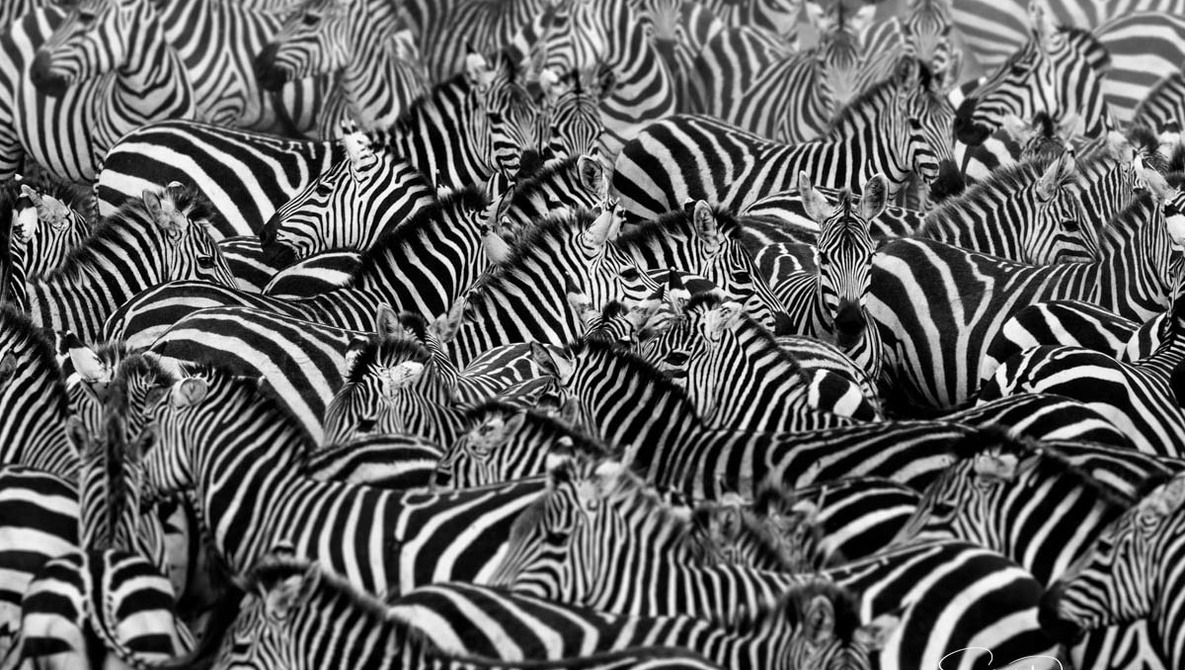
So, what are the best settings for wildlife photography? Most people would argue that aperture priority would be the best way to tackle shooting fast action like wildlife and sports. It gives you the best balance between automatic camera settings (like picking the correct shutter speed) and manual control (like the ability to compensate for exposure).






There is nothing worse than seeing an attractive scene, creating a photograph of it, and then when you sit down at your computer, you realize it’s boring. This can be the result of a number of mistakes and this video offers seven actionable tips to make sure your images grab viewers’ attention.




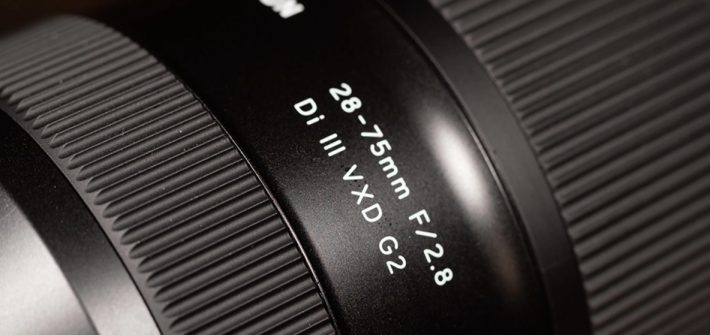
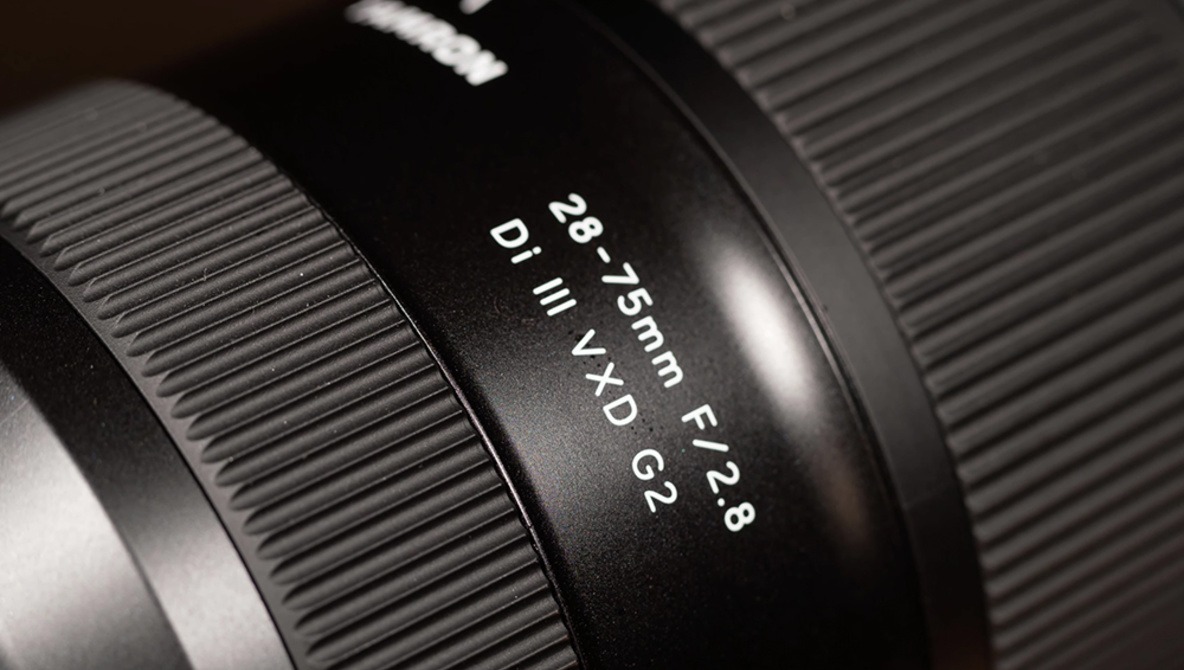
Tamron has reinvented itself in recent years, making smart compromises to create lenses that are highly practical but that do not break the bank. The 28-75mm f/2.8 Di III was a runaway hit for the company, offering impressive image quality and performance at a price that significantly undercut comparable options. The second generation of the lens is here, and this excellent video review takes a look at the performance and image quality you can expect from it in practice.




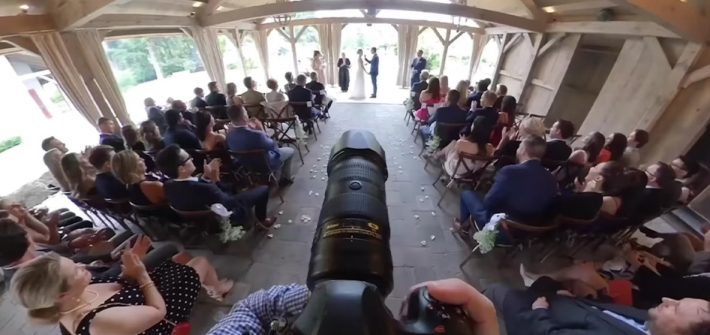
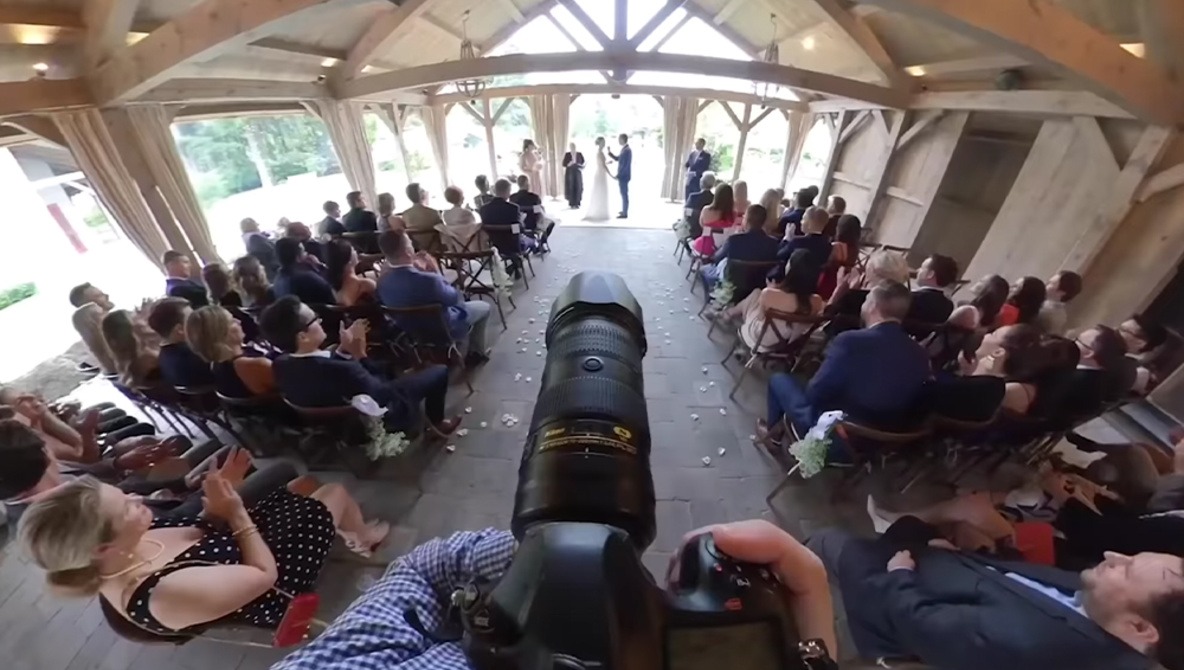
Perhaps no genre will put more pressure on you in the moment than wedding photography, which requires you to be at the top of your game and gives you no second chances if something goes awry. This helpful video tutorial features an experienced wedding photographer discussing some important rules that will help to put you on the track to success.



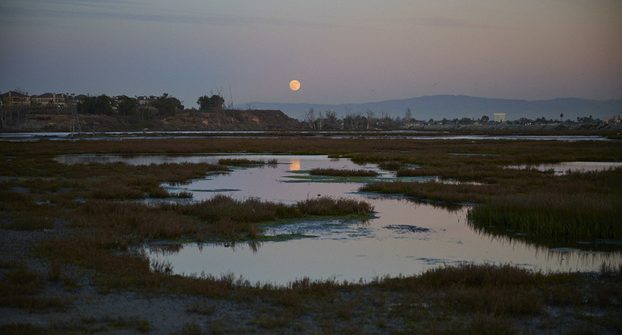
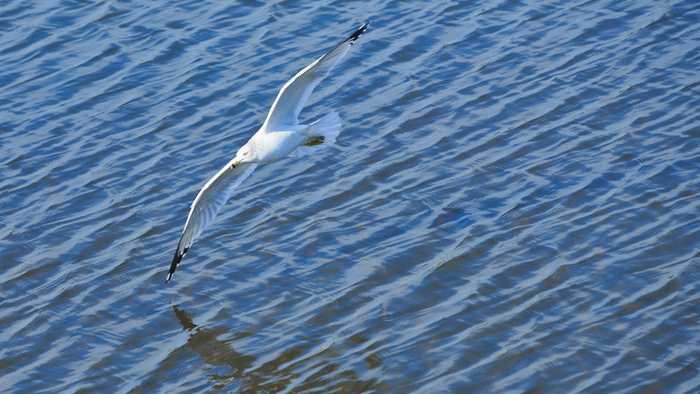
Today, we jump into part two of my three-part series on my experience shooting for the past three months with the new Nikon Z 6II mirrorless camera. In part one, we went over ergonomics and first impressions, while in today’s episode, we will take the camera out into the field to visit the wildlife.