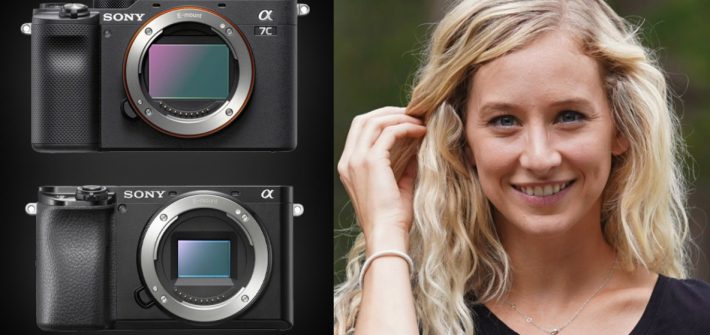
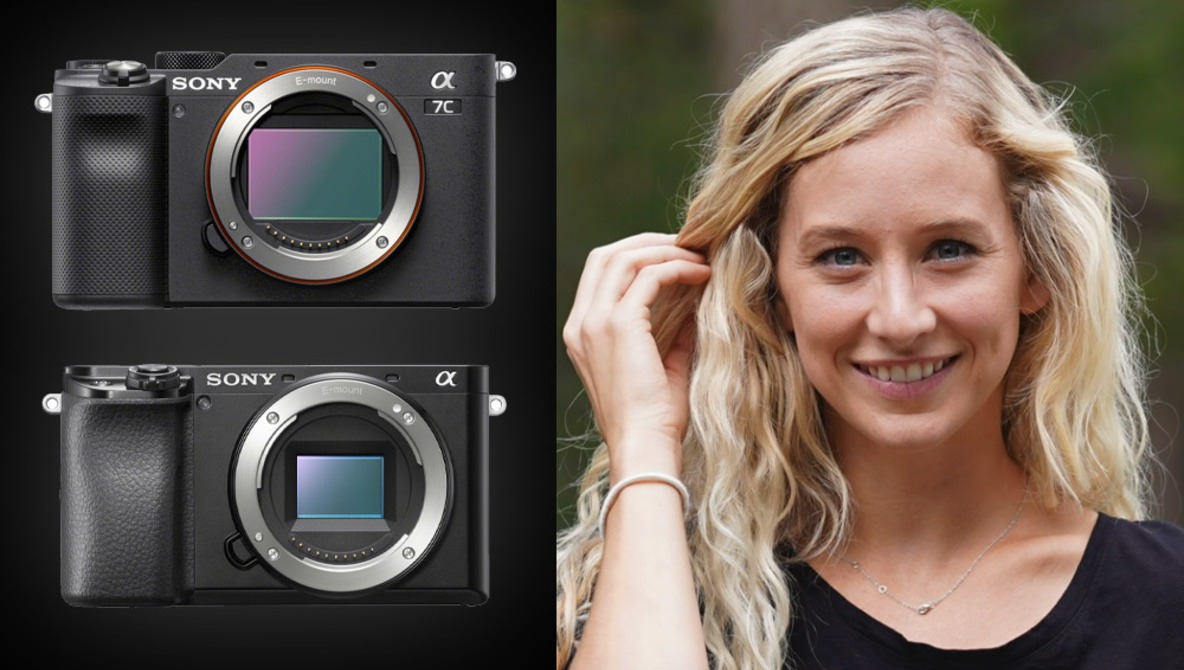
How much difference can you see if you shoot portraits on a full frame camera and compare it with those shot on an APS-C camera, both using excellent lenses? This video finds out.




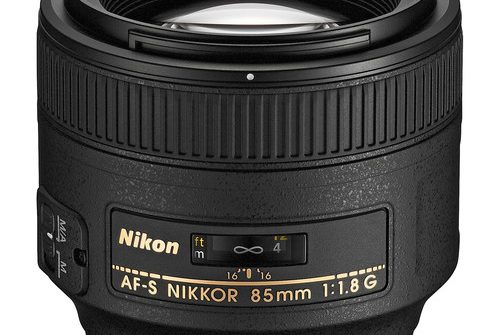

I raise you my swirly bokeh to your circular bokeh because I intuitively know that it looks nicer. However, is my swirly Nikkor AF-S 50mm f/1.4G on the Fuji X-T4 more blurry than your circular Nikon Series E 50mm f/1.8 on the Nikon D850? Read on.



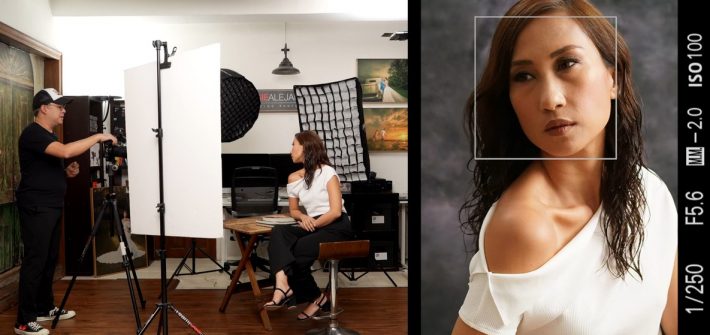
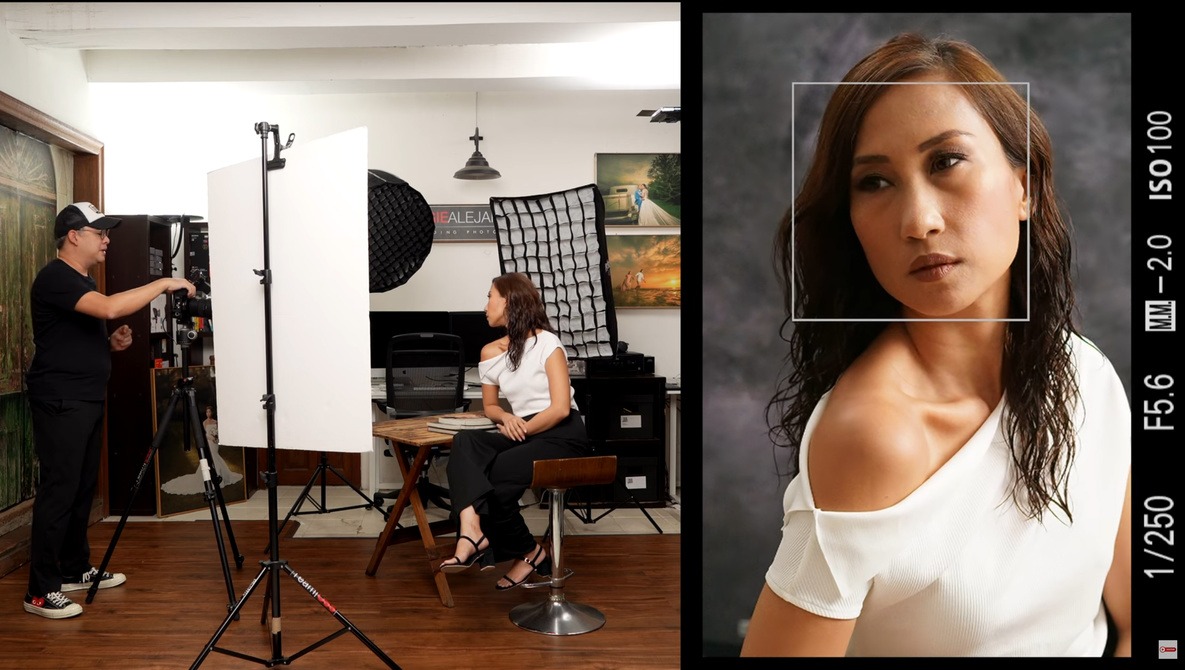
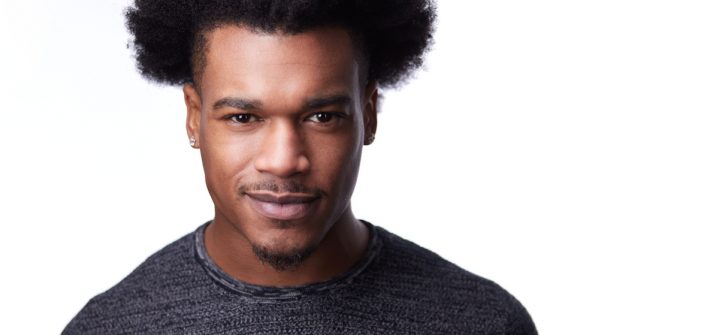
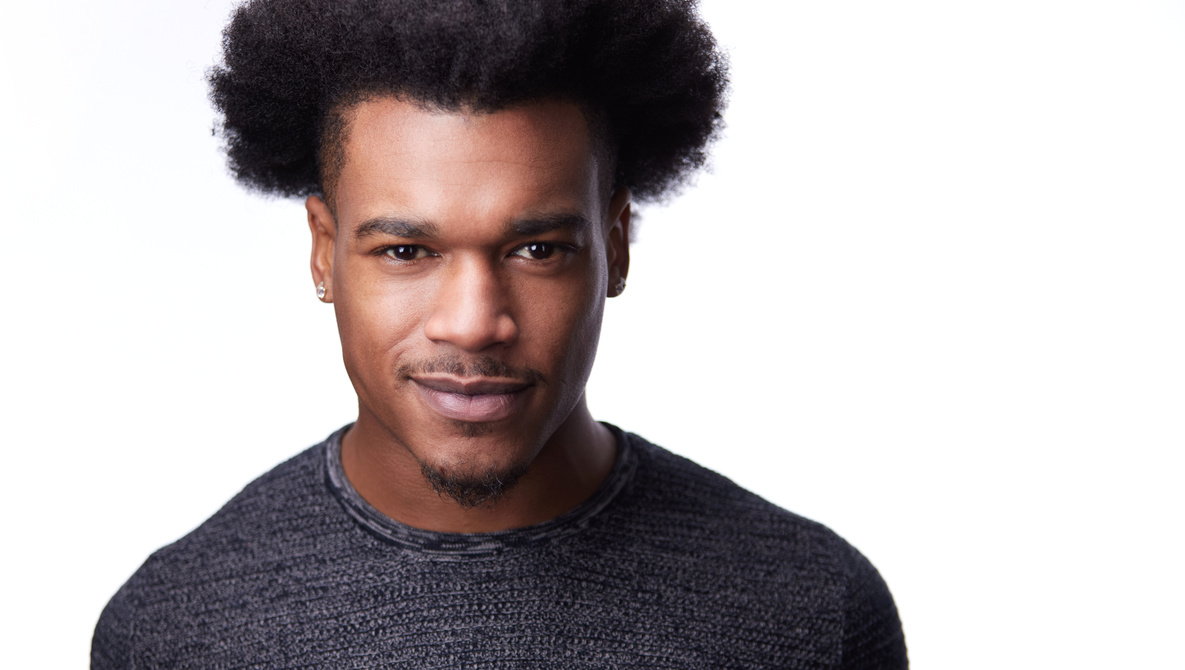
There are many ways to light a subject, both complex and simplistic, and while you might be always tempted to go for the most complicated setups, knowing the classics is important too. Classic lighting is classic for a reason and you may find yourself using it more often than you expect.



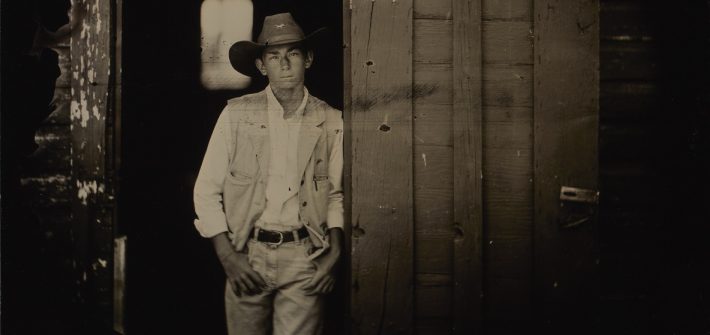
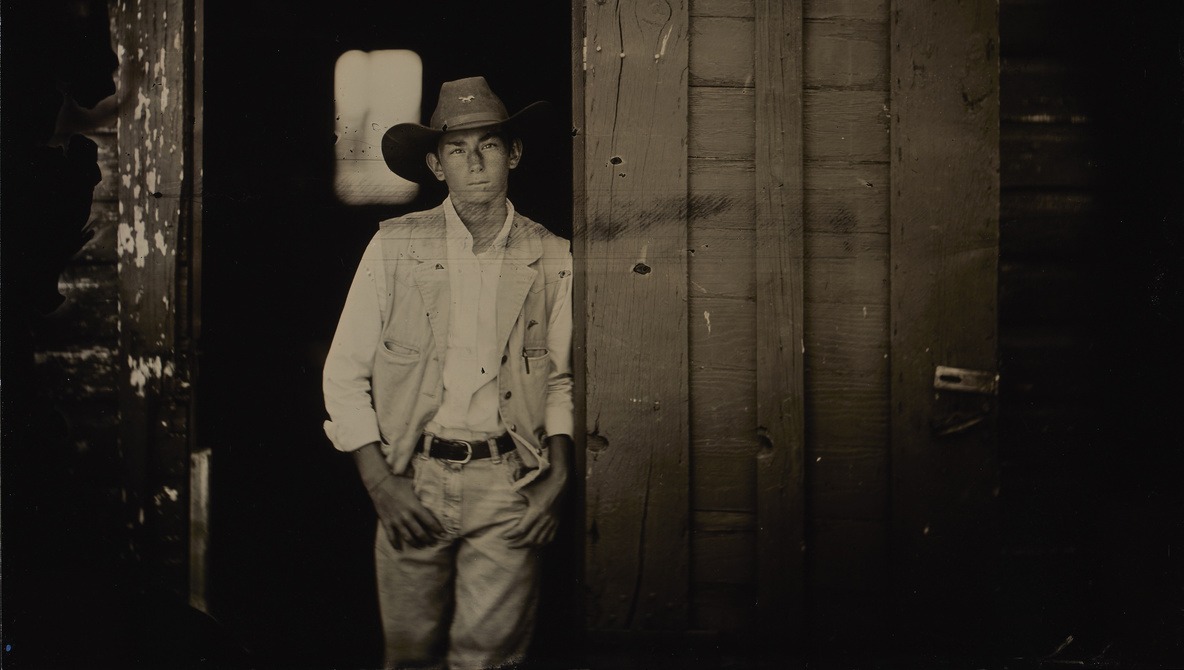
Wet plate collodion is a photographic process that dates back to the mid-1800s. It involves using antiquated equipment and processes, including toxic chemicals and is difficult to master. So, why would a modern-day successful commercial photographer be interested in pursuing this? And what insights could his journey provide?



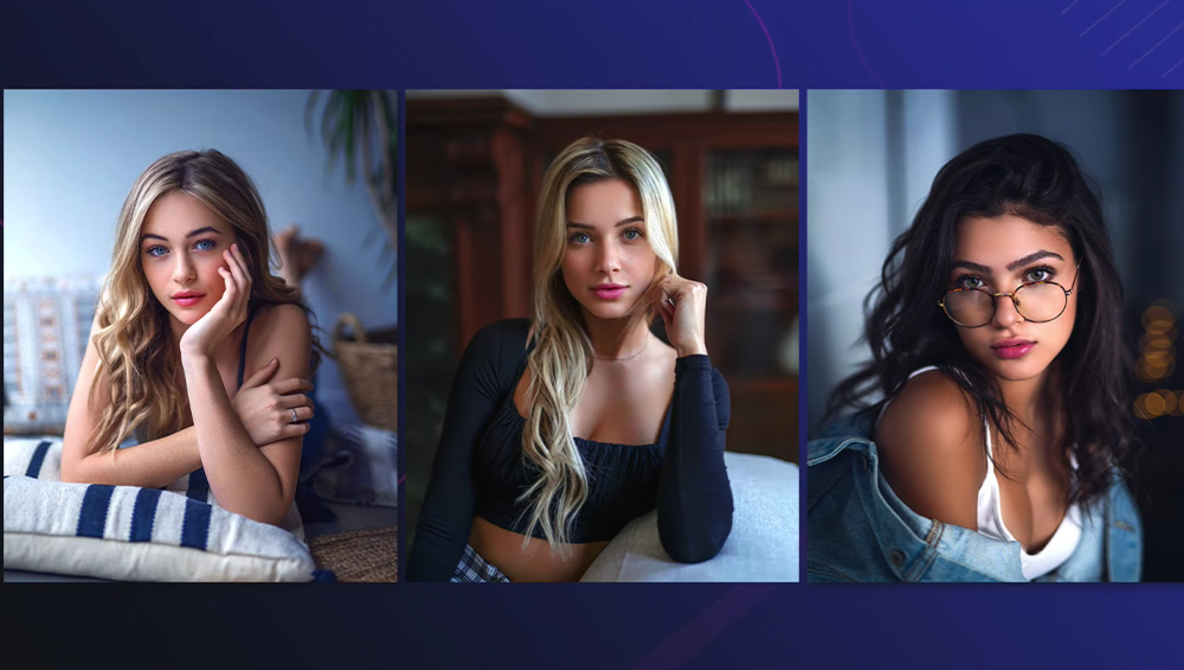
Natural light can be more versatile than you might think, and with a good understanding of how to shape it and orient your subject within it, you can create a wide variety of compelling photos. This helpful video tutorial will show you three different natural light setups you can use for portraits along with some great tips to get the most out of each of them.



A 35mm lens with a wide maximum aperture is useful for a huge range of applications, including portraits, landscapes, astrophotography, events coverage, and more. However, such a lens can easily cost over $2,000. As such, at $799, the Samyang 35mm f/1.4 AF II is quite an intriguing option. This excellent video review takes a look at the lens and the sort of performance and image quality you can expect from it in usage.