
From novelty to must-have, the phone camera has brought serious photography tools to everyday life.




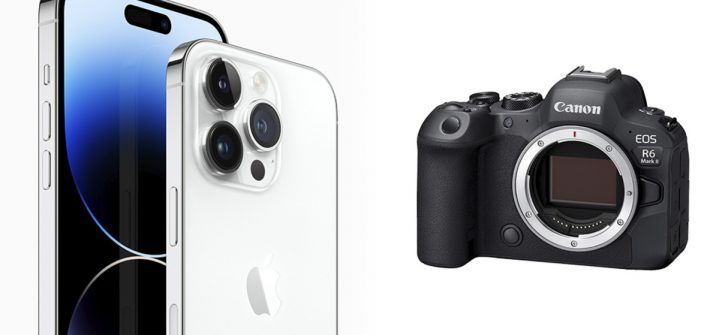
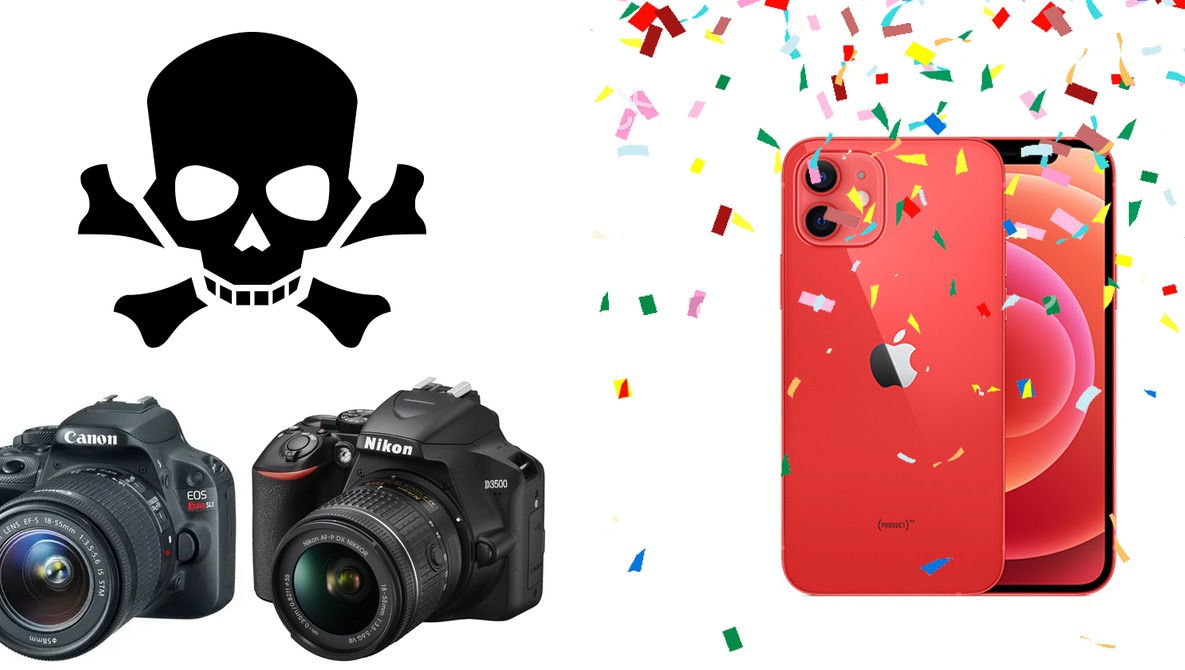
There’s a lot of press about how phones are hanging right in there with “real” cameras. And while sometimes this is true, for the most part, a Canon EOS R5 is still going to be much more capable than a cell phone. It’s just a shame that major camera brands’ marketing departments haven’t figured out how to show that.


The recent addition of an astrophoto time-lapse mode (uncovered by XDA Developers) coming to Google’s camera app on their Pixel line of phones piqued my interest. Not that I think it will replace all of our “real” cameras, but I do have a deep appreciation for the engineering wizardry required to push right up to the physical limits of a tiny sensor and lens. And as an astronomy enthusiast, any developments that might open an appreciation of the night skies to a wider population get me very interested.






How often do you go back and look through old photos, even ones that did not make it into your portfolio? And how often do you really spend time with those photos, not just scanning them? It can be more valuable than you think, not just for your photography, but for your happiness and for finding deeper meaning.




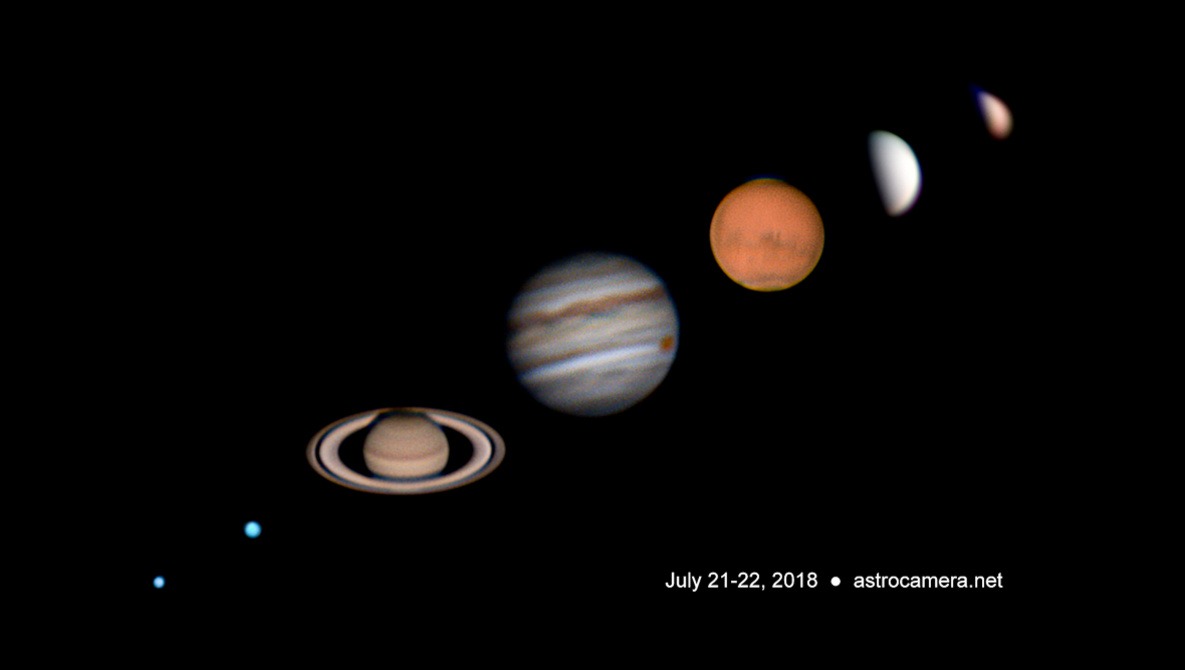
As we transition from summer to fall, two of the most photogenic planets, Jupiter and Saturn, have passed the point of closest approach (opposition) to the Earth for the year. Yet, they still make great targets for planetary astrophotography, especially since they are now high in the sky soon after sunset. As another bonus, photographing these planets does not require traveling to a dark sky site. This kind of astrophotography can be done from our backyards.




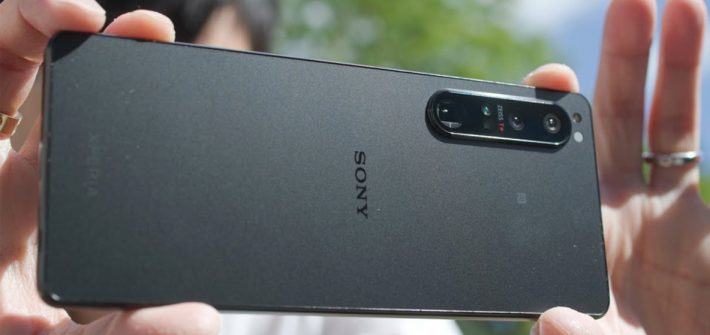
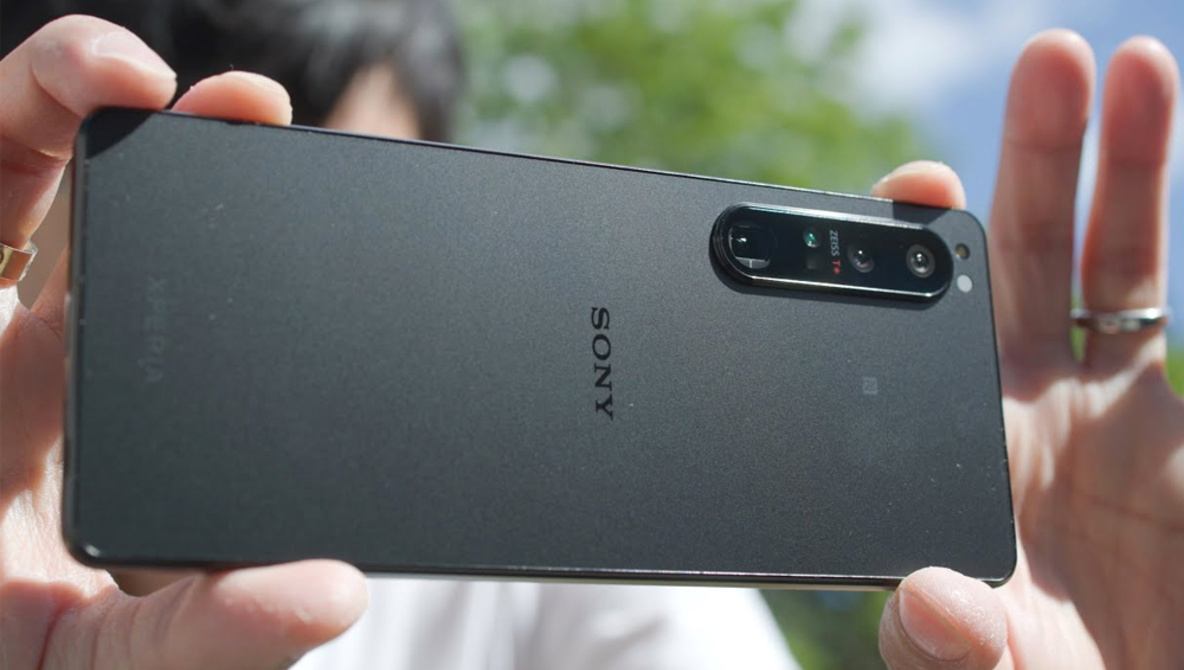
Camera phones have become remarkably advanced in the last few years, especially as we have seen some impressive advancements in computational photography that help to offset the drawbacks of their small sensors. Sony’s new Xperia 1 IV ups the ante even more by being the first phone with an optical zoom, and this great video review takes a look at the sort of performance and image quality you can expect from it.