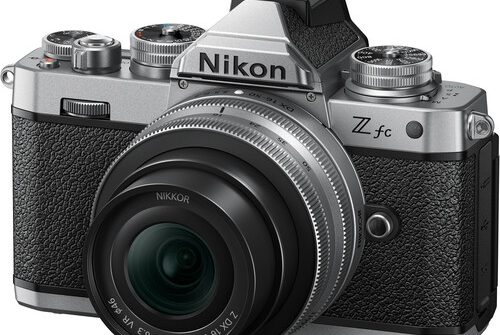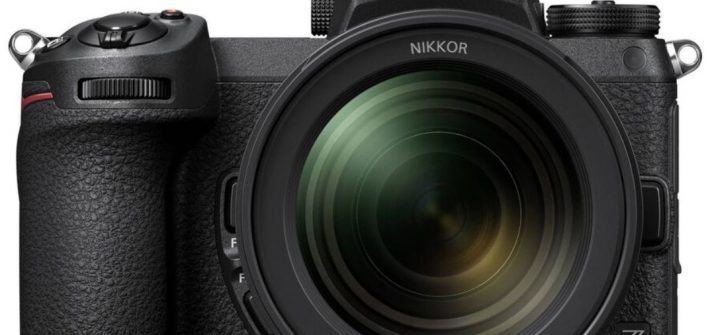

Another day, another dollar. In Nikon’s case, it wishes it had a whole load more dollars, as its annual financial report shows significant losses. So, is it making progress to get itself back on a level footing with Canon and Sony?




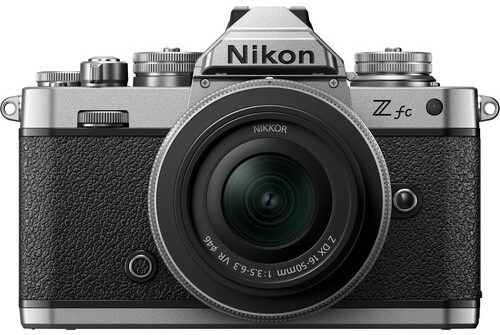

Nikkei recent published a synopsis of Techno System Research’s Market Share Survey for 2020, a detailed paywalled survey of camera shipment data from major manufacturers. The headline is a 5.0% drop for Nikon, decreasing its total market share. This isn’t great news for Nikon, but is it all it seems?




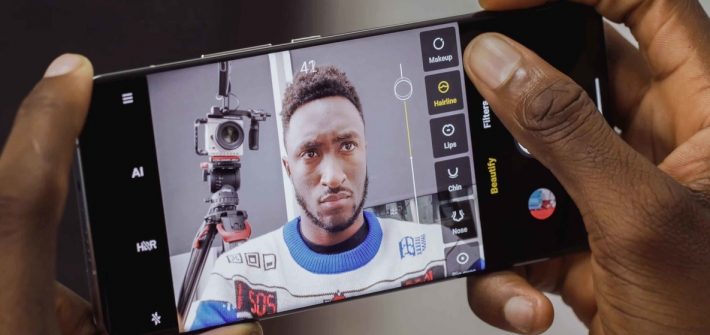
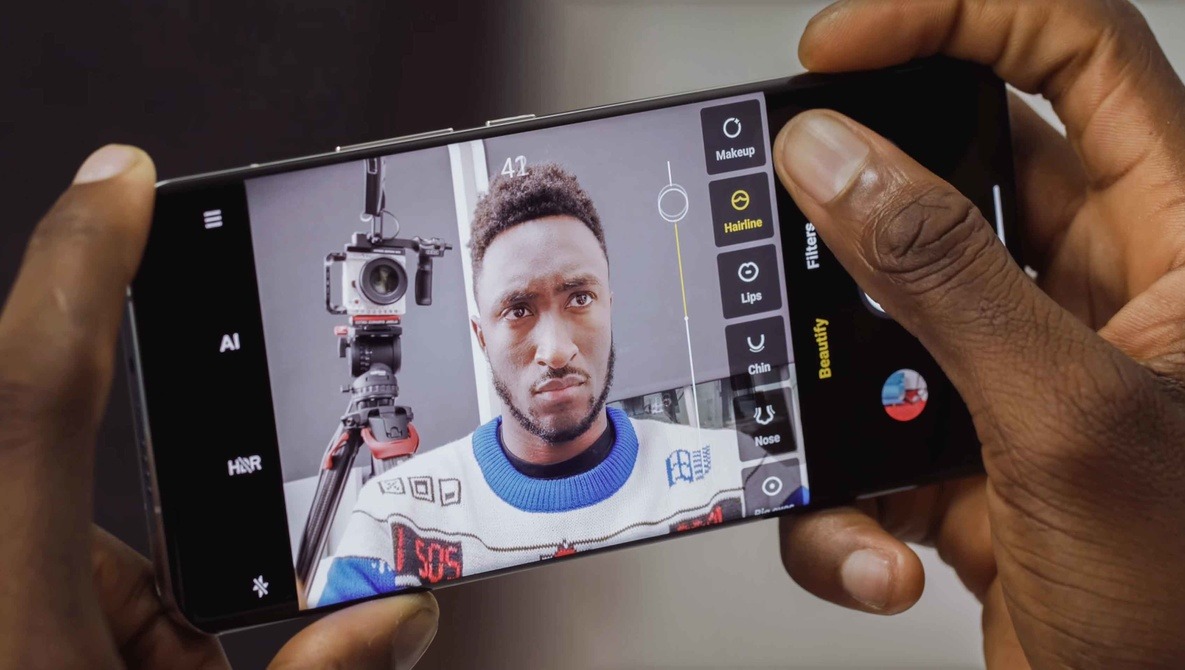
Smartphone cameras and AI technology can produce beautiful results. Many of them can intelligently boost colors in an image, blur out a background to mimic larger optics, or even change how you look. The question is: how far is too far with smartphones and AI manipulation of images?





Some lenses are naturally exciting, the sort that inspire and excite you to go out and create images. Others are more pragmatic workhorses, and it can be easy to be tricked into thinking you can get away without them, especially when you have something like a bokeh monster in your bag. This interesting video examines one photographer’s journey away from and back to an uninspiring but highly useful lens.





My first camera was a Minolta SRT-101. I loved that camera. It was an excellent tool for learning about photography and manual exposure. As it was completely manual in operation, the internal meter was my only guide for achieving correct exposure, outside of using an external source or just guessing. Fast forward 20-plus years and the way I use an internal light meter has remained largely unchanged. That all changed recently.