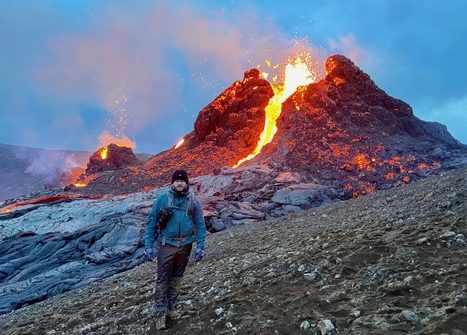
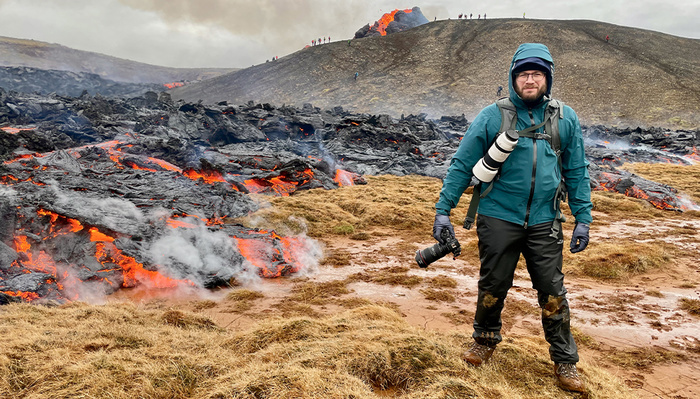
While many of us are still experiencing travel blues as we’re confined to our local areas, an Iceland-based photographer experienced a trip of a lifetime as he got to document a volcanic eruption occurring right in front of him.




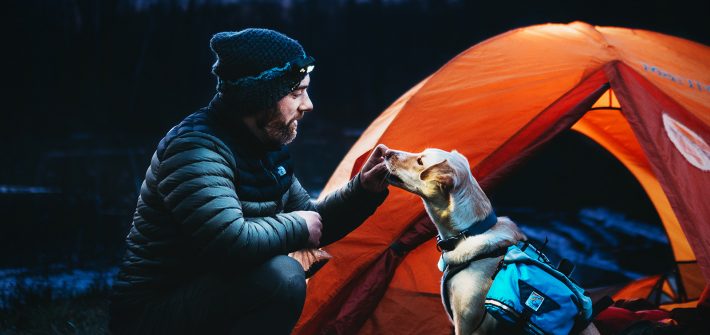
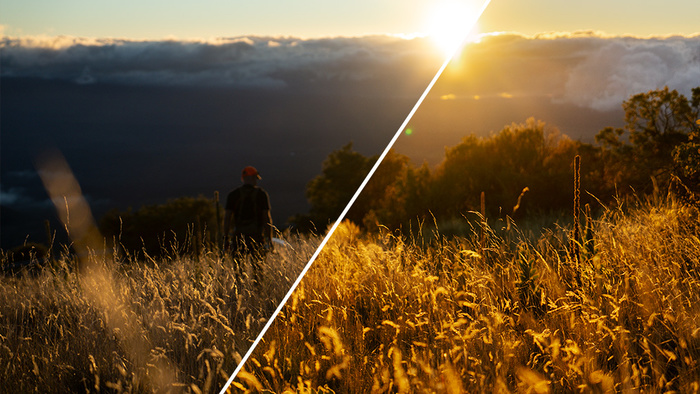
Image manipulation in various forms has been around from nearly the beginning of the medium itself, and the ethics of that process have been debated for nearly as long. Although this topic seems rather Sisyphean in nature, a conversation with an individual on Instagram inspired me to take a look at it from the perspective of social media in particular.




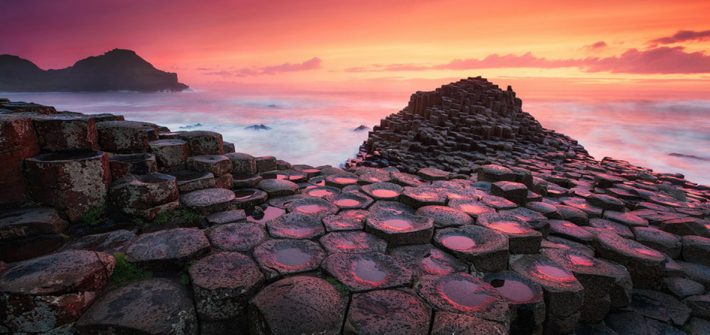
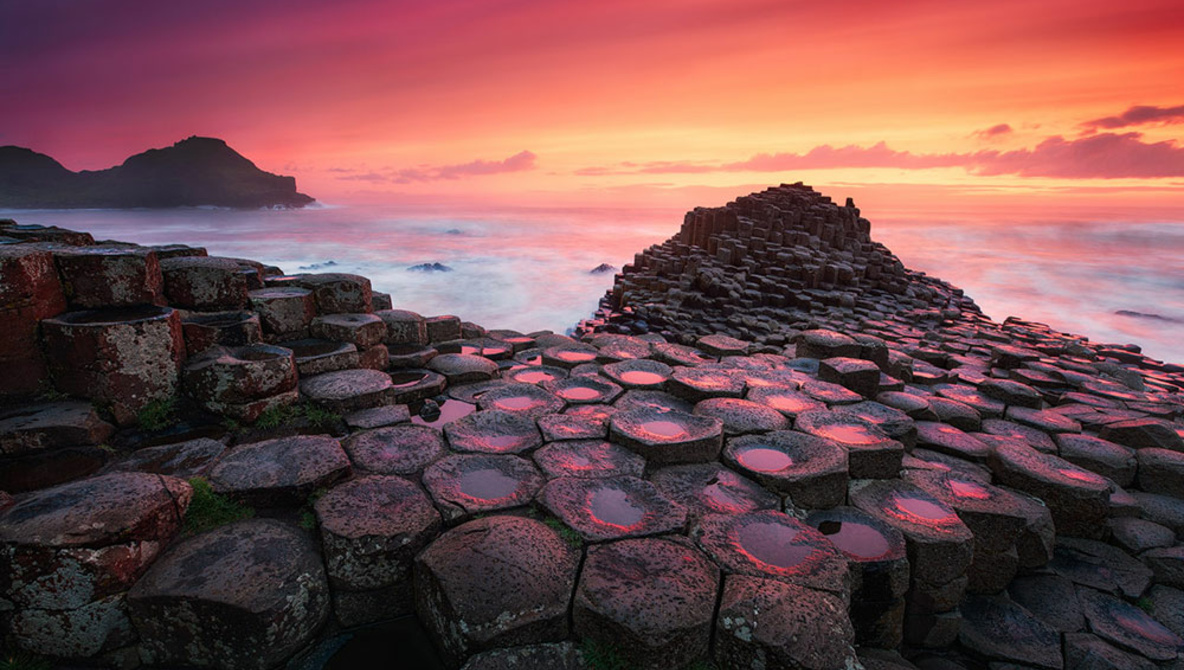
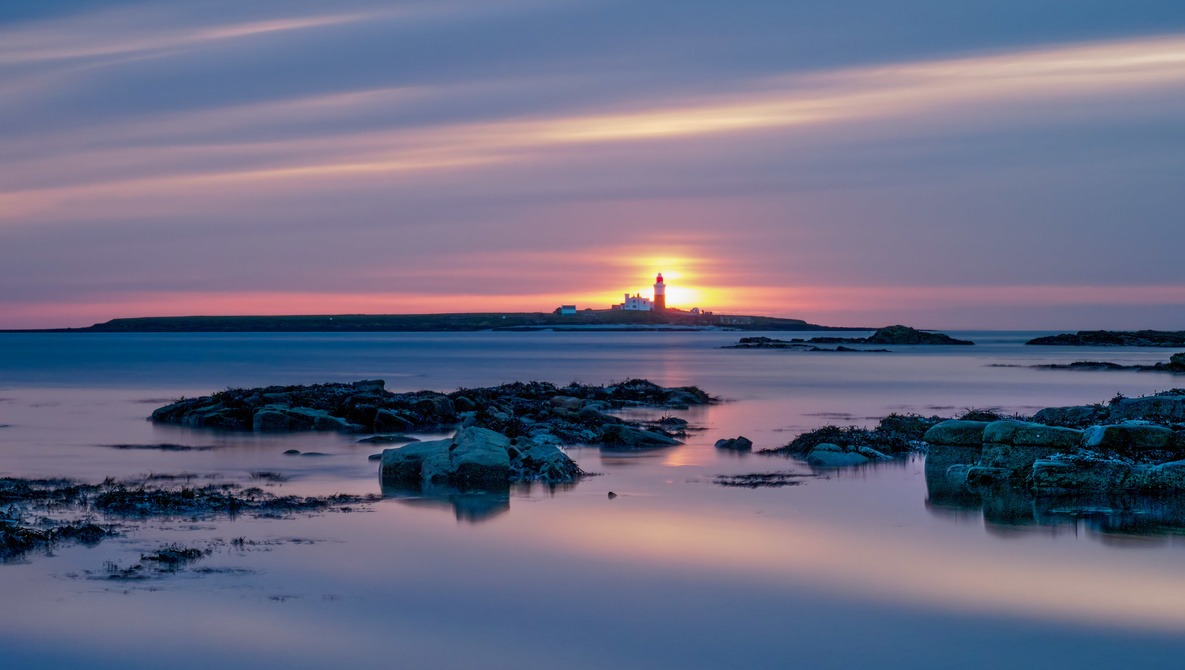
Landscape photography can become frustrating if you get too focused on results and constantly compare yourself to other photographers. While browsing the web and visiting social media sites, you see countless photos of spectacular sunrises and sunsets. But getting truly awesome conditions is rare, even for those who are pros at planning. Let me share what the reality looks like.
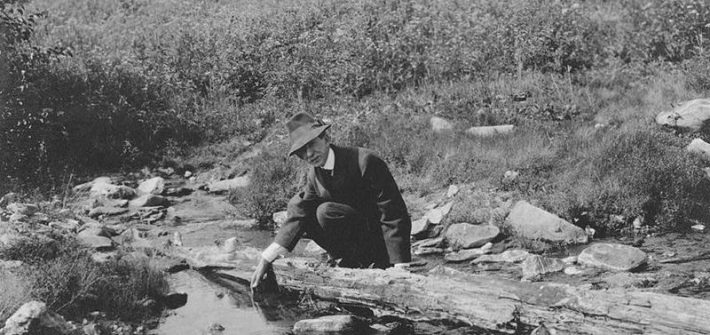
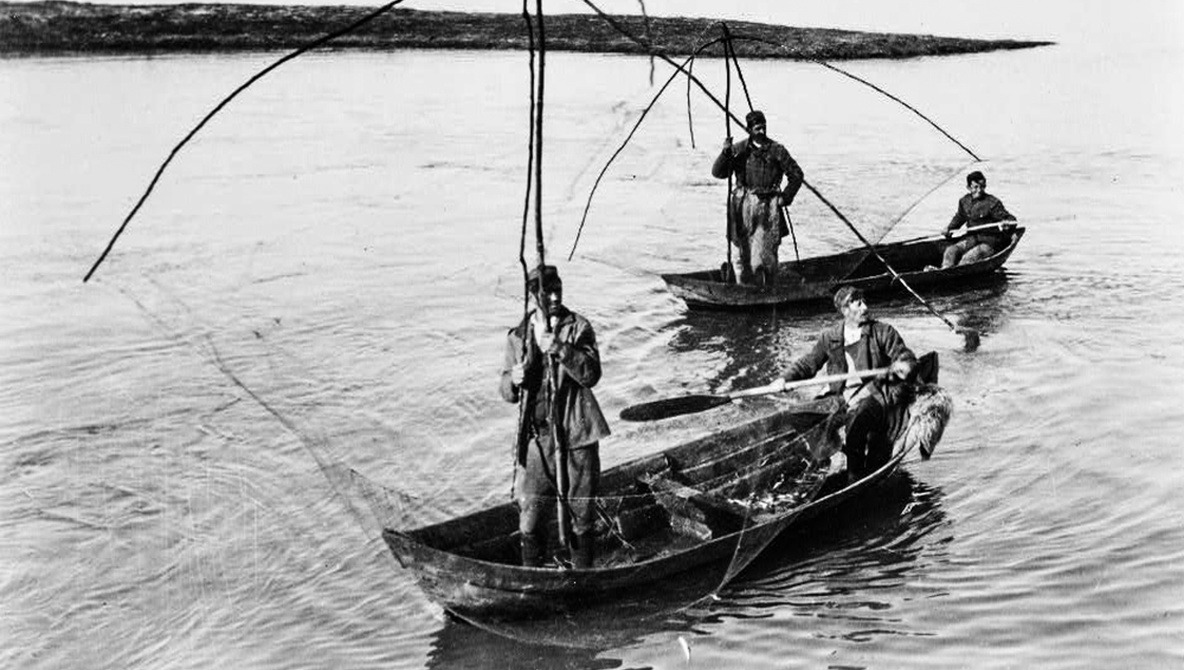
You take photos, you write books, you’re published in weekly and monthly newspapers and magazines, and travel the world with the sole purpose of… traveling. You sound like one of the early social media influencers of the 2010s who was “living the dream,” constantly on the road, distributing a drip of photos and articles to the travel-enthused general public. However, it’s 1888, and your name is Frank Carpenter.




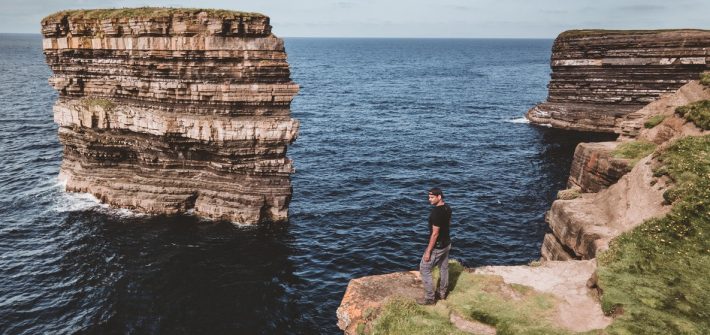
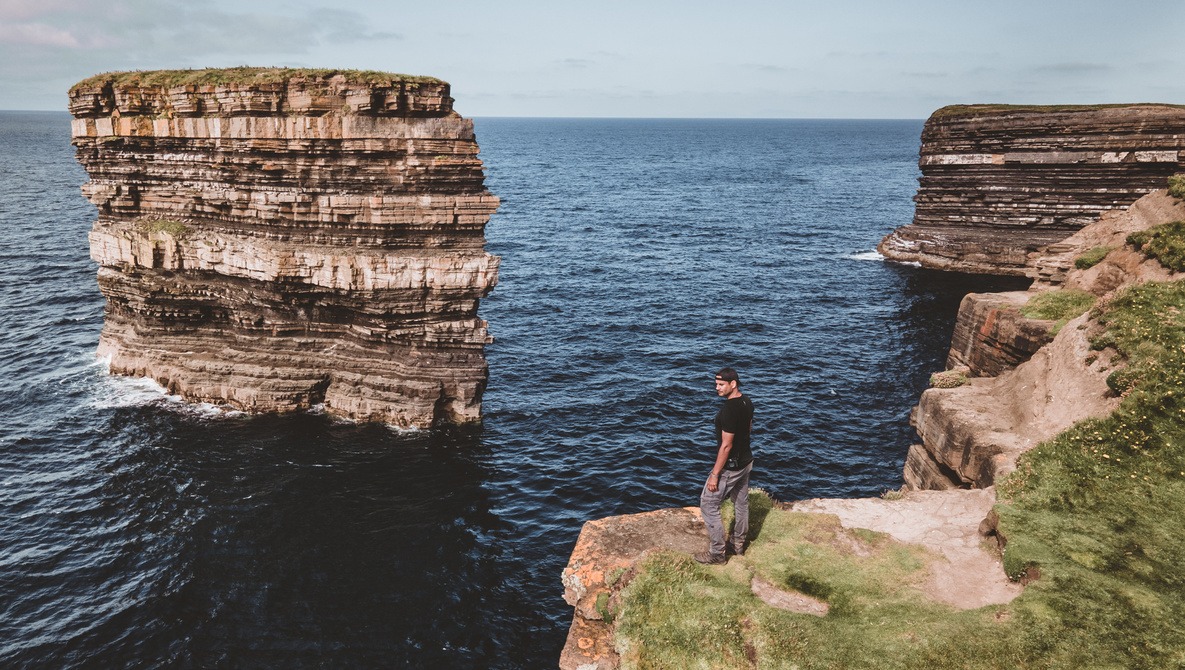
At the start of March 2020, I found myself at a photography convention in Cape Town, South Africa, to present a workshop on travel photography. The central theme of my presentation was the notion that it isn’t necessary to travel to be a successful travel photographer. Little did I know that within a couple of weeks of that presentation, I would be putting my advice into practice as the borders of the world slammed shut virtually overnight.