It’s a relatable but unusual title for an article. However, I’m sure you might have an idea of which direction this is going to go: photography as therapy.




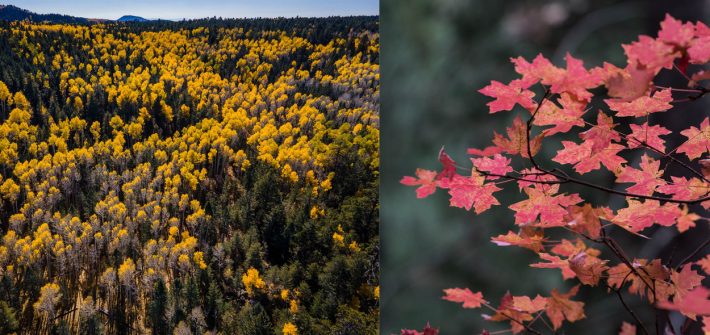
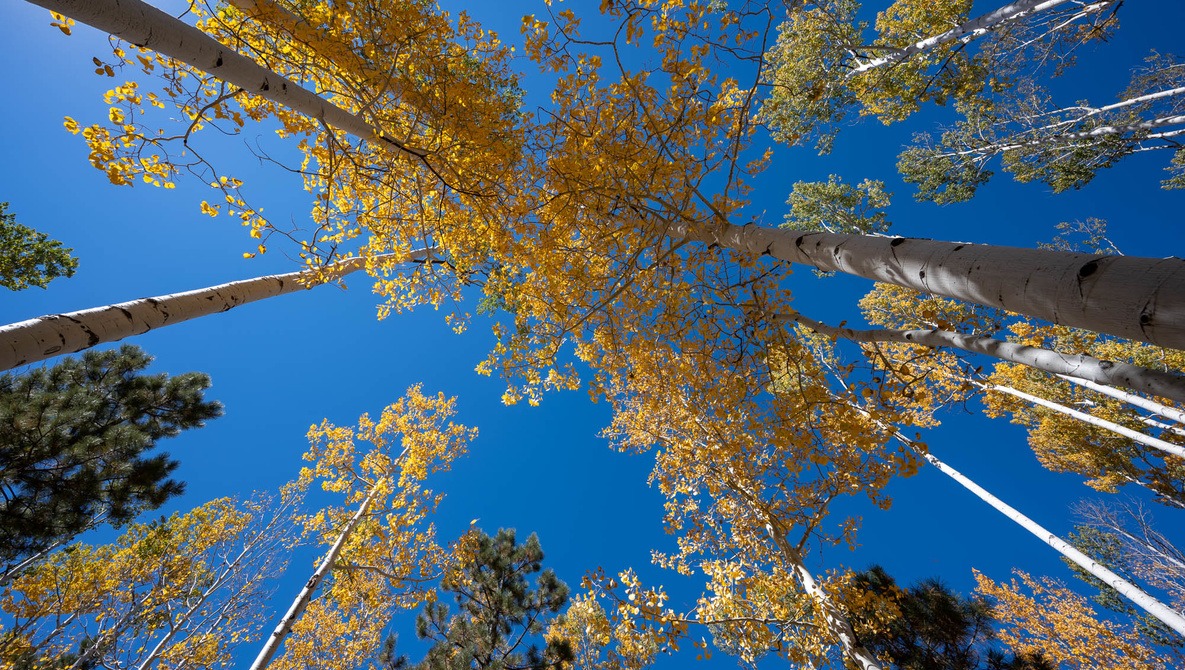
The season of red, orange, and yellow leaves is just about here. Whether you’ve already gone out and taken some photos or are just about to, it can be really helpful to keep a few key concepts in mind. In this guide, we’ll be taking a look at what to do when you’re behind the camera, as well as in front of the monitor editing those shots.




Being a photographer, whether a hobbyist or professional, is a complex endeavor in today’s world, and it can be easy to be sidetracked by a wide range of issues or red herrings. If you sometimes find yourself struggling with that, check out this important video that is a useful reminder of what matters in photography and what the real nature of progress is.
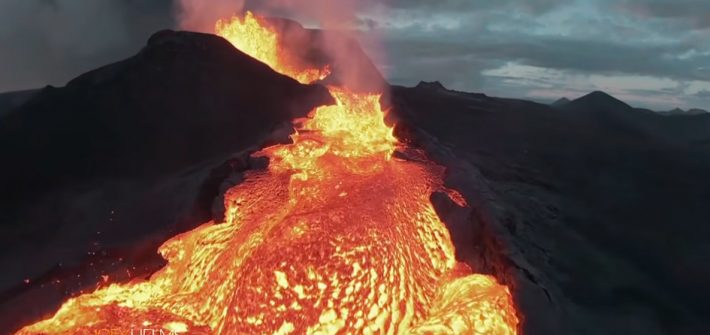
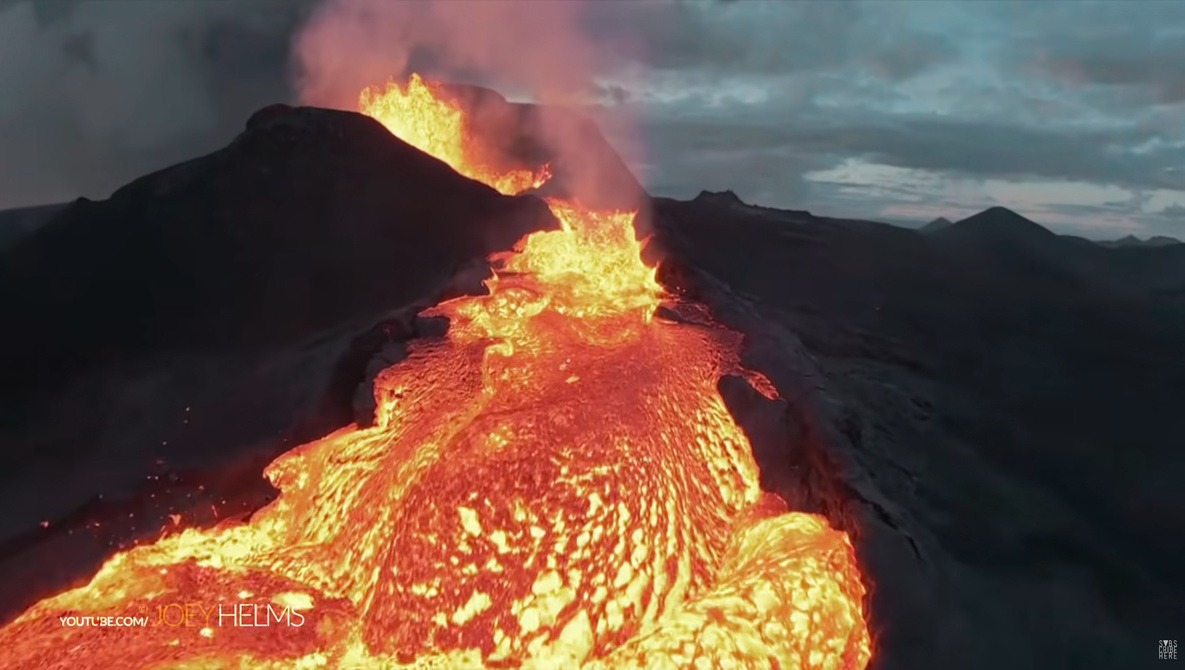
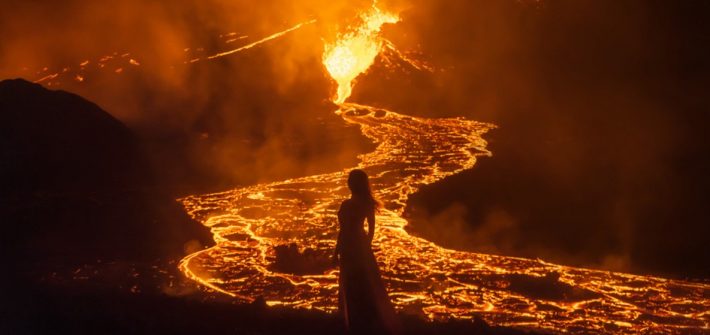
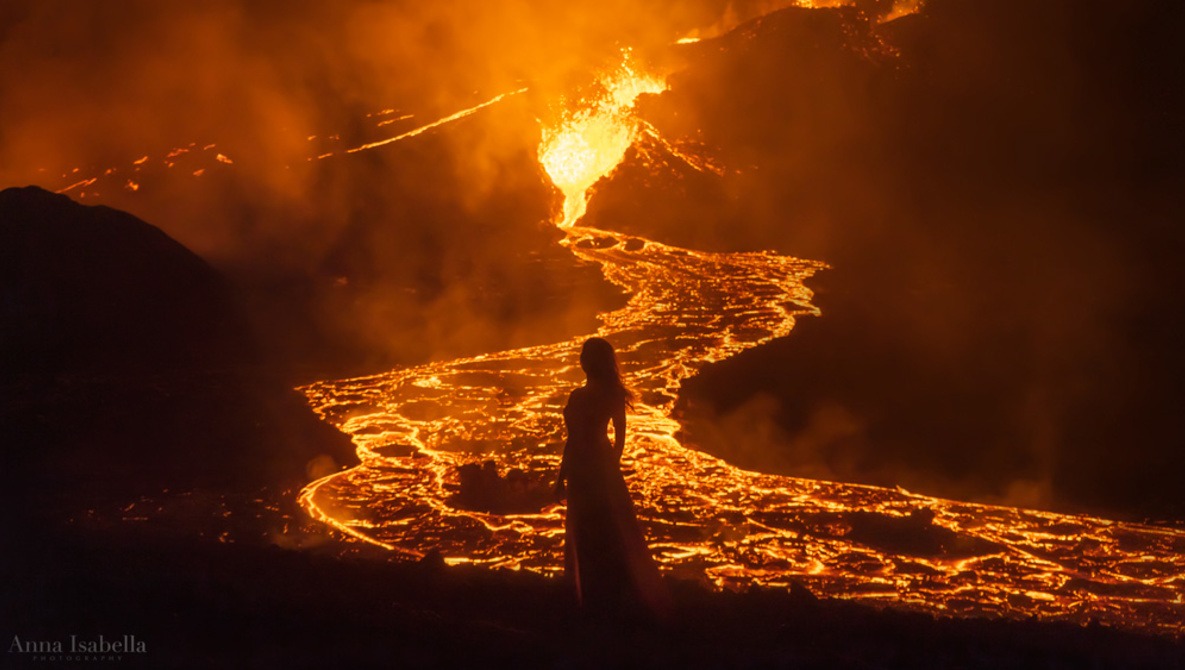
There are few videos I have clicked on faster than a drone filming itself crashing into a volcano in Iceland. This video shows a DJI first-person view drone as it records the rivers of lava flowing out of Fagradalsfjall before plummeting into a fiery death, all in glorious 4K.




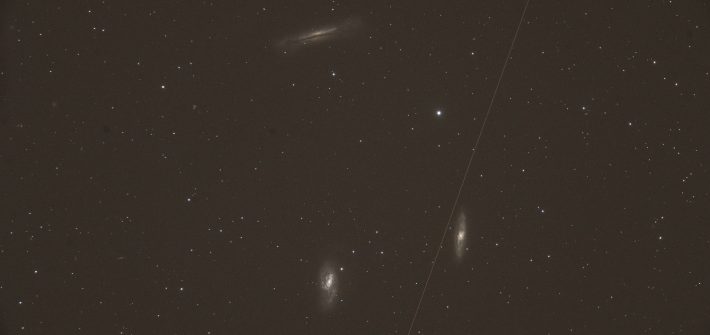
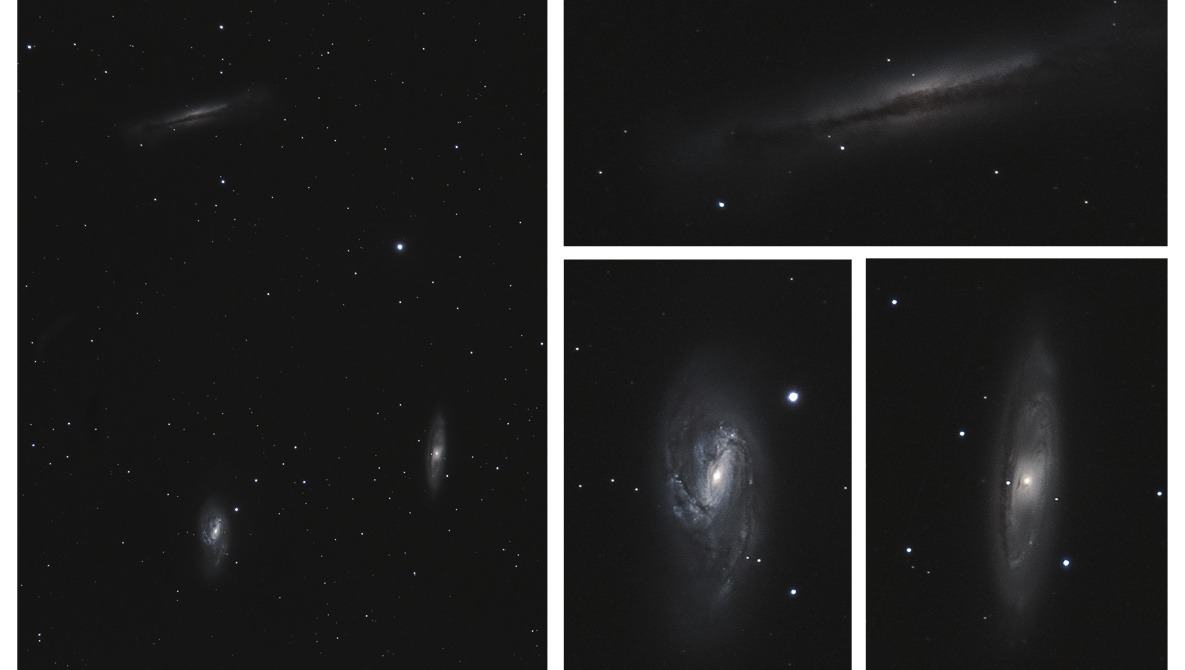
If you’ve viewed deep-sky astrophotos (not landscape astrophotos), you may have noticed that extremely long exposures (not counting mosaics) are used. In extreme cases, exposures may run over 12 hours. Unless you have a space telescope, it should be obvious that multiple exposures have been used.




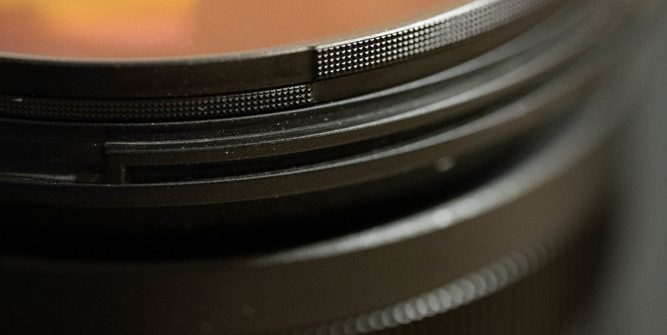
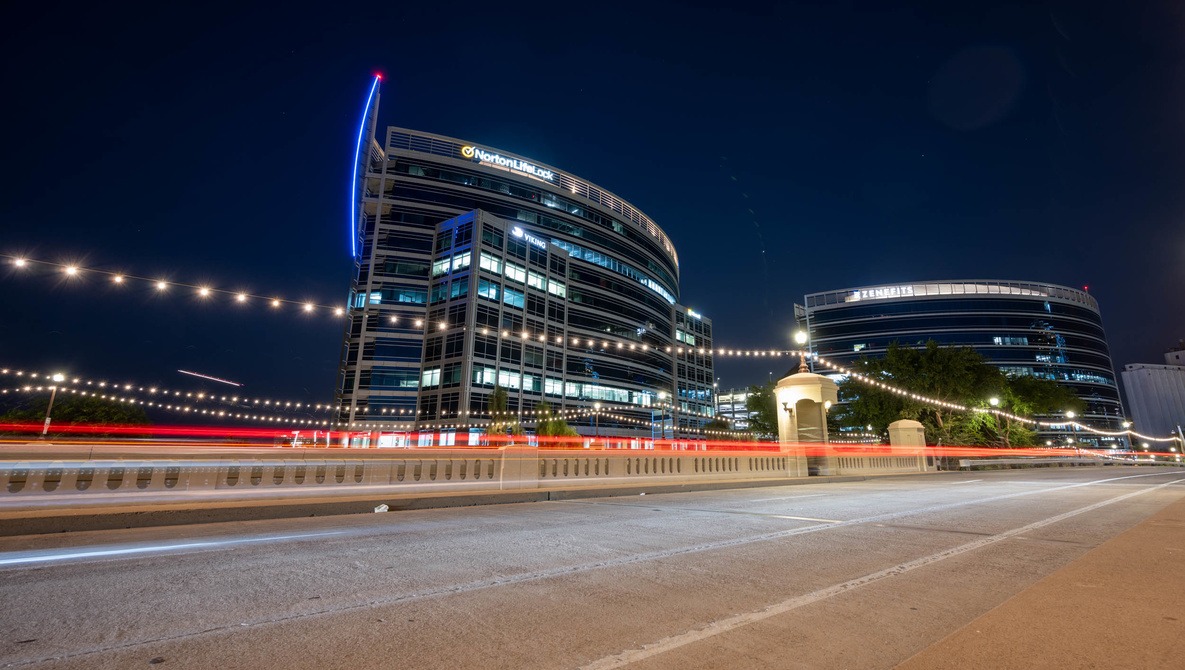
While there are dozens of options for filters, covering different effects, sizes, and manufacturers, I’ve found that I only need a few key filters for a landscape shoot. I like to use neutral density filters and circular polarizers, both of which are impactful and less easy to replicate in software. Haida’s NanoPro line has delivered great results in my past experience — can their magnetic filter line deliver the same quality?