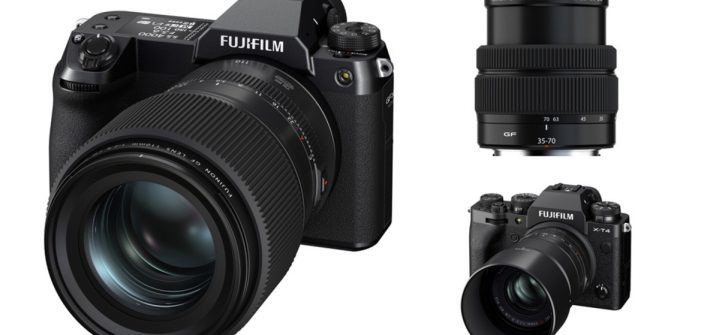
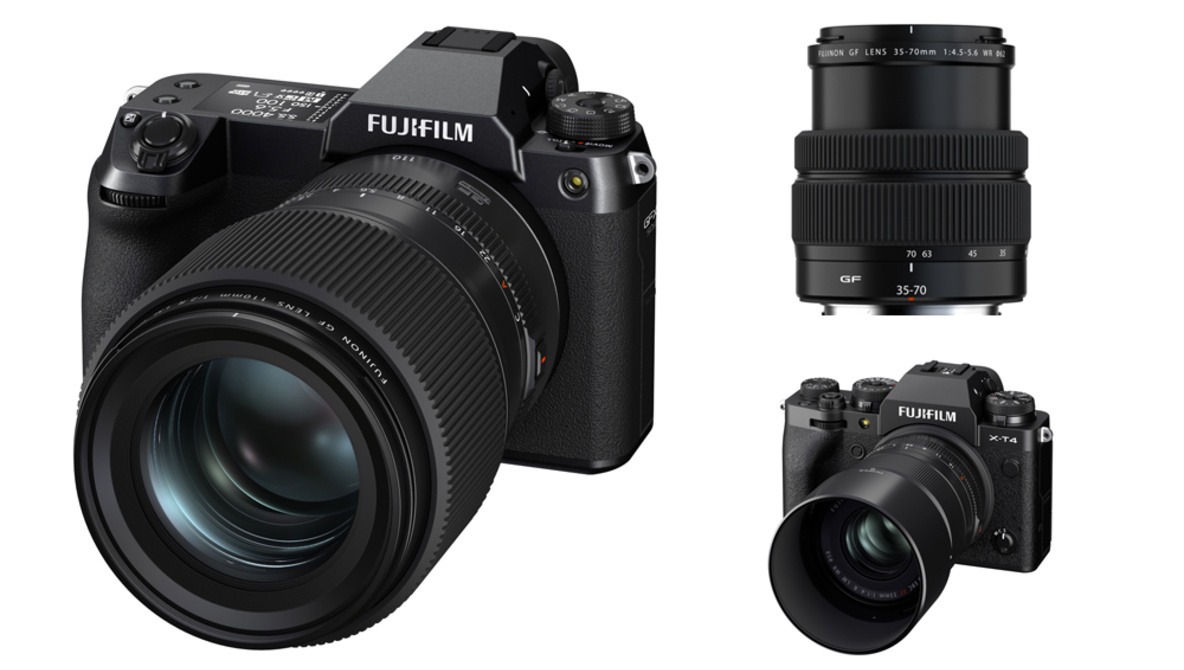
It’s a good day to be a Fujifilm photographer. The company has announced multiple new cameras and lenses for both the GFX medium format series and popular X series. Check out what they have in store.




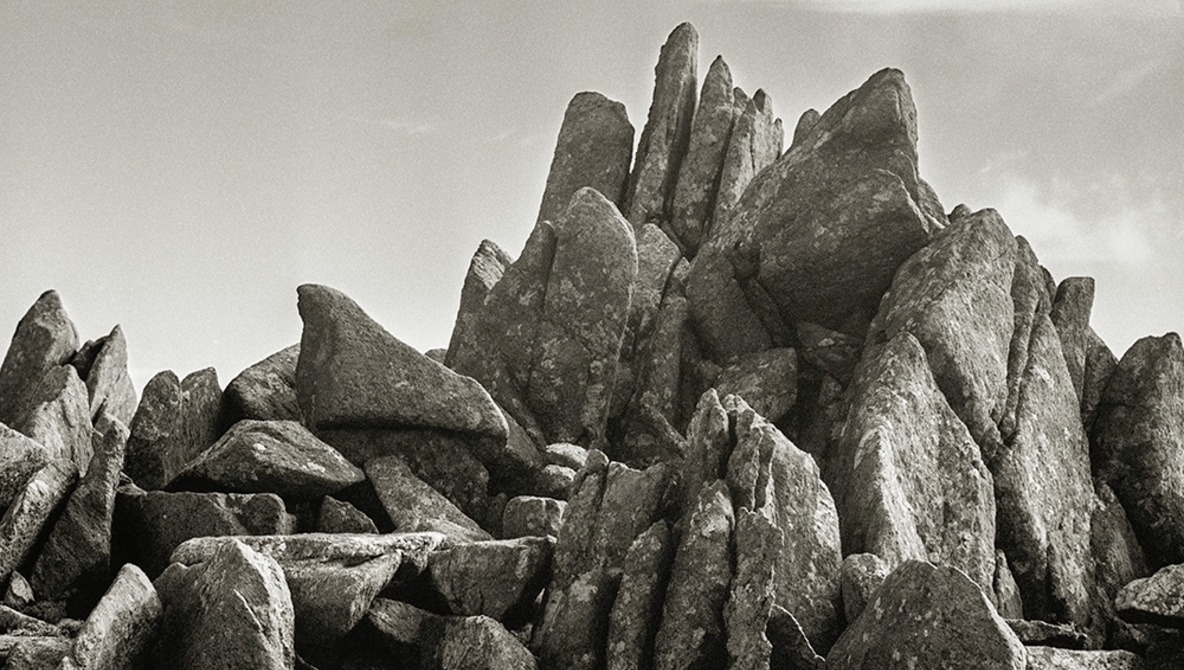
There are essentially three types of modern cameras: DSLRs, mirrorless bodies, and rangefinders. There are a few other formats that mostly fell by the wayside, however, as time marched on, such as the zone focus camera and the TLR. This neat video takes a look at using a TLR, including its unique experience and images.



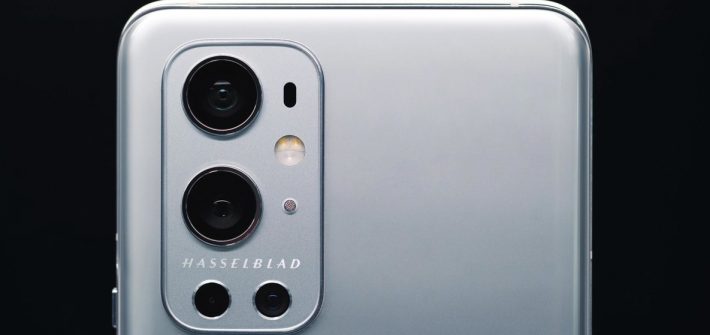
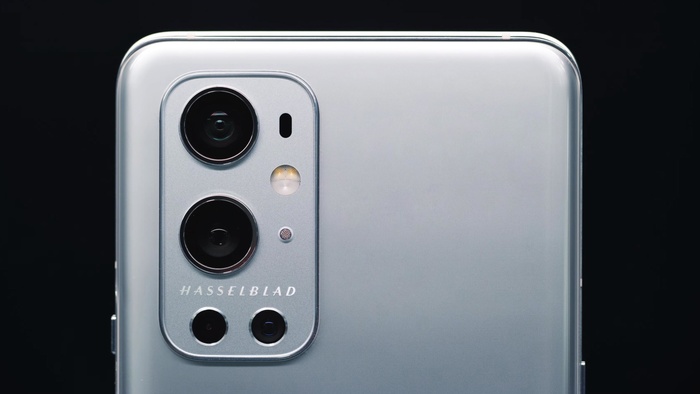
Hasselblad is known for producing medium format cameras such as the Hasselblad X1D II. These cameras produce stunning results and operate with sensors that are larger than those found in full-frame and APS-C bodies. So, what is Hasselblad doing co-developing smartphone cameras and are they any good?




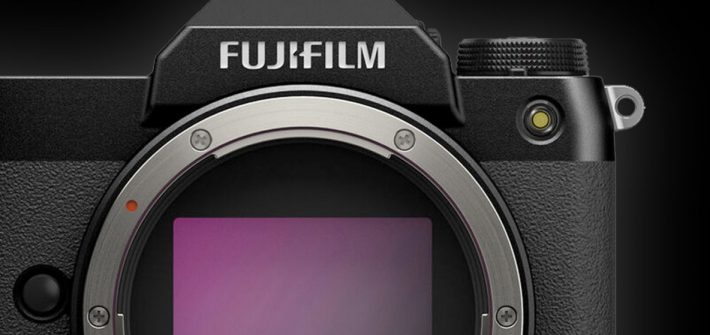
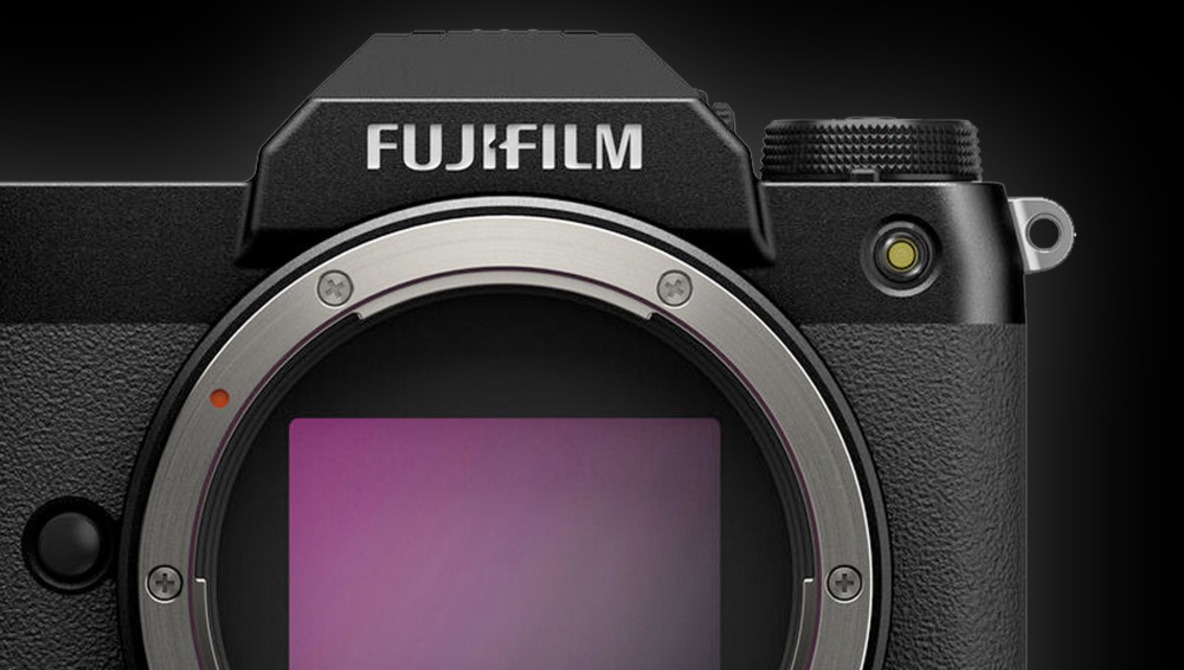
Fujifilm’s new GFX 50S II is the company’s most affordable medium format camera, but does the performance make it a worthwhile purchase when there are full frame cameras available with similar resolutions? This review seeks to find out.






Perhaps no camera series has created a larger paradigm shift in the industry in the last decade than the Fujifilm’s GFX series, which brought medium format prices into direct competition with the upper levels of full frame and modernized many of its capabilities at the same time. The GFX 100S is one of the most impressive options in the line, and this great video review discusses one photographer’s thoughts after eight months with the camera.



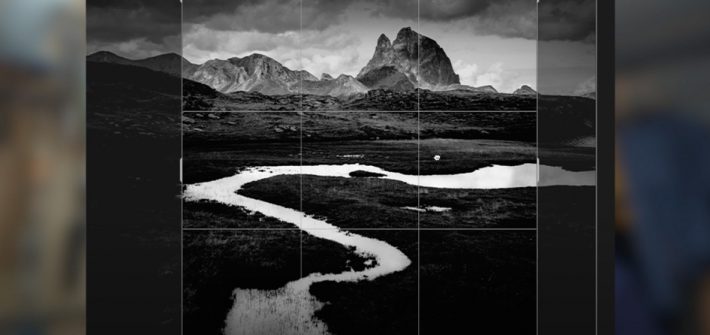
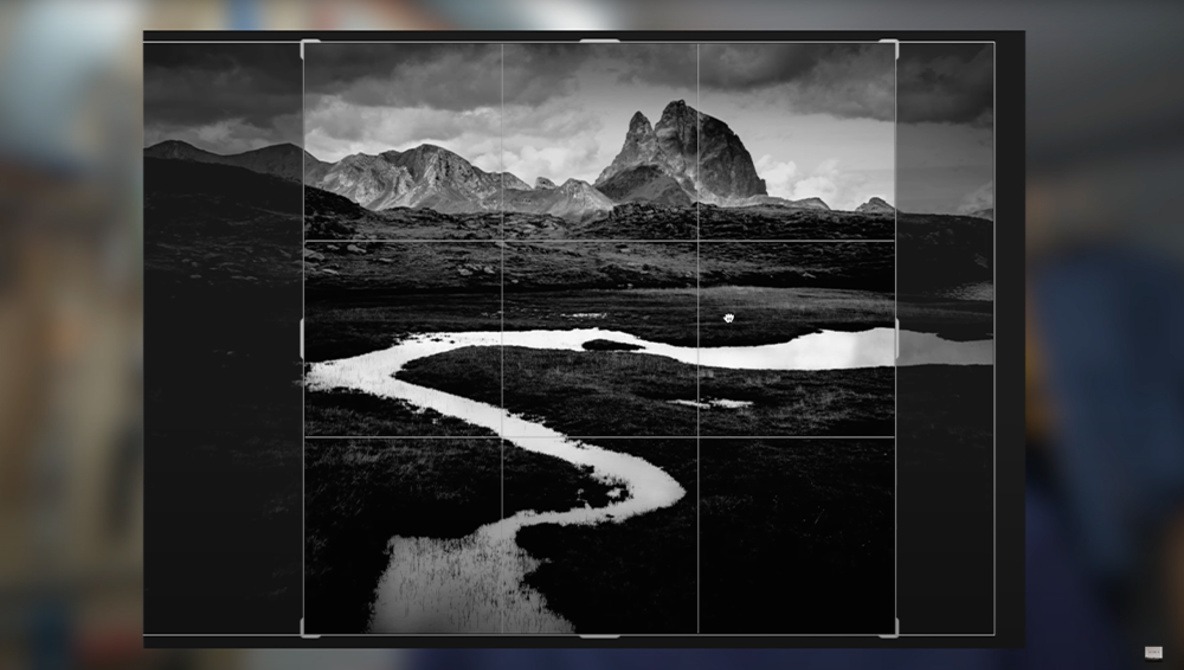
In the days of film, the square format used to be more popular, particularly since 6×6 medium format cameras were around. Nowadays, no digital camera has a native 1:1 aspect ratio, and as such, the square format has fallen out of popularity quite a bit. That being said, it is a tremendously interesting and different way to compose and digest images, and this helpful video tutorial will give you some useful advice on creating interesting photos using it.