I am a photographer but I often forget to shoot. Isn’t that a ridiculous thing to say? I must admit, it’s my reality more often than I’d like to admit.




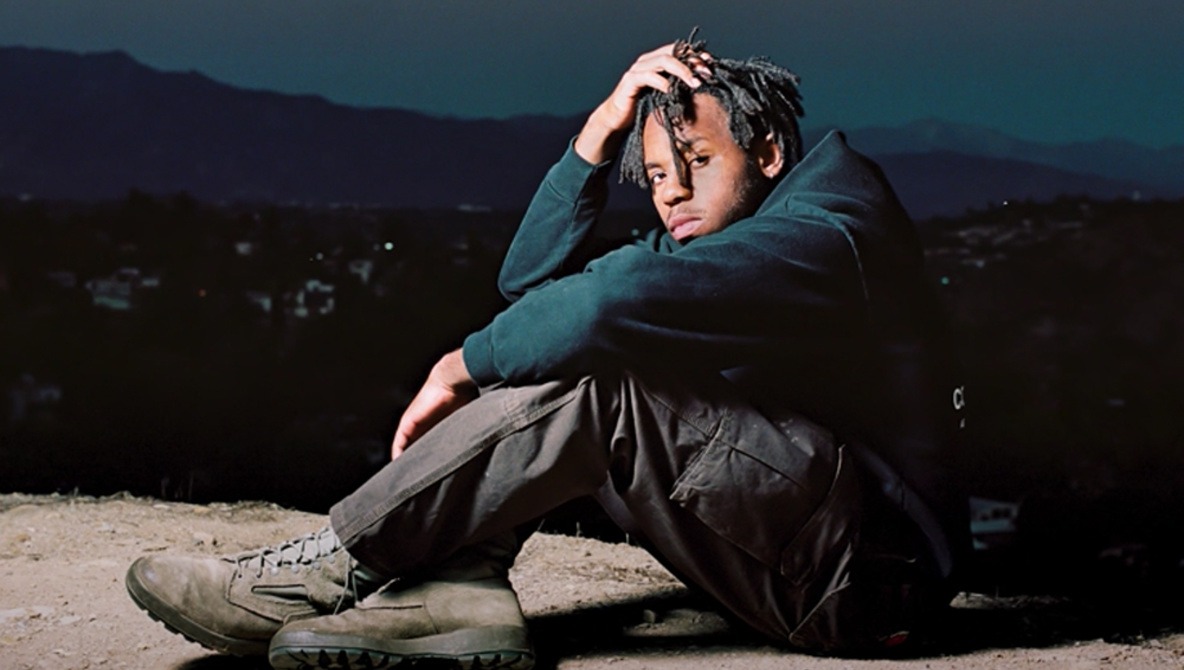
Of course, flash photography existed long before the transition to digital. However, most modern film photography is shot in natural light, whether out of an aesthetic desire or because working with flash and film is a bit of a lost art. Nonetheless, just like digital, flash can open up a lot of creative possibilities, and this excellent video tutorial will show you a modern approach to doing so.



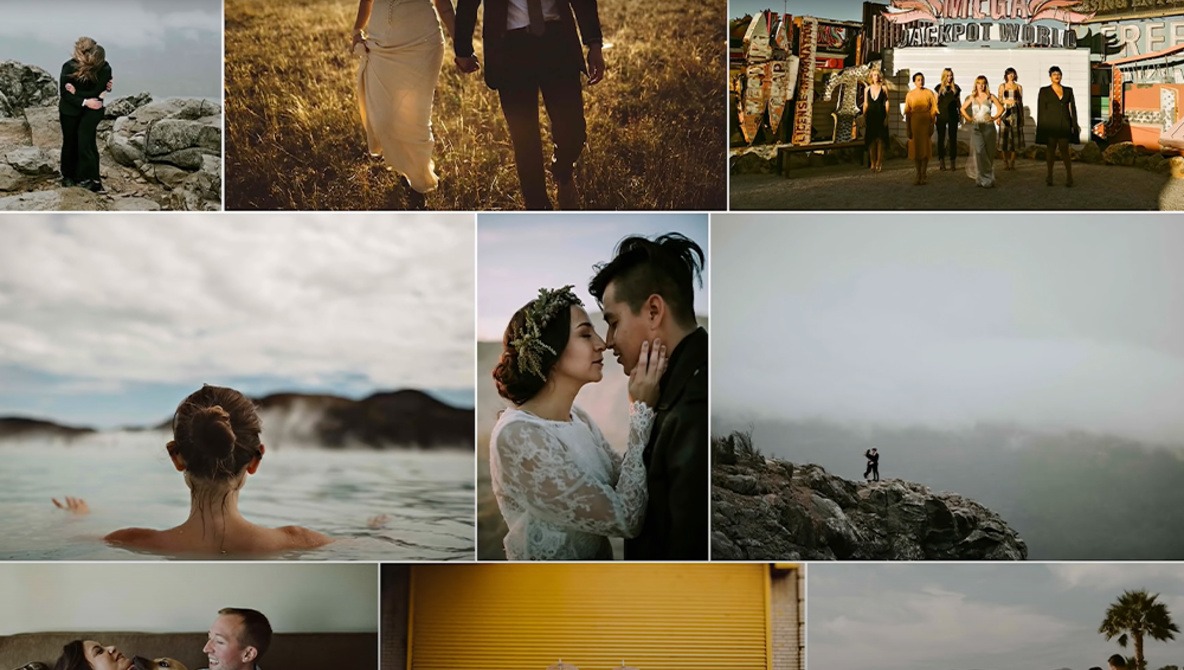
It takes a lot of hard work to become proficient enough with a camera, lighting, and post-processing that you can consistently produce compelling, high-quality images, but translating that to a thriving business is another skill entirely. If you are ready to start bringing in money for your photography skills but are unsure where to start, check out this great video tutorial that will give you some steps in the right direction.



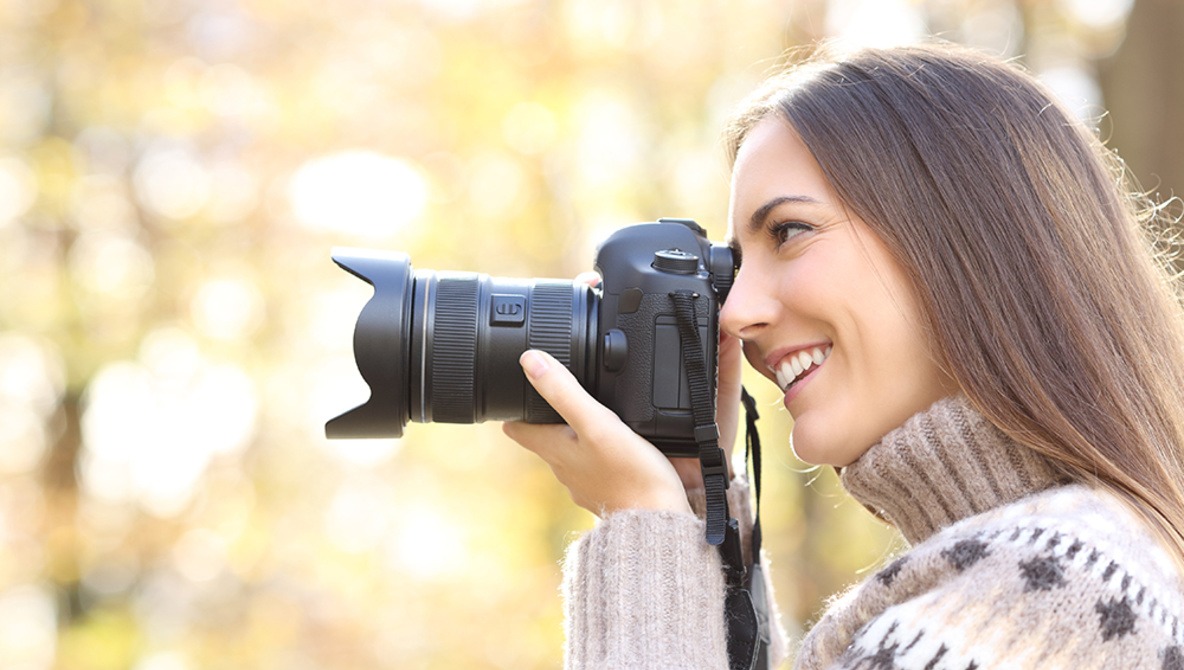
You can have all the camera technique, lighting ability, and post-processing savvy, but if you are not able to connect with your portrait subjects, you are going to have immense difficulties creating compelling photos. If that is something you struggle with, check out this fantastic video that features a seasoned portrait photographer discussing how to better connect with your subjects.



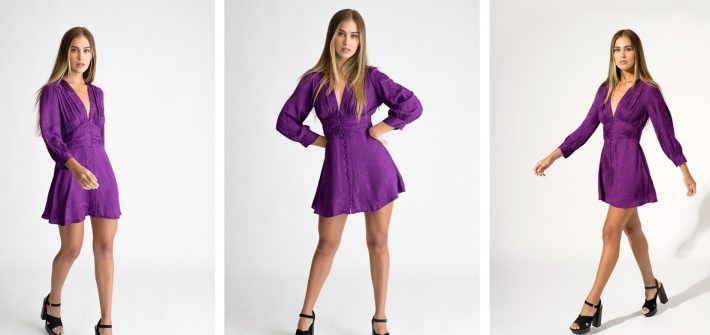
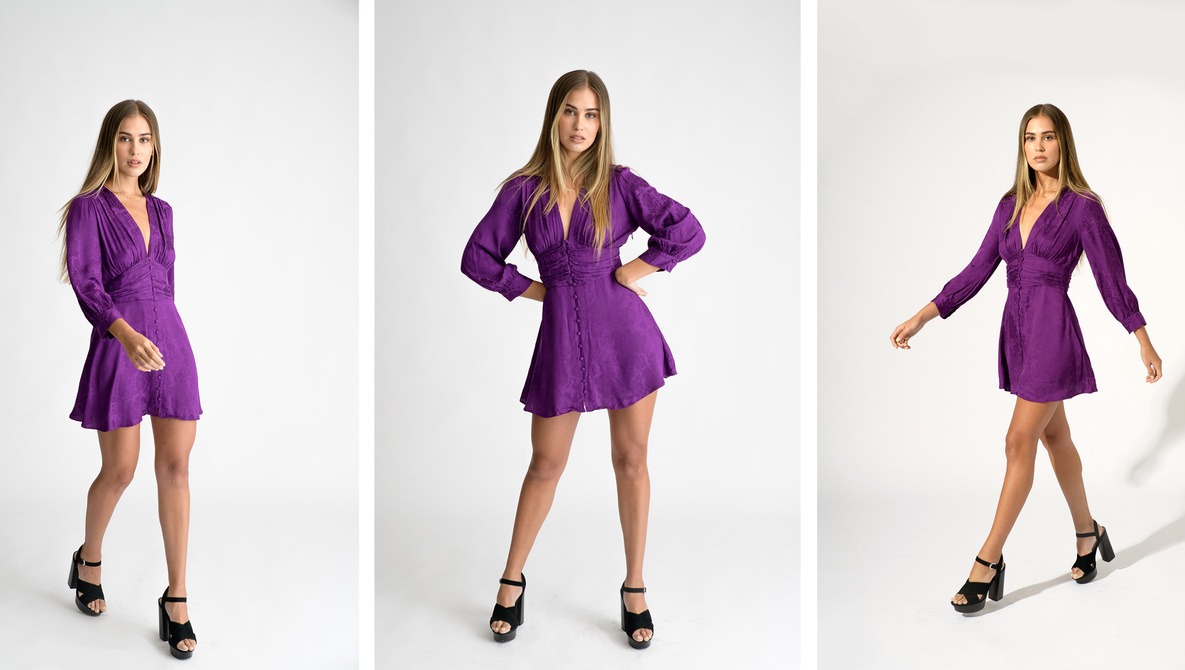
Chris Fain of Profoto’s Geared Up has asked yours truly to share a few lighting setups I use often in the studio. Today, May 3rd at 11am EST, you can log into the live show and ask me all your favorite lighting questions!



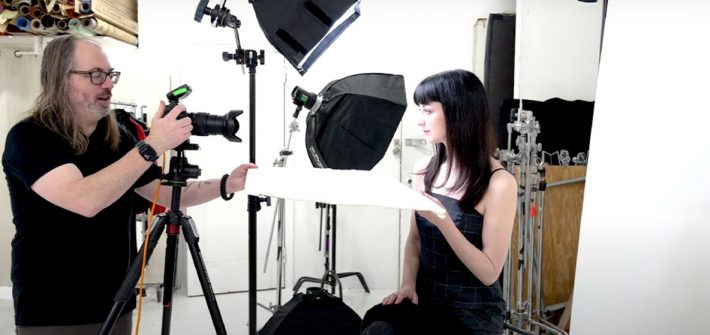
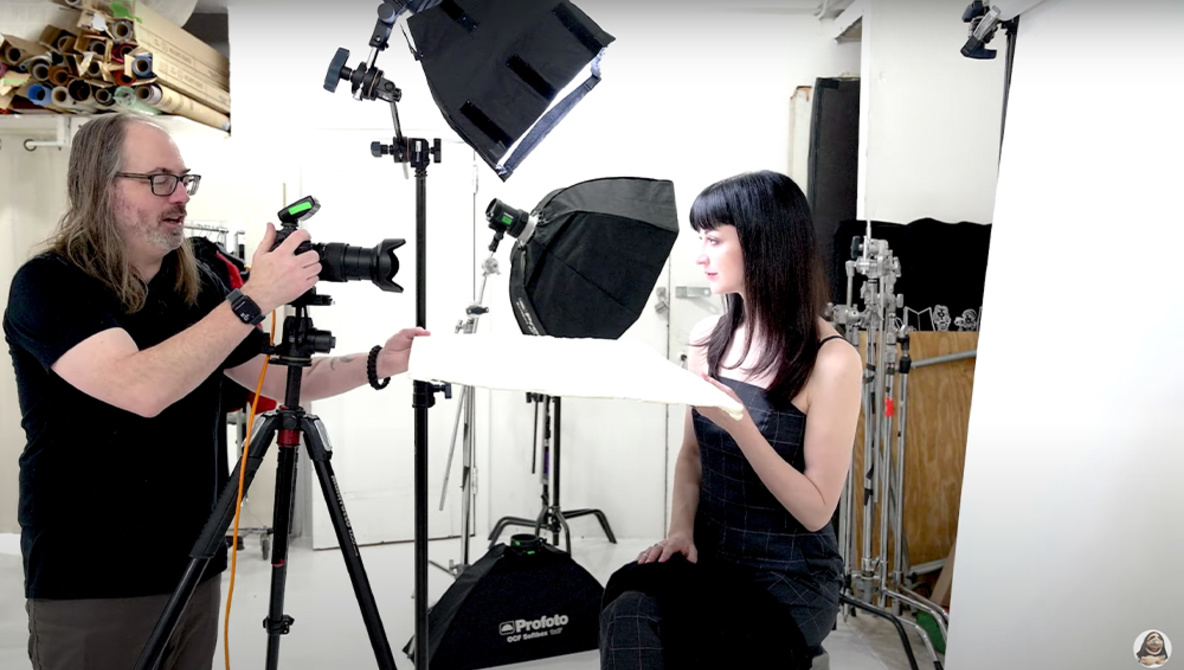
A reflector is one of the cheapest and most effective tools for shaping lighting for portraiture, and it can easily replace the need for another light in a lot of scenarios. If you have not been taking full advantage of your reflector or you are new to working with lighting, check out this helpful video tutorial that will show you how to use one for portraiture work.



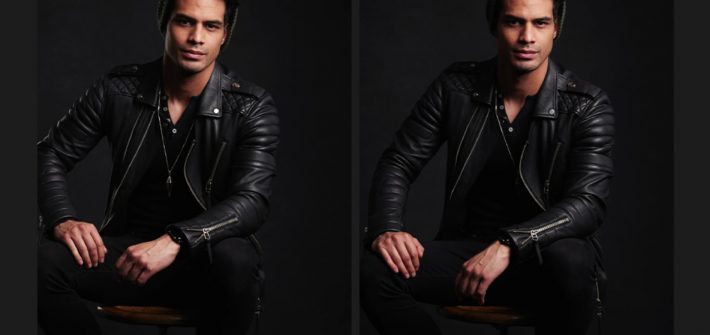

While you can absolutely create professional-level portraits with a single light, using multiple lights will allow you create more advanced and precise setups that simply are not possible with just one source. One of the most important secondary lights a portrait photographer can use is the kicker, and this great video tutorial will show you both what they are and how they are used to create more effective images.


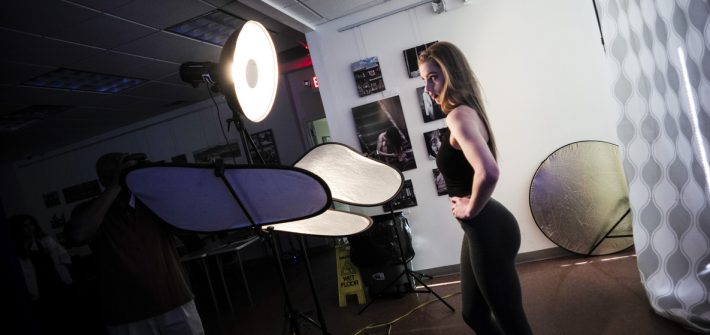
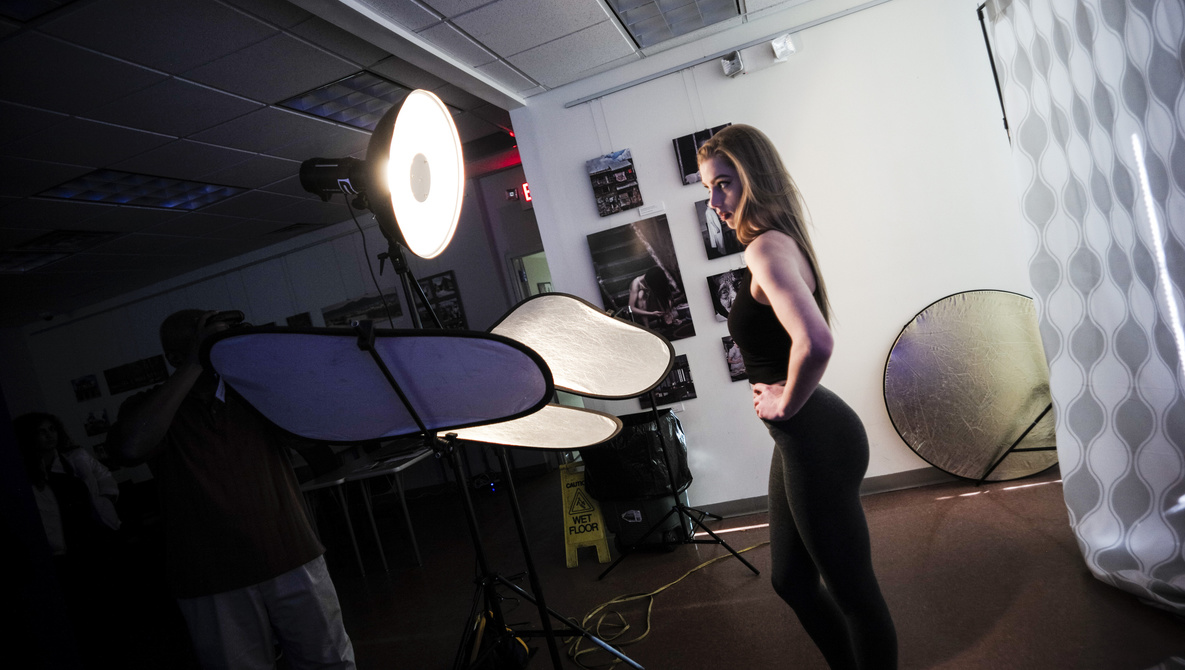
I’ve been fortunate present photography workshops over the past 15 years. My focus is usually on lighting for beauty, but I’ve presented on other topics as well including how to pose a subject so they look natural on camera. I’ve also attended many workshops from both well-known photographers and lesser-known names as well. From being on both sides of the lectern, I’ve developed a good understanding of what makes a good photography workshop. Here are 3 tips you might consider should you find yourself tasked with presenting a photography workshop.