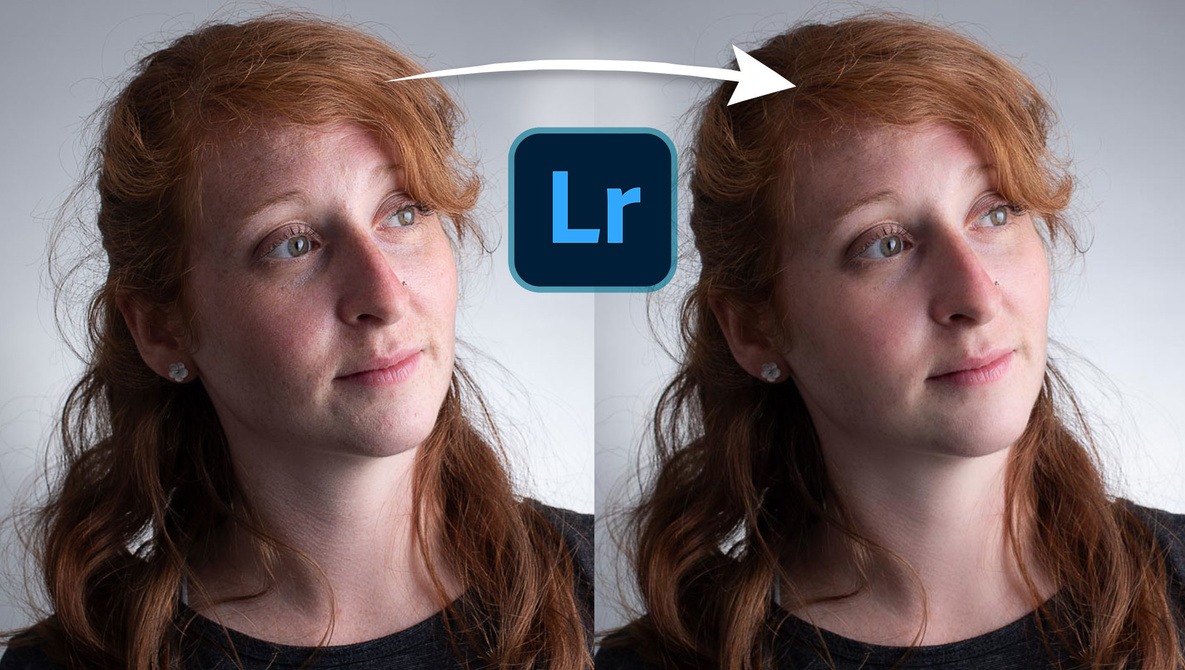

A little different from the last handful of episodes, Nathan Elson’s How I Got the Shot, Episode 7, moves into a darker-toned portrait set marked by its emphasis on moody overhead lighting.




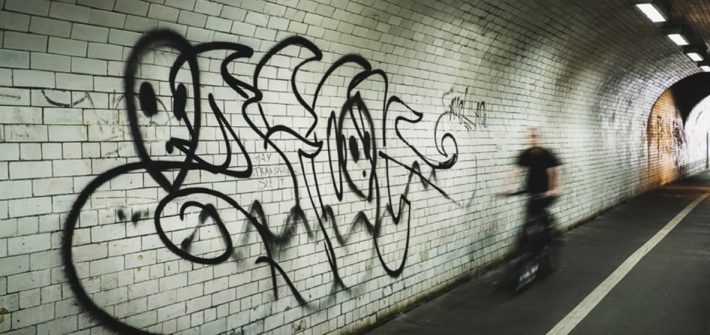
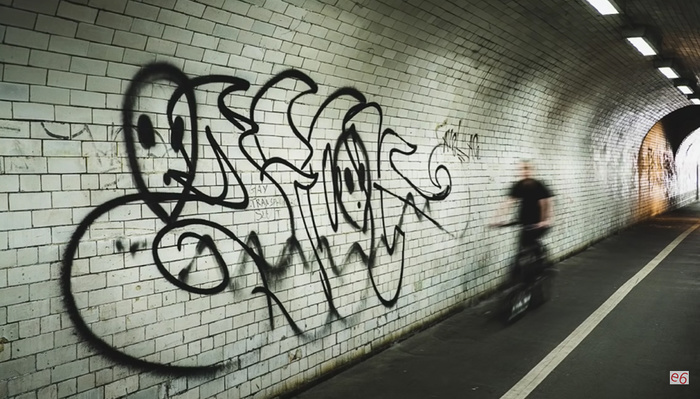
Photography is full of rules regarding every aspect, including composition, lighting, editing, and more. And while those rules can be tremendously useful, adhering to them strictly is likely to handcuff your creativity and limit your growth as a photographer. This interesting video essay discusses the ideas of learning the rules, following them, and then breaking them.




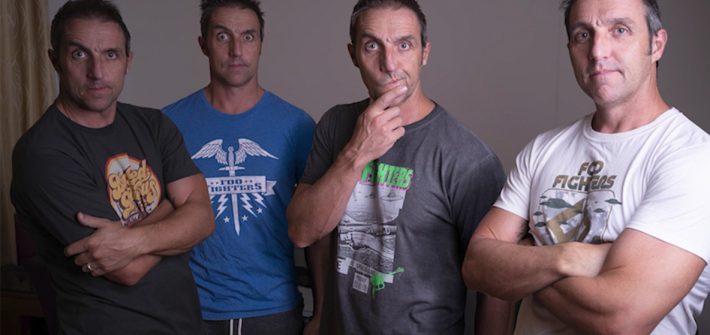
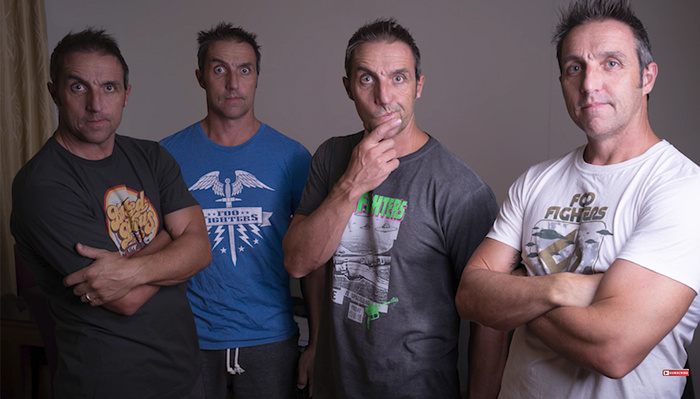
The inverse square law is one of the most fundamental and important concepts in lighting, and as such, any photographer working with artificial light should have a good understanding of it. If you are new to it, this helpful video tutorial will show you everything you need to know, from the way the law works to the practical consequences it has on your photos.




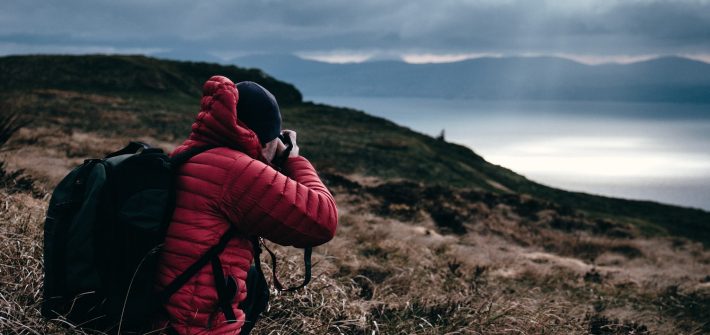
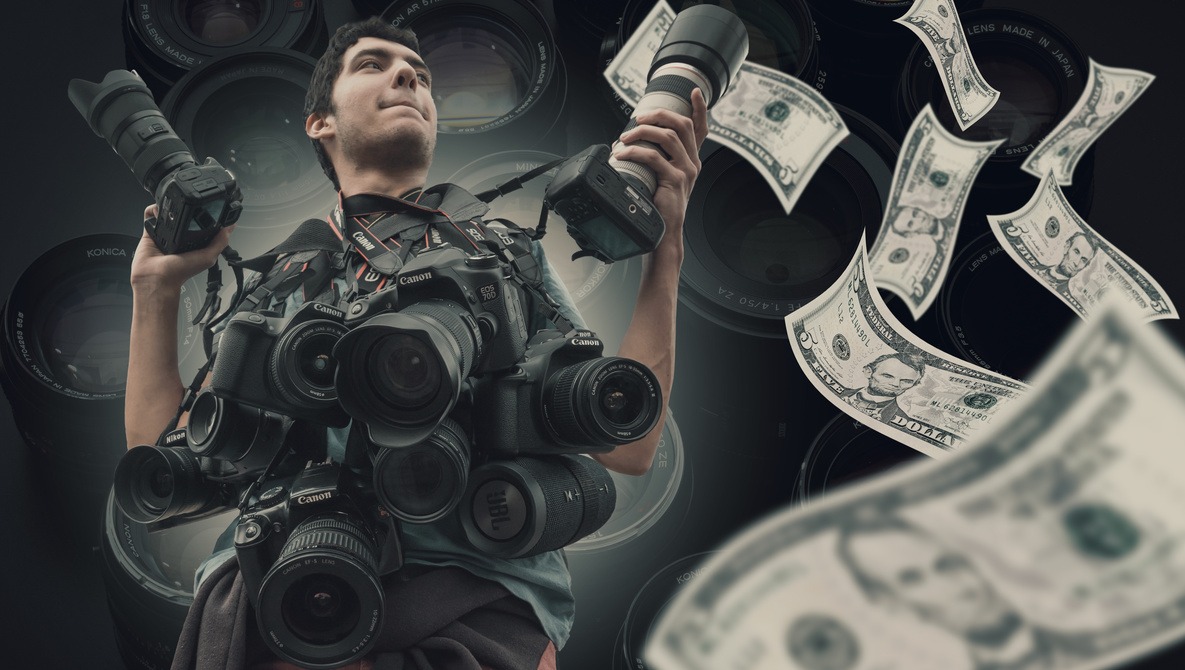
Admit it or not, we all like new gear or the next best thing. We try not to think about it, but that thought just sticks and goes round and round in your head like a cyclone until you either realize you don’t need it or you give in and using your hard-earned savings to purchase it, only to find that you didn’t need it after all and that it hasn’t made your photographic practice any better.






The recent addition of an astrophoto time-lapse mode (uncovered by XDA Developers) coming to Google’s camera app on their Pixel line of phones piqued my interest. Not that I think it will replace all of our “real” cameras, but I do have a deep appreciation for the engineering wizardry required to push right up to the physical limits of a tiny sensor and lens. And as an astronomy enthusiast, any developments that might open an appreciation of the night skies to a wider population get me very interested.




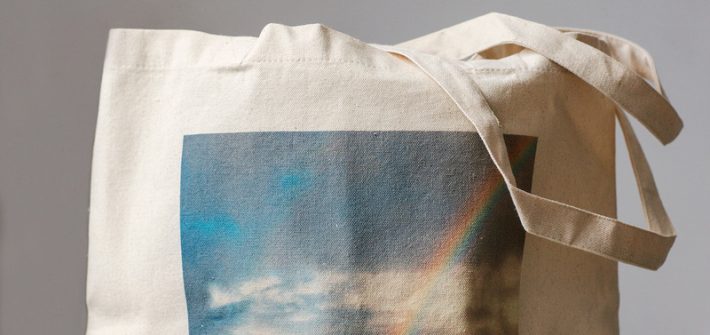

Handmade selling is on the rise and with it comes an increasing number of new product photographers. Quality product photography is essential for marketing your goods, but it doesn’t need to be expensive or overly technical. In fact, there are some easy things that you can adjust that will help elevate your product photographs to the next level!




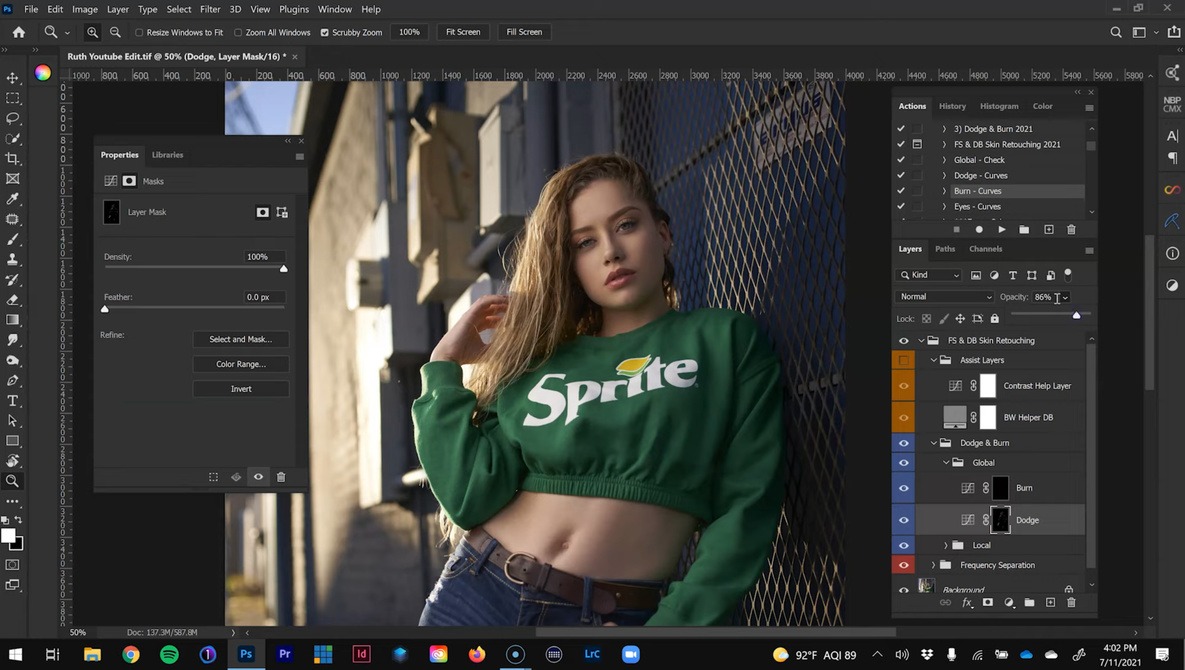
Post-production is core to most genres of photography, though it is more important to some than others. Portraiture is one of the most intricate areas of retouching with tricky tasks like skin retouching. Watch as one photographer talks you through his entire portrait editing workflow.





Back in film days, you loaded up a 24 or 36 exposure film and shot away until it was used up. Frames were precious because when your film was gone, it was all over. Digital removed that barrier, which has just created different problems. So, should you delete photos and, if you do, when should you stop?