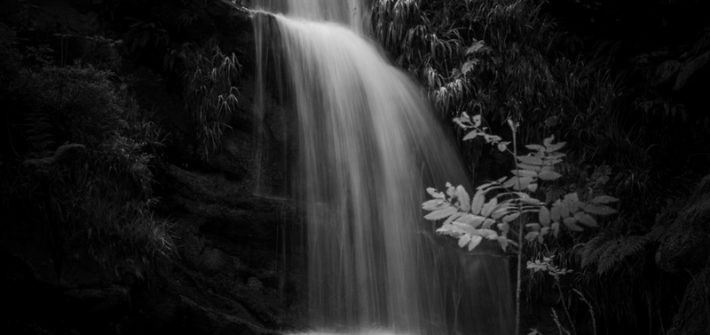
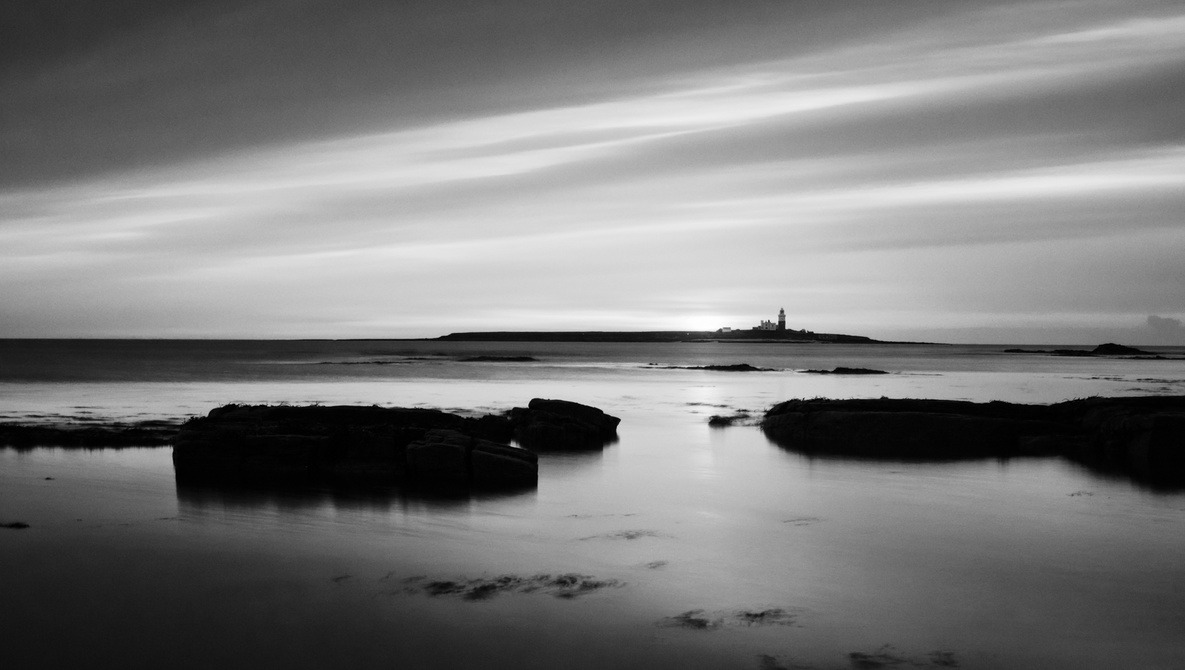
There’s so much more to black and white than the simple removal of color. We must understand both color and tone, plus their relationship with the world of monochrome. Here are 10 tips to help you become a better black and white photographer.




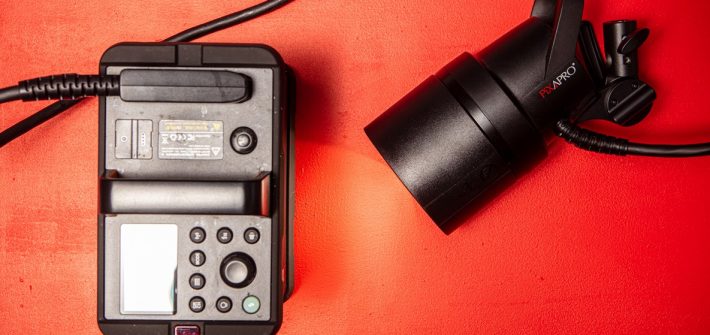


Normally in portraiture, you get a high level of control over the lighting, but in some scenarios (weddings, for example), you will have to think, light, and shoot on your feet. This excellent video tutorial will show you several ways to shoot nighttime portraits with a variety of different techniques and for a range of different creative looks.




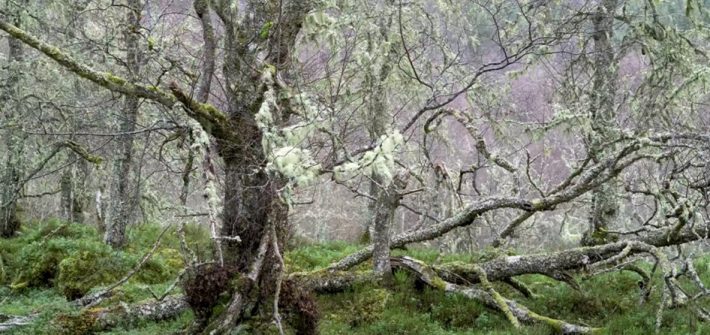
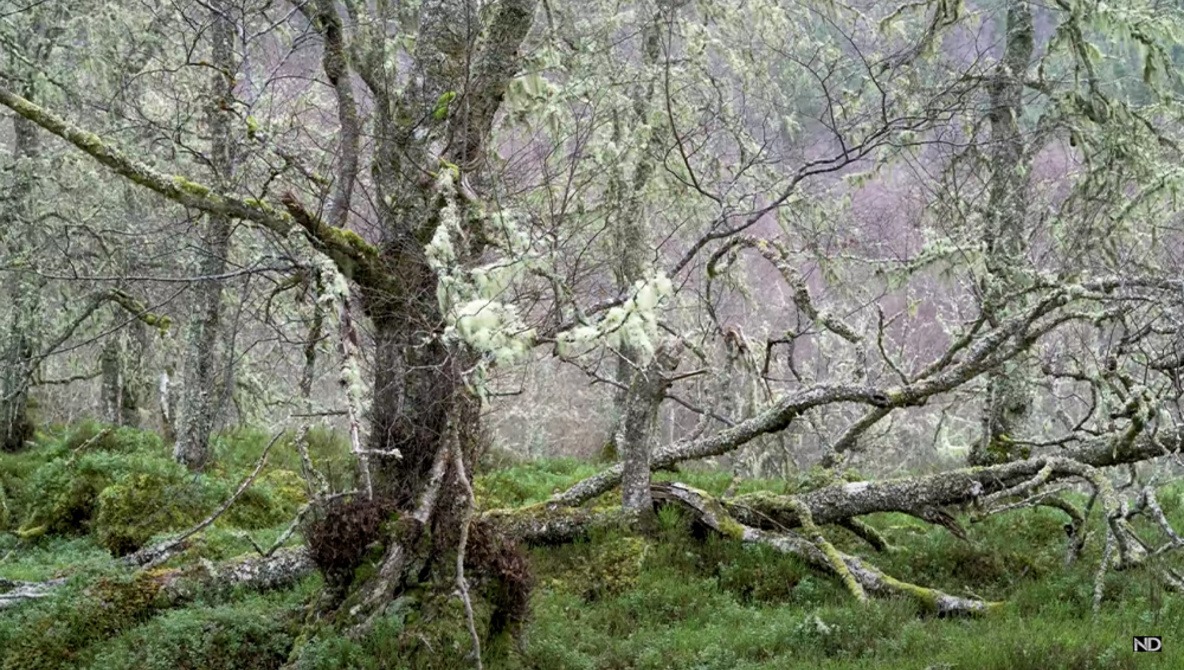
Bad light is something every landscape photographer will have to deal with at one time or another, but that does not mean you have to pack up your bag and head back home without any worthwhile images. This helpful video tutorial features an experienced landscape photographer walking you through dealing with poor lighting and still coming home with interesting photos.



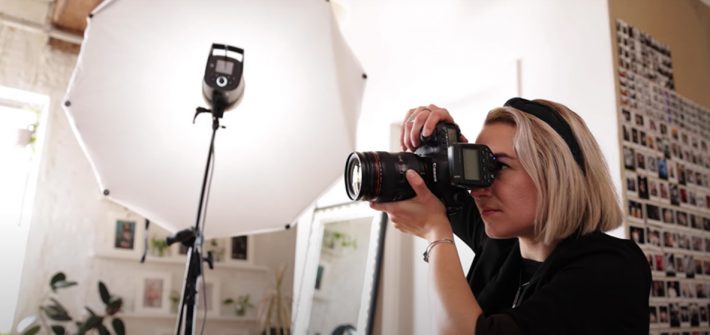
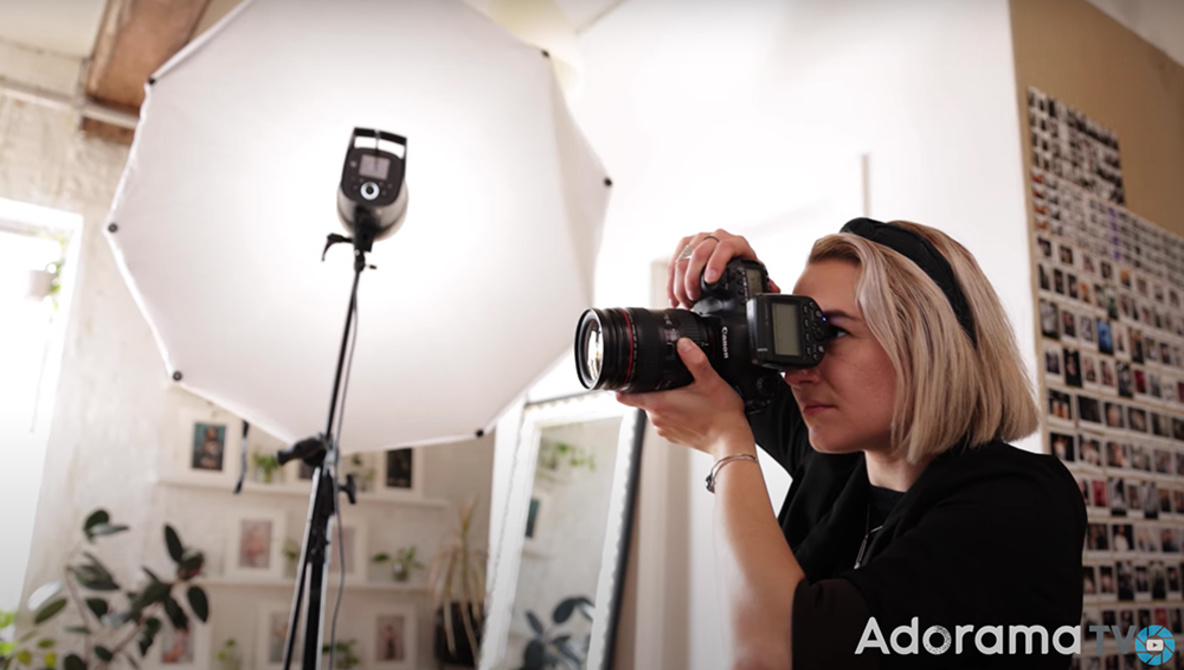
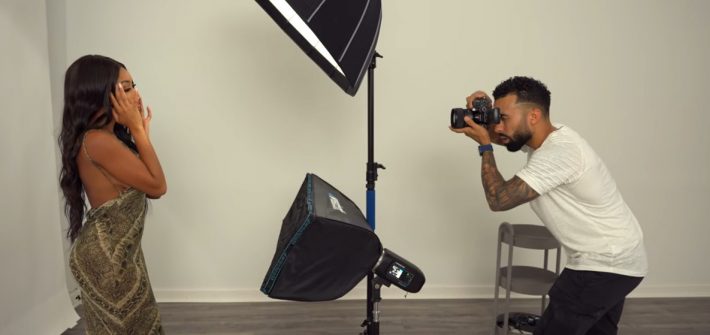
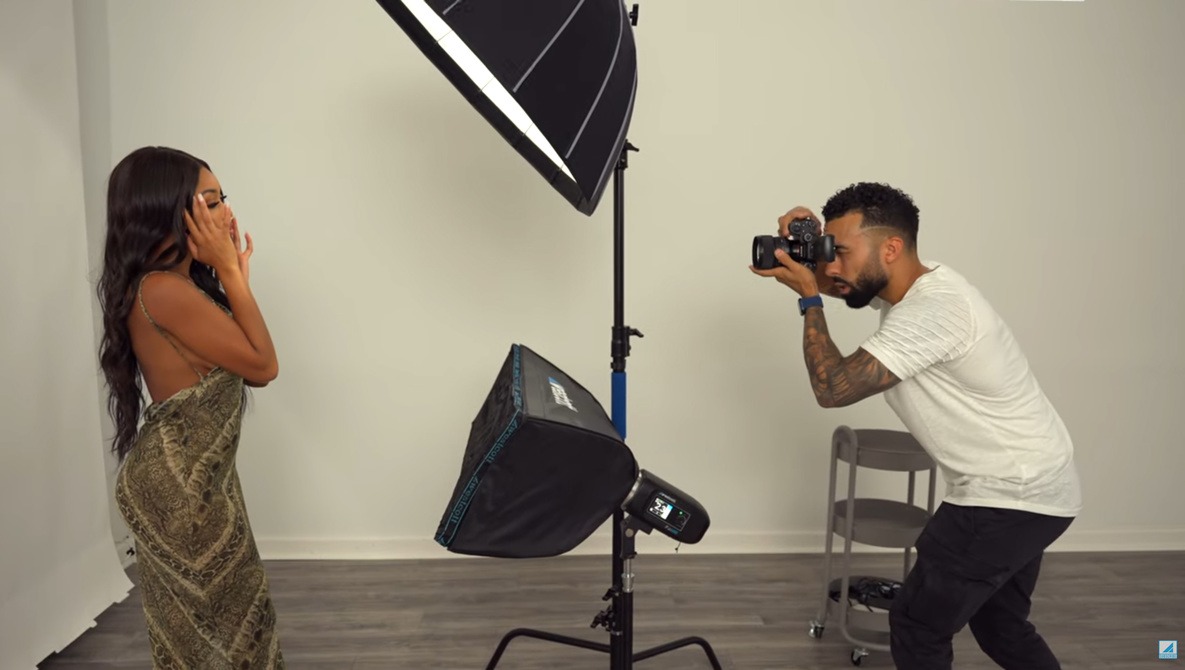
When you are newer to working with artificial lighting, it can be a bit overwhelming trying to pick the right modifier for a given shoot. Umbrellas are easily the cheapest modifiers you can get, making them a great tool for learning how to work with artificial light, and they are more versatile than you might think. This great video tutorial will show you five different single umbrella setups for shooting portraits.