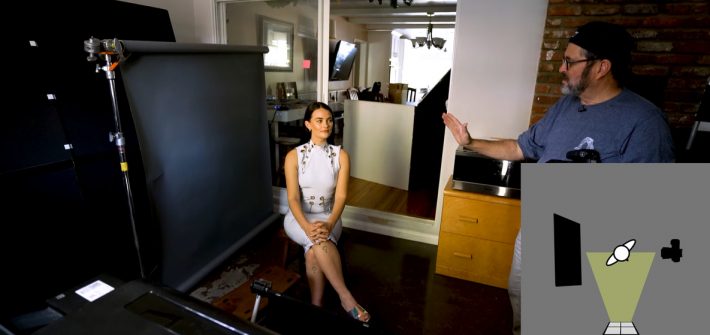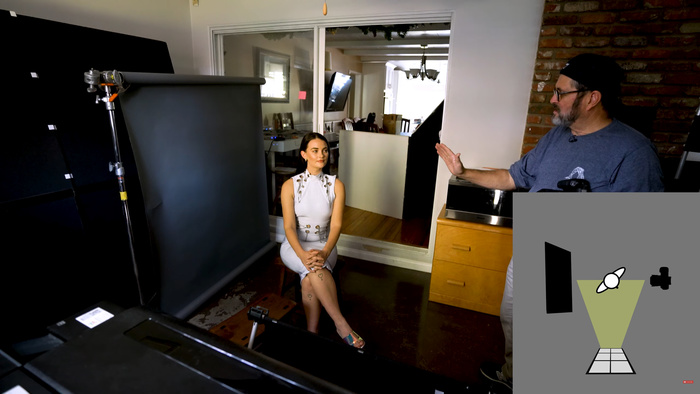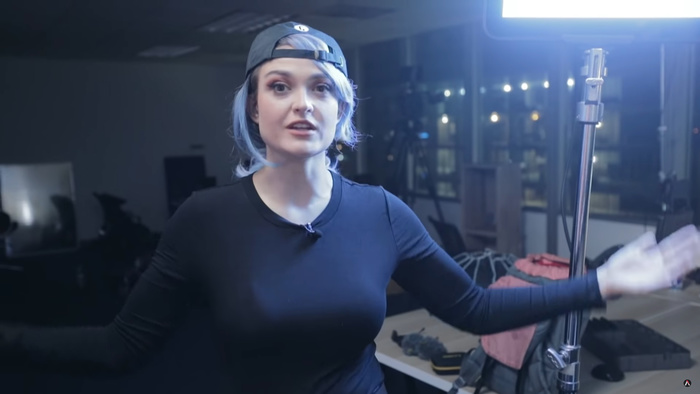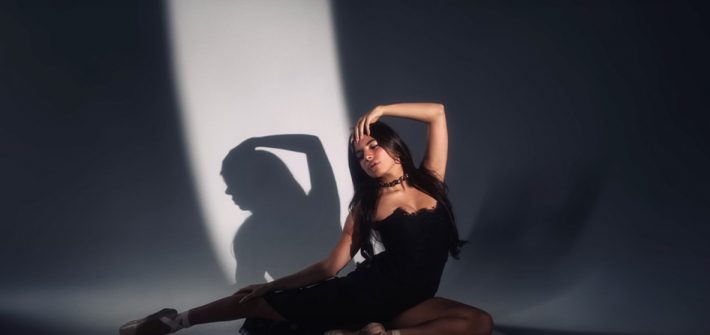
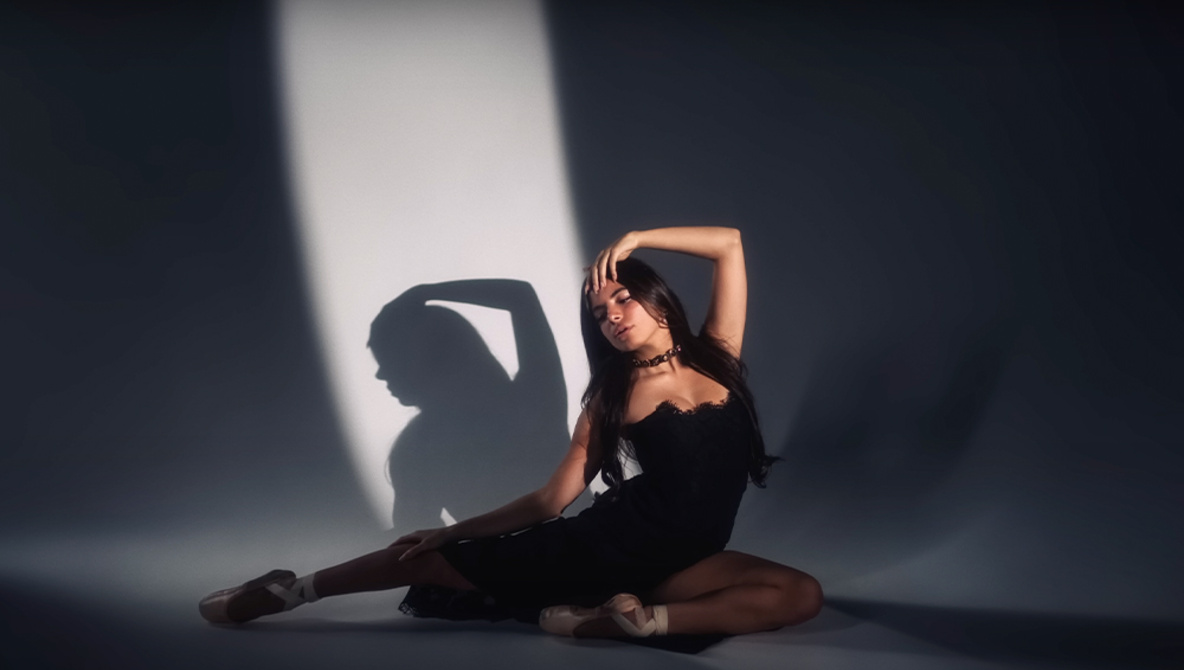
While many professionals employ the use of complex setups consisting of multiple lights, even just a single source can create vivid and compelling images when in the right hands. This excellent video tutorial will take you behind the scenes to show you how a photographer shot a striking series of full-body portraits using just one light.
Lighting
Photography Rules Are Made to Be Broken
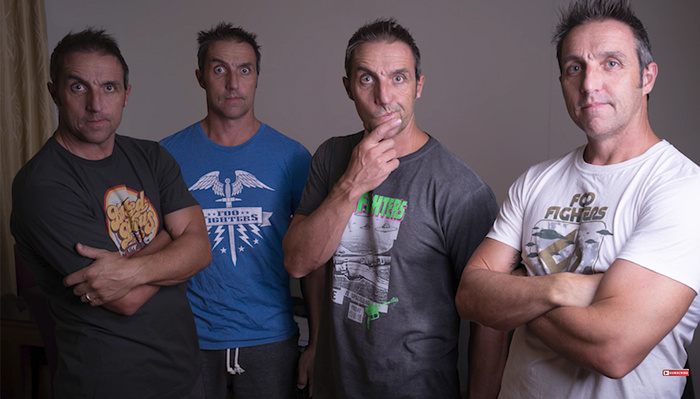
Photography is full of rules regarding every aspect, including composition, lighting, editing, and more. And while those rules can be tremendously useful, adhering to them strictly is likely to handcuff your creativity and limit your growth as a photographer. This interesting video essay discusses the ideas of learning the rules, following them, and then breaking them.
How Understanding the Inverse Square Law Will Make You Better at Lighting
The inverse square law is one of the most fundamental and important concepts in lighting, and as such, any photographer working with artificial light should have a good understanding of it. If you are new to it, this helpful video tutorial will show you everything you need to know, from the way the law works to the practical consequences it has on your photos.
Do You Suffer From Gear Acquisition Syndrome (GAS)?
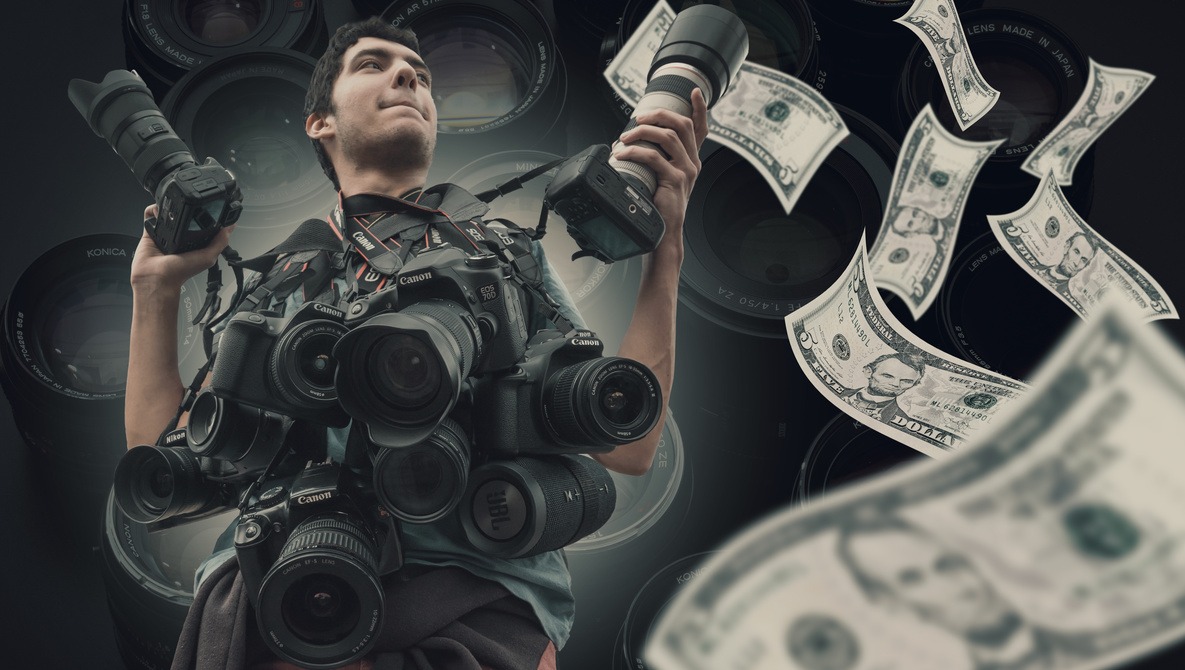
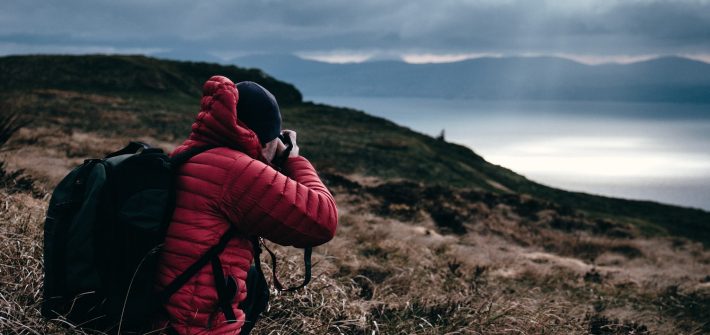
Admit it or not, we all like new gear or the next best thing. We try not to think about it, but that thought just sticks and goes round and round in your head like a cyclone until you either realize you don’t need it or you give in and using your hard-earned savings to purchase it, only to find that you didn’t need it after all and that it hasn’t made your photographic practice any better.
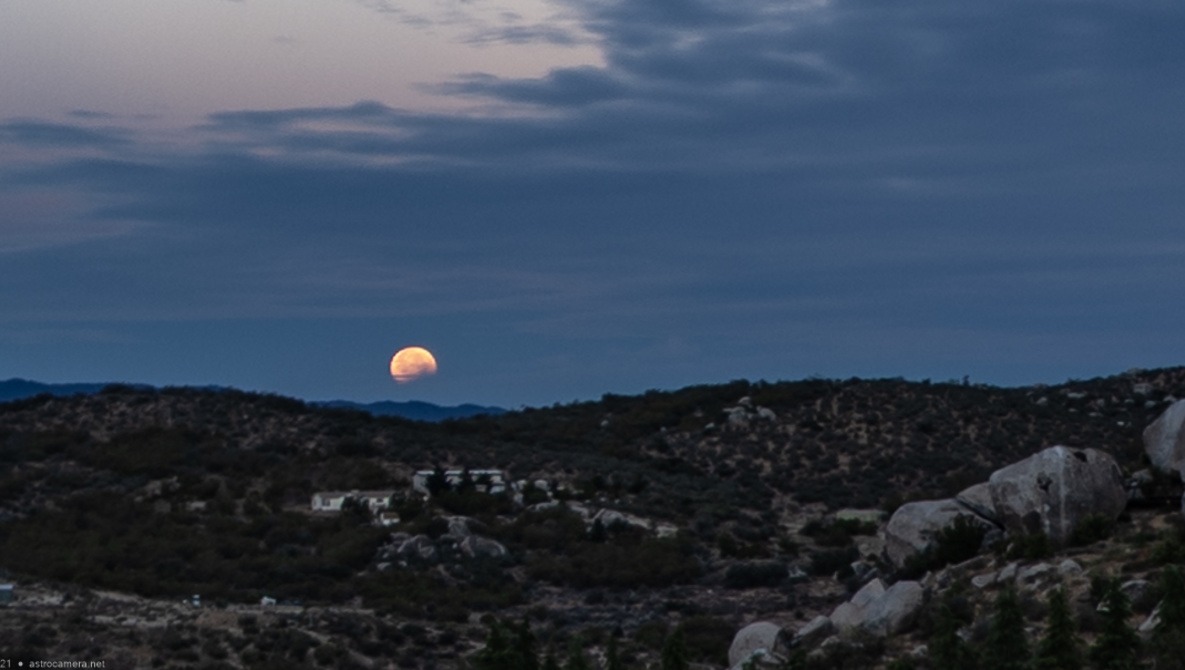
Astrophotography With a Google Pixel Smartphone? Really?
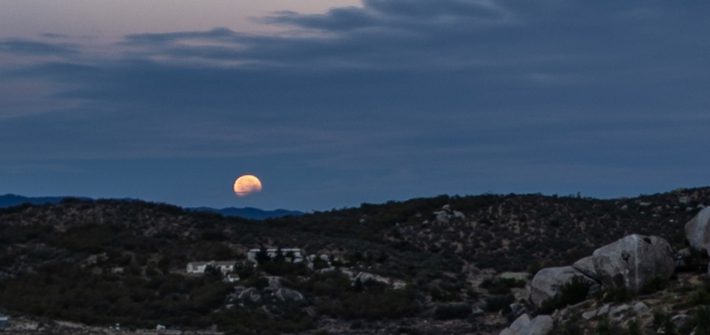
The recent addition of an astrophoto time-lapse mode (uncovered by XDA Developers) coming to Google’s camera app on their Pixel line of phones piqued my interest. Not that I think it will replace all of our “real” cameras, but I do have a deep appreciation for the engineering wizardry required to push right up to the physical limits of a tiny sensor and lens. And as an astronomy enthusiast, any developments that might open an appreciation of the night skies to a wider population get me very interested.