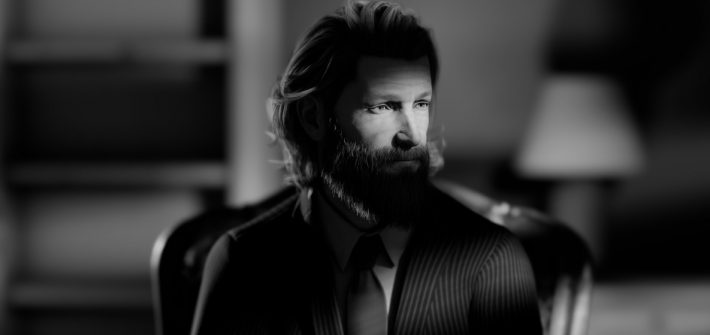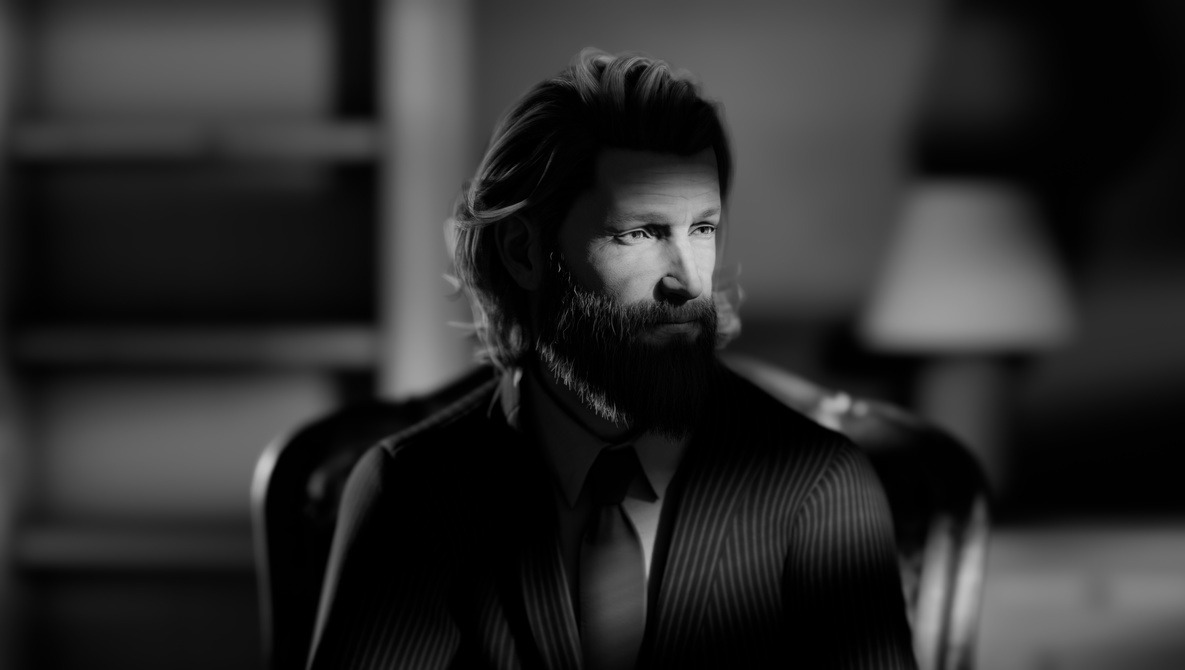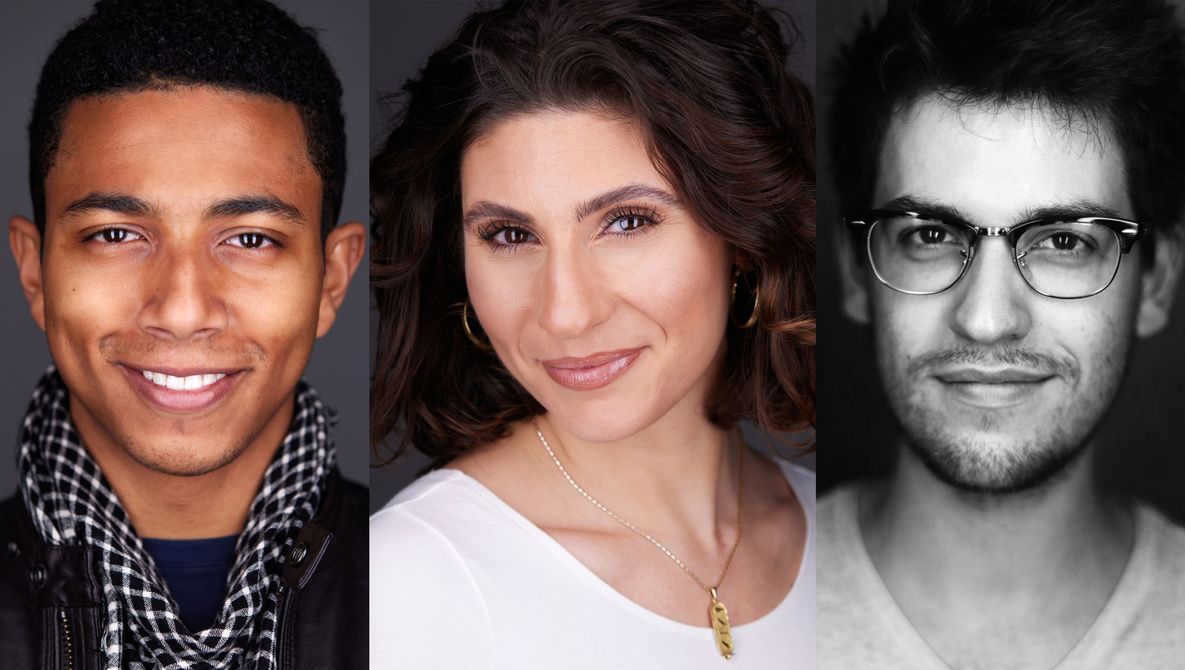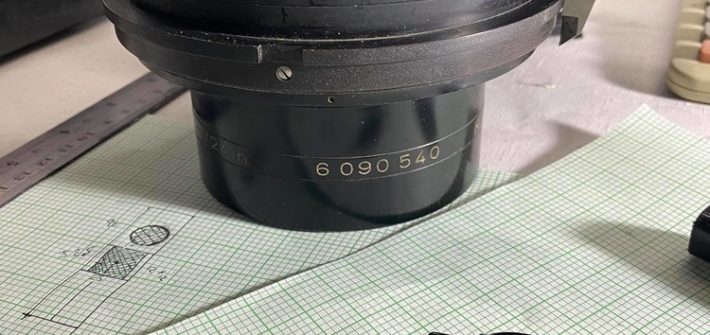
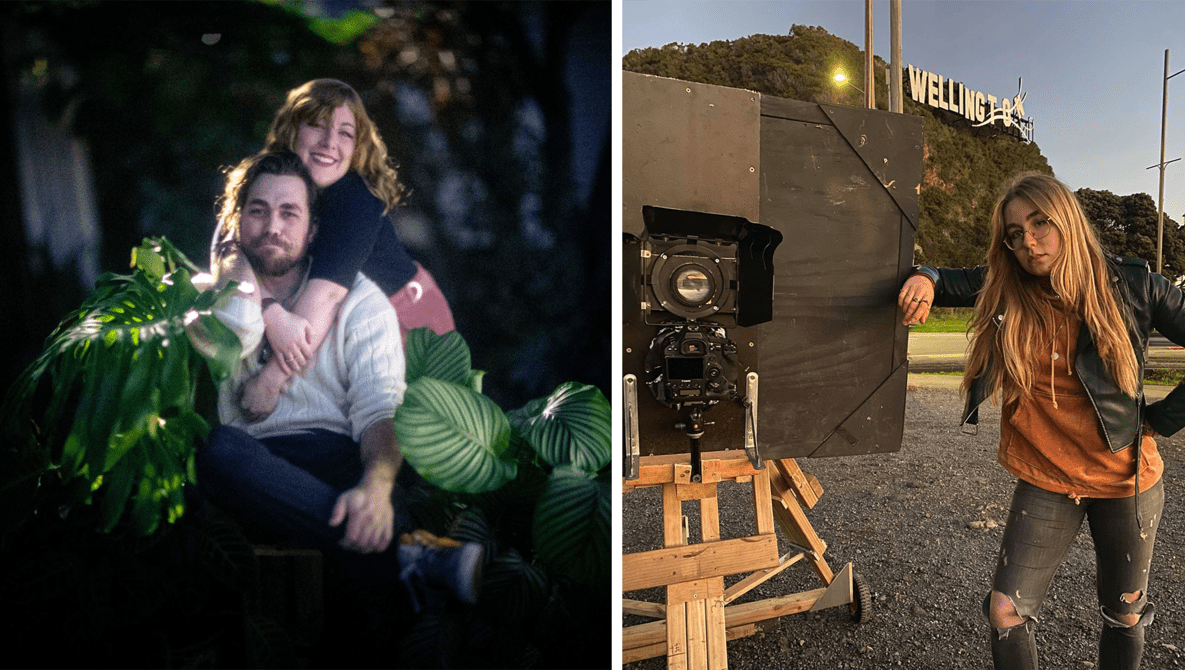
A photographer has built his own DIY ultra-large format digital camera from scratch. The rig uses a 600mm f/9 lens and has a projection area of one meter, making for some crazy images.




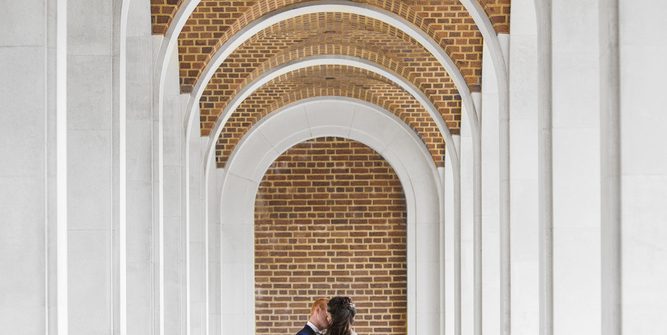
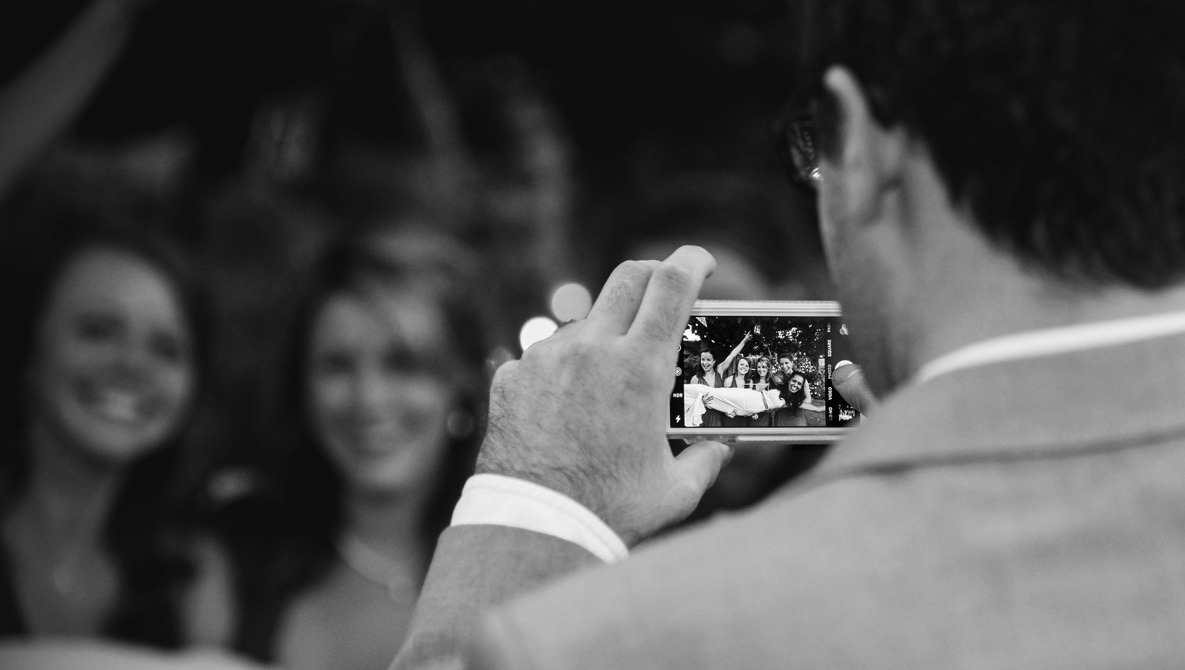
If you’re looking into hiring a wedding photographer, you may not have much experience with the profession. Although you can pick photographers you like, there is more to the story than just that. So, how can you make sure you’re hiring the right photographer? Here are seven tips that can help ensure you aren’t disappointed.




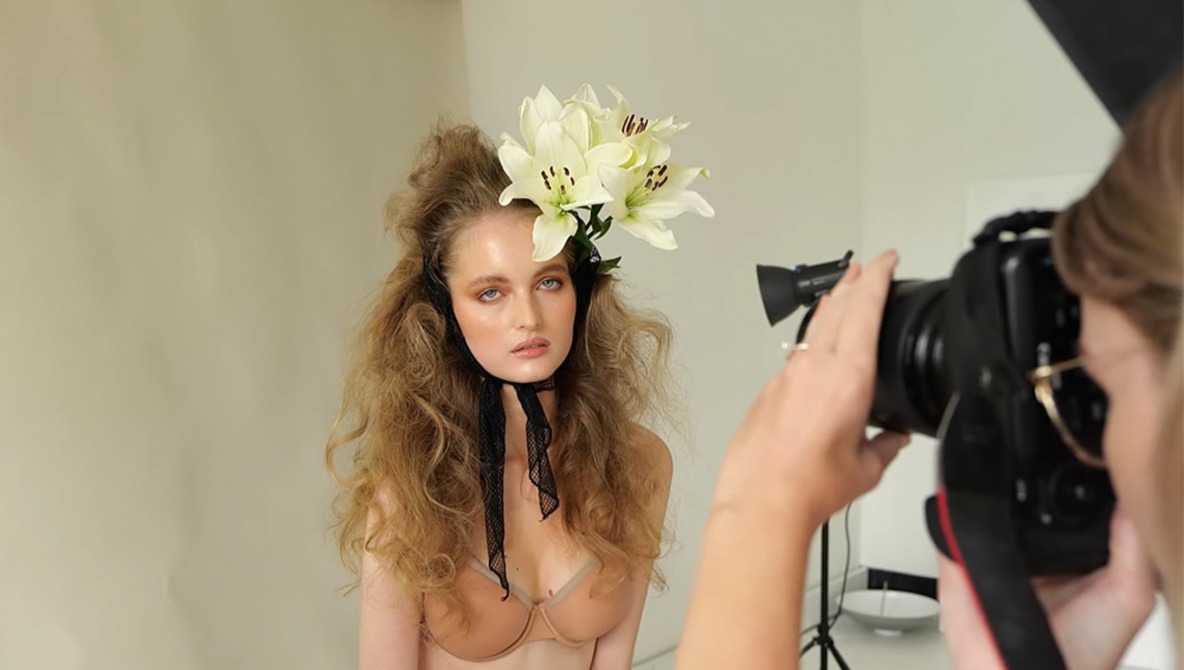
When you are ready to move into working in your own studio, you will, of course, have to bring in your own lighting. Lighting can run a huge gamut of price and features, however, and it can be tricky to know what you need to get started. If you are looking for some decent lighting to get you up and running and that will not break the bank, check out this helpful video that will show you some good beginner lighting kits for studio work.





Many photographers struggle with creating a pure white background in camera, but it is an essential skill that all of us must master. The good news is that it’s relatively easy to do with the right setup. In this article and the accompanying video, I detail my method for creating a pleasing white background on camera.



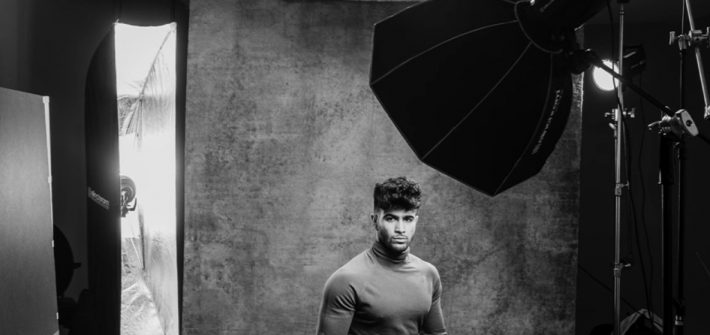
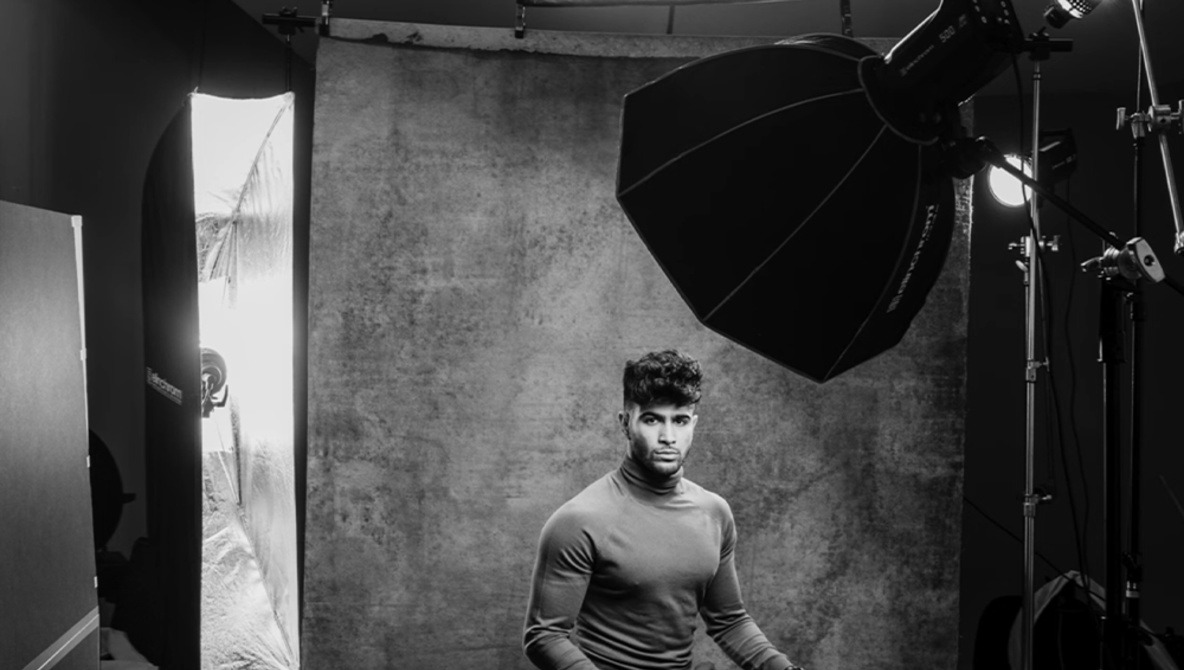
When it comes to lighting, the three main types you can choose from are speedlights, monolights, and packs and heads. These three all have their own merits and drawbacks, and if you are thinking about investing in your own lighting system, it is important to know which is best suited for your work. This excellent video tutorial will show you the ins and outs of all three options and help you decide which to choose.



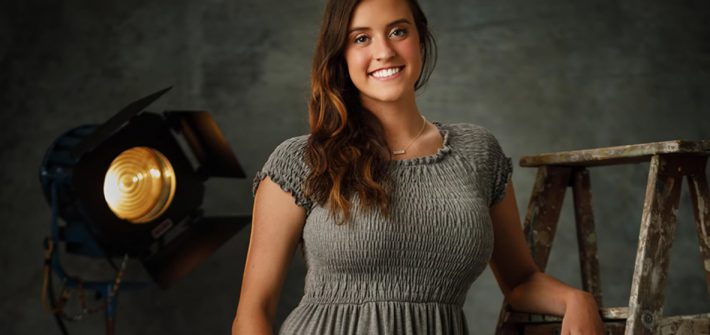
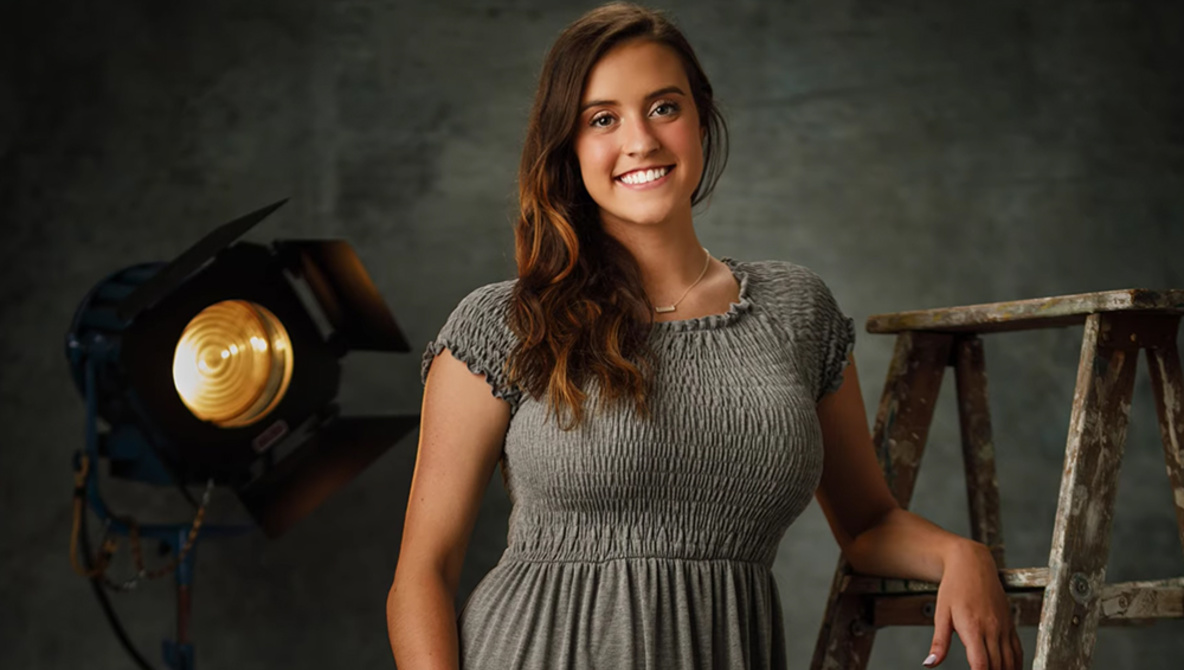
When it comes to portrait photography, soft light is often the method of choice, as it provides flattering renderings suitable for a wide range of styles and subjects. If you are new to working with artificial lighting and interested in learning more, check out this helpful video tutorial that will show you how to create elegant soft light for portrait work.



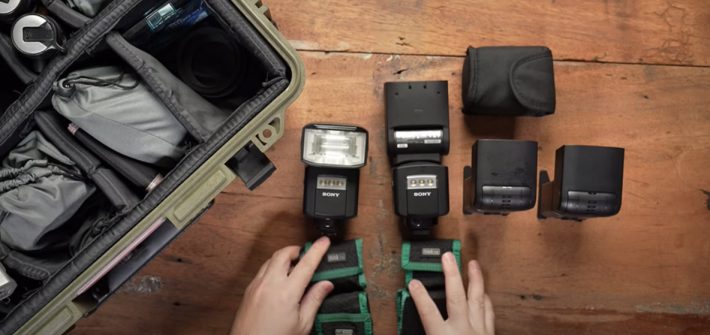
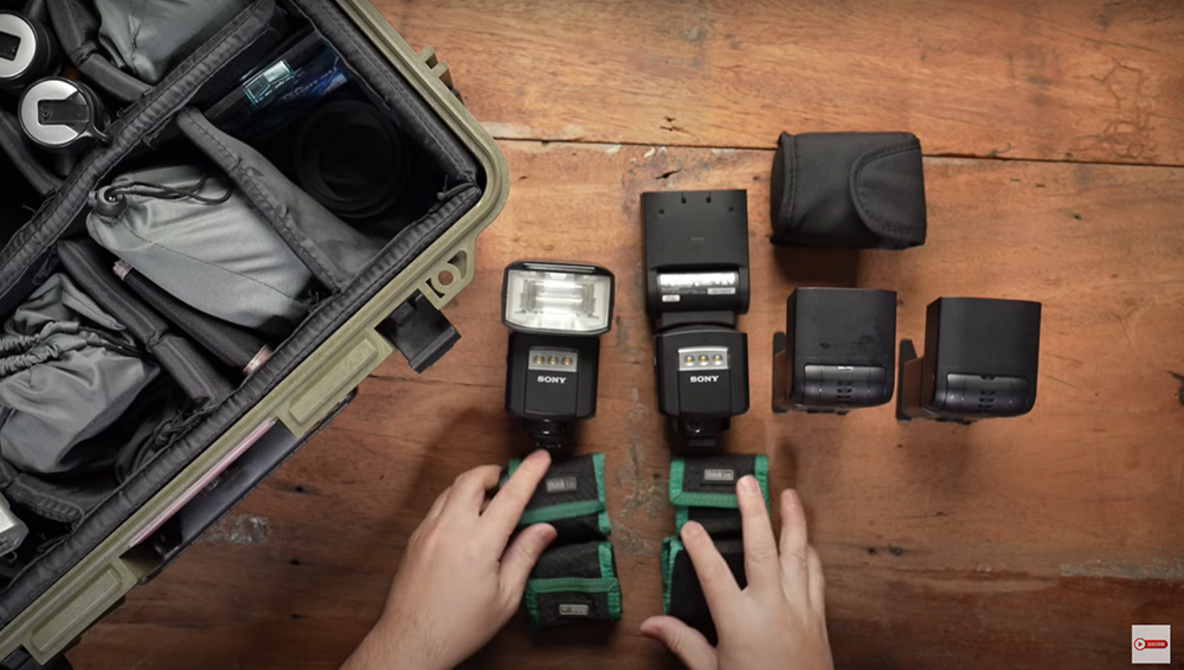
If you are new to the world of artificial lighting, it can sometimes feel like trying to learn a foreign language. It is really worth taking the time to learn it, though, as it will open up creative opportunities that simply are not possible otherwise and make you a far more versatile photographer. This excellent video tutorial will show you essential off-camera flash gear and some helpful basic tips to get you off and running.