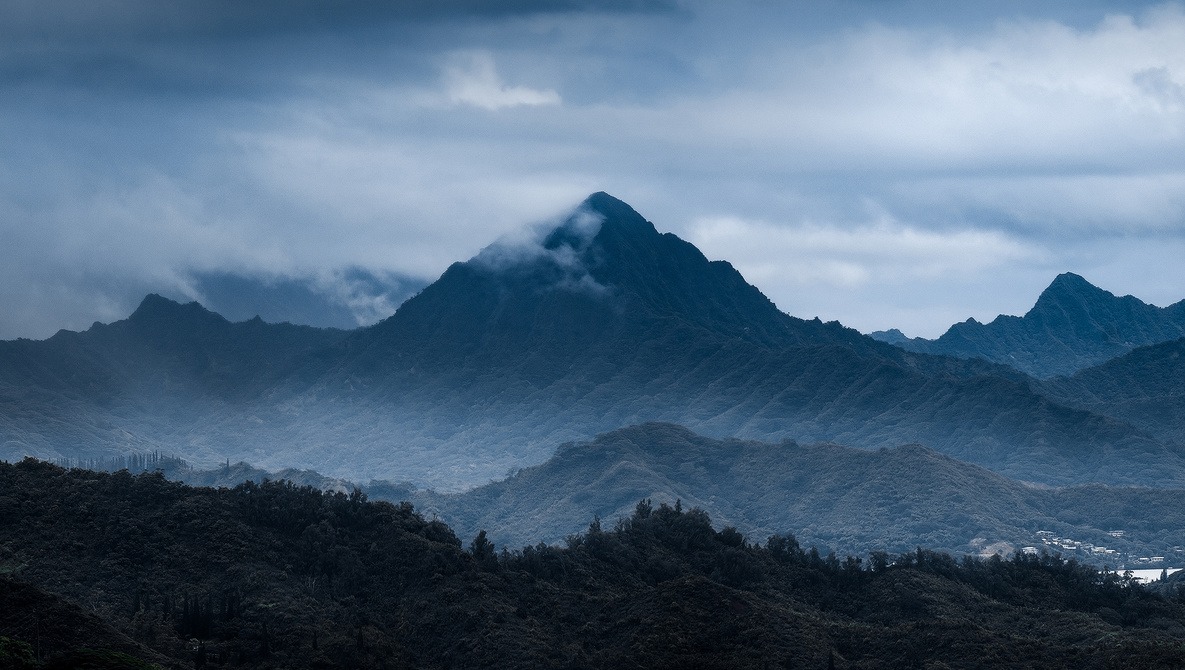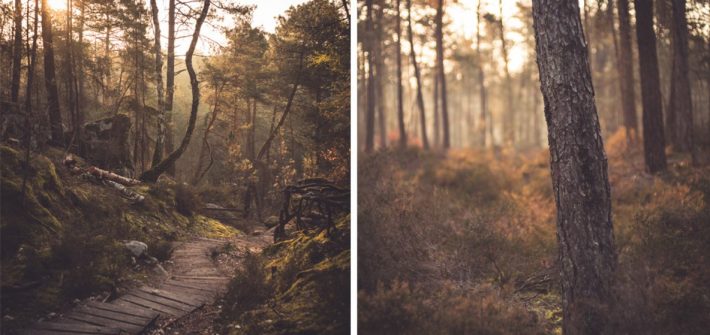
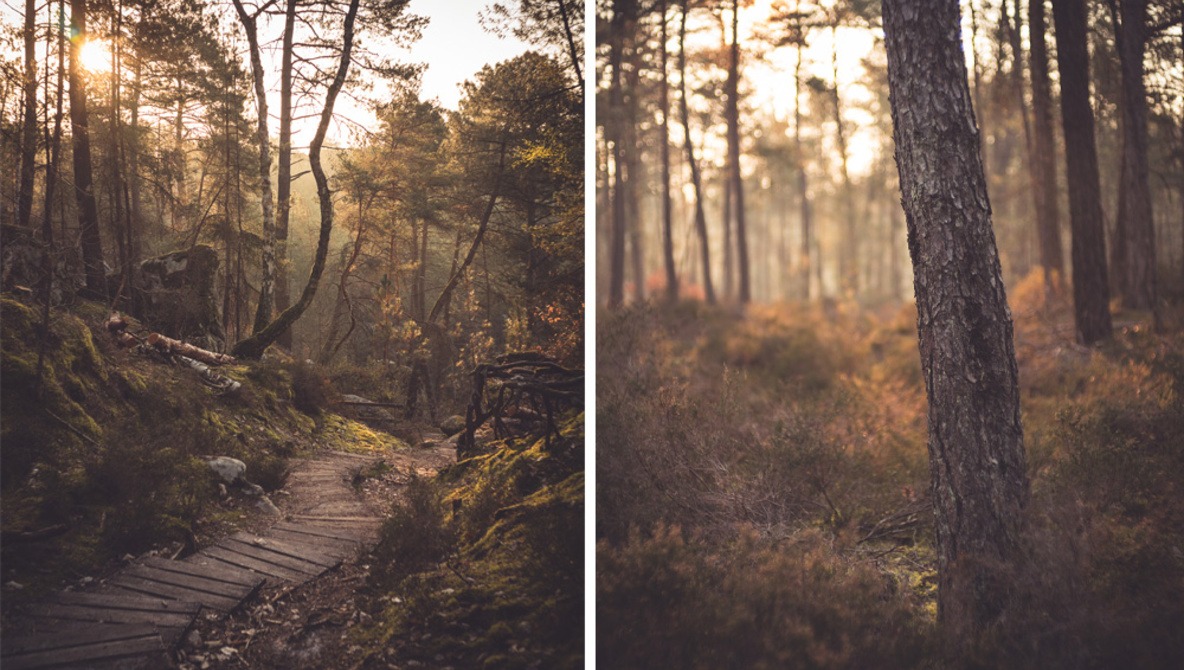
The huge forest on my doorstep is stunning, so why were we six months into the global pandemic before I started photographing it? For someone who never liked landscape photography, I certainly take a lot of landscape photos.




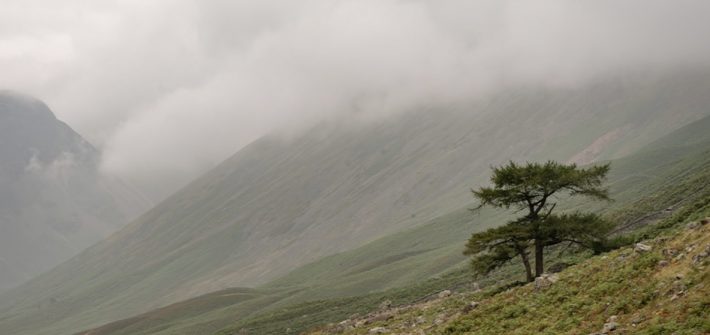
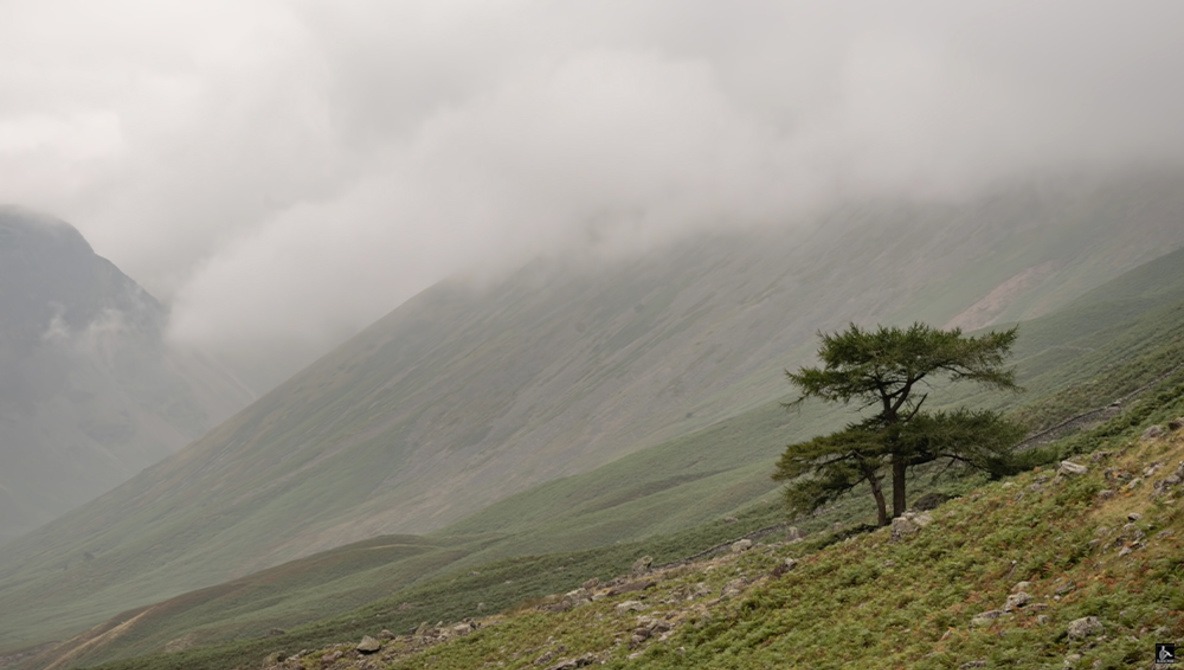
Ok, that might be a slight exaggeration. Something like a tornado would probably qualify as bad weather. However, if the weather is not threatening your very safety, I would go so far as to say it is good weather for landscape photography, rain, shine, or anywhere in between, and this great video demonstrates why.




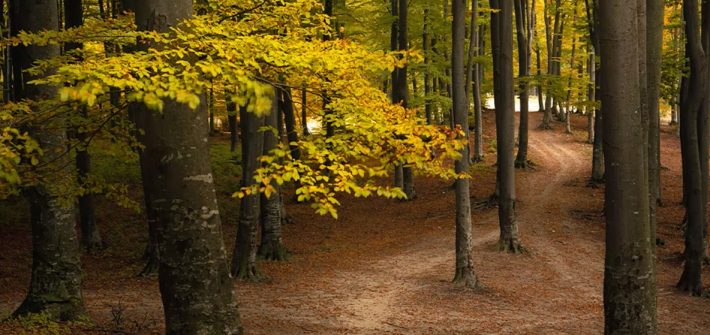
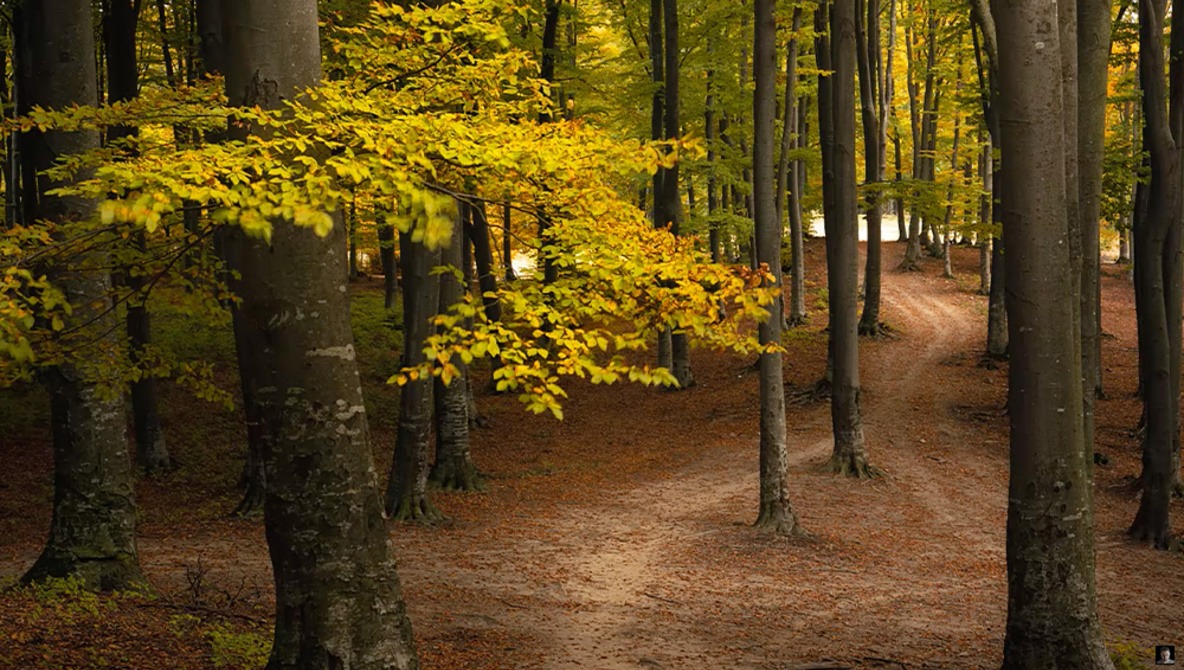
Fall is here, and the colors are vibrantly popping and begging to be photographed. If you are thinking of heading out with your camera and want to ensure you come home with the best possible images, check out this fantastic video tutorial that will give you seven helpful tips that will improve your autumn photos.




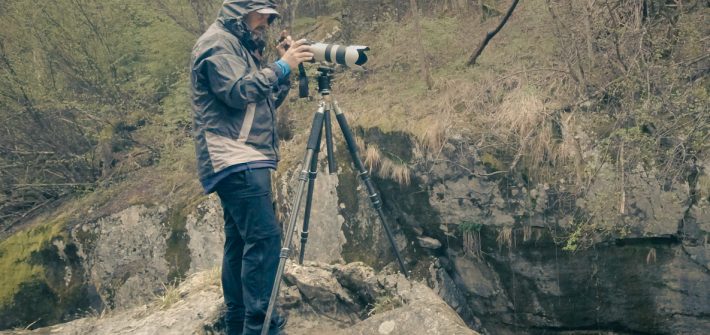
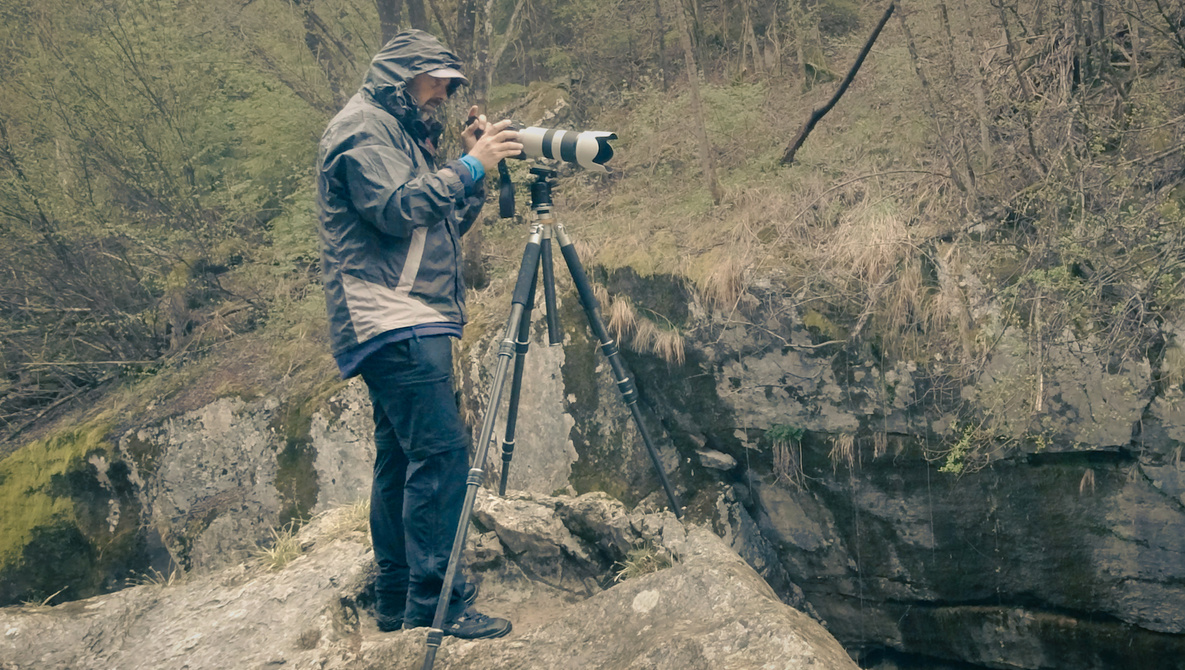
Sometimes, we try hard to find a composition, but sometimes, we get distracted by too many, and it gets hard to choose the best one. At home then, we have often to accept that all our images are just average. How can we avoid situations like that and come home with a masterpiece instead?



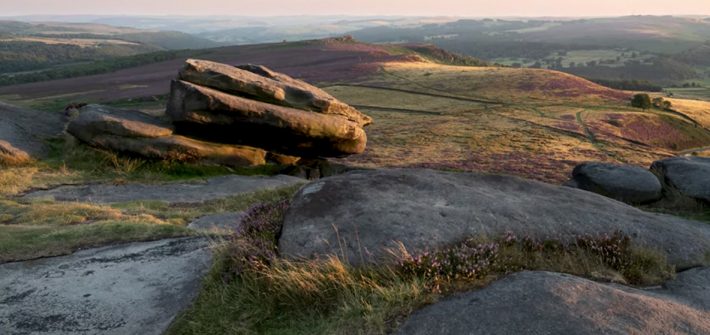
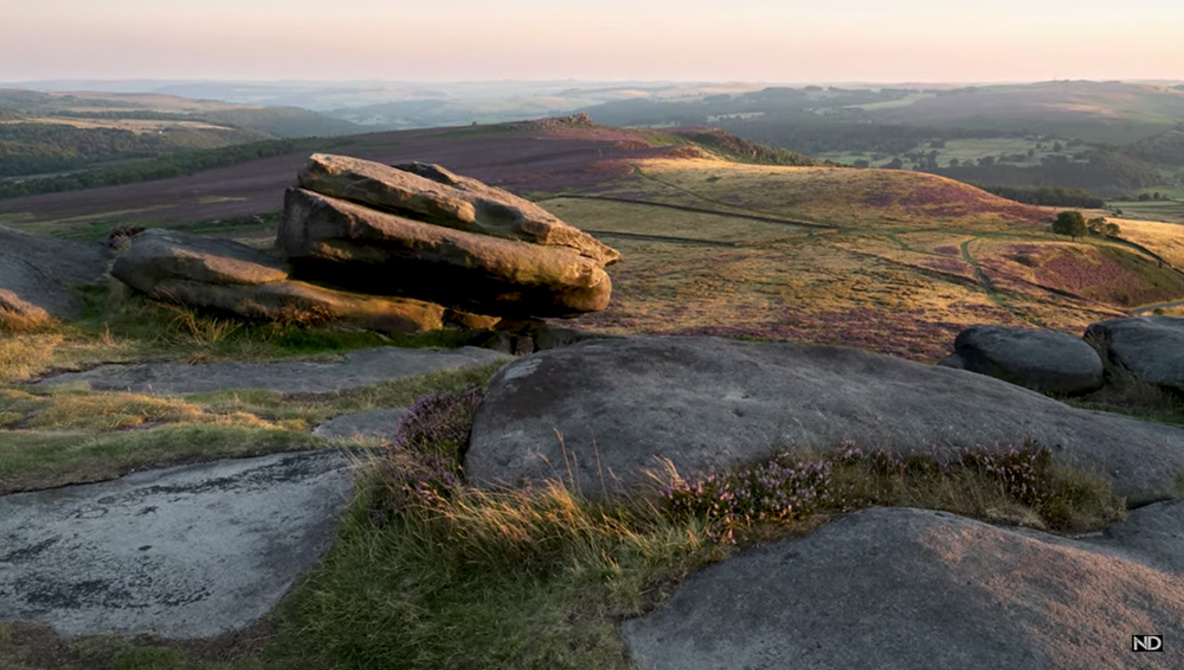
For most people, the prospect of a clear blue sky makes for a nice day, but for a landscape photographer, it is a nightmare that leads to boring frames. While those clear skies can be difficult to deal with, they do not mean you should just pack up your camera and lens and head back home. This great video tutorial features an experienced landscape photographer working under such conditions and sharing some helpful tips to improve your images.
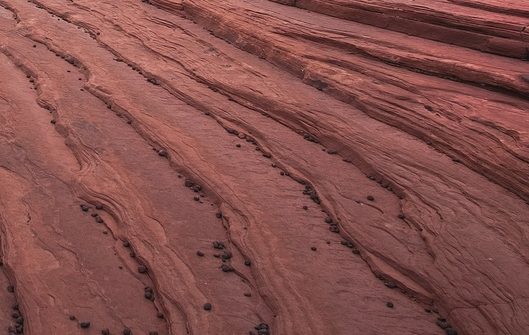
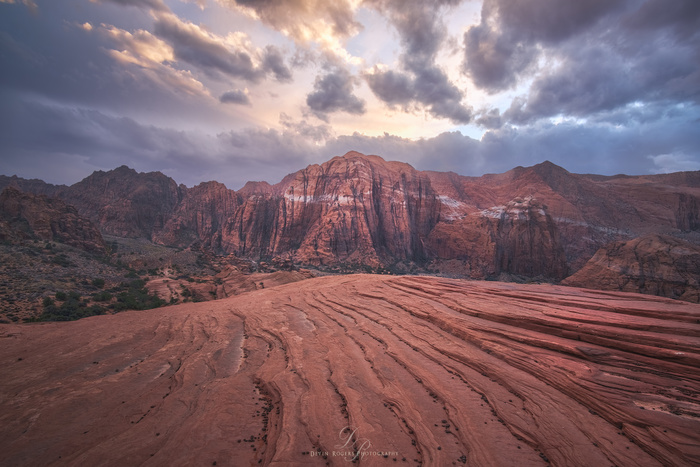
The majority of landscape photographers tend to prefer keeping the entire scene in focus from back to front, using smaller apertures to maintain greater depth of field. Using this simple technique, any photographer can quickly find the hyperfocal distance, or the focusing distance at which a lens, given any aperture and focal length, will produce the greatest depth of field.




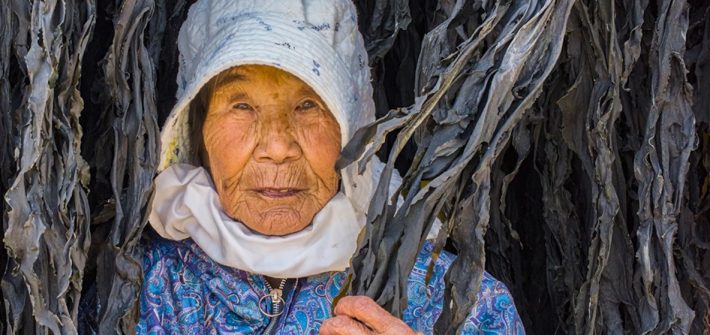
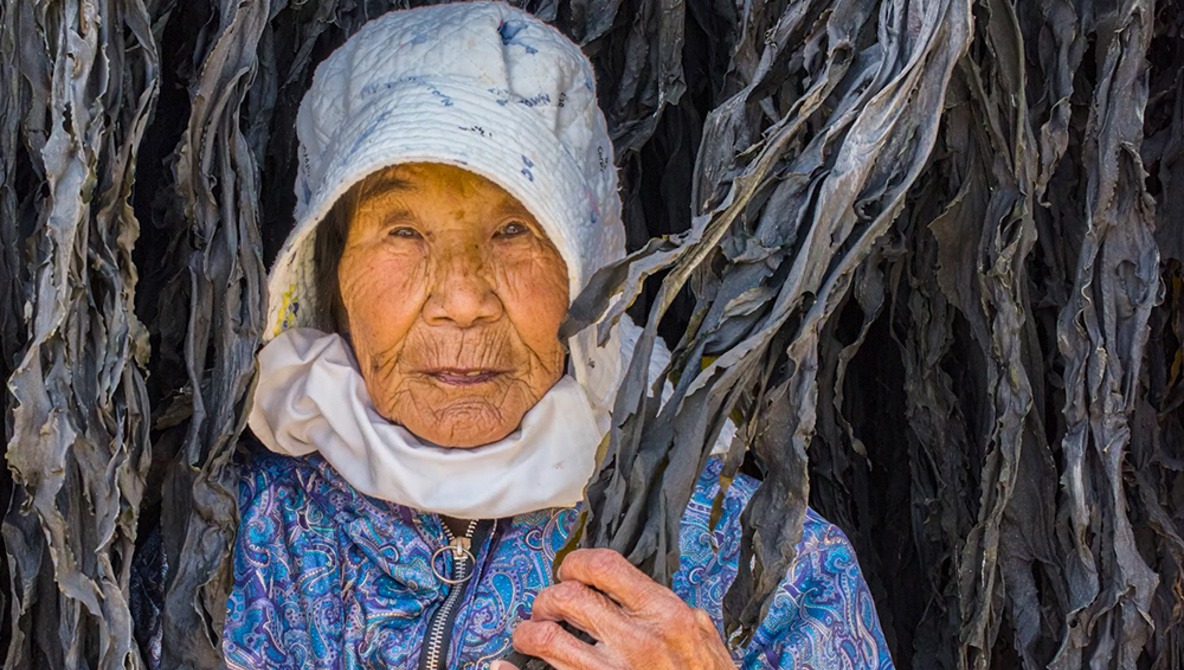
While portraits with a narrow depth of field that isolate the subject against a wall of blurry colors and ill-defined shapes are quite popular, they can sometimes be a bit one-dimensional. Environmental portraits are a chance to increase the nuance of your images and tell stories about your subjects. If you want to improve your own environmental portraits, this great video tutorial will give you five tips that will help you on your way.