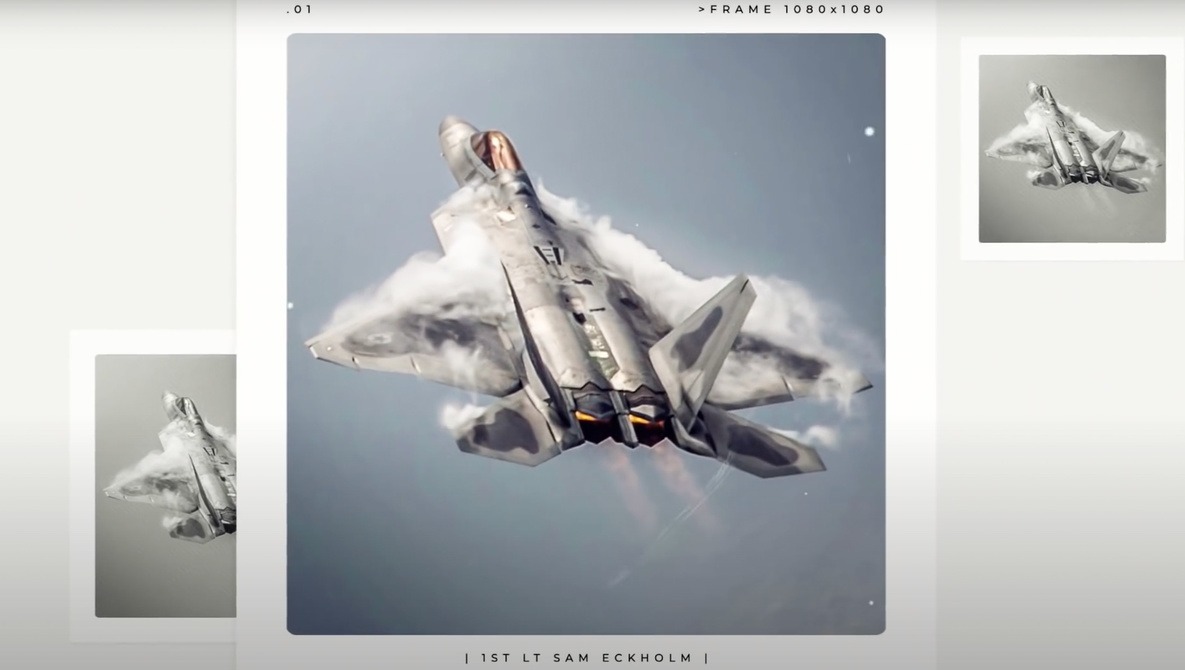
One of the most important jobs in the military is that of the photographer. Here, a USAF photographer takes through a typical day for them.






One could easily say that nothing is what it seems because our minds create a subjective representation of the world around us. With memories, this representation may be even more complex. As scientists explain, encoding a memory in the brain is a biological event that begins with a sensory experience. Every memory we have captures emotions, and colors are one of those aspects that evoke and illustrate what we feel.





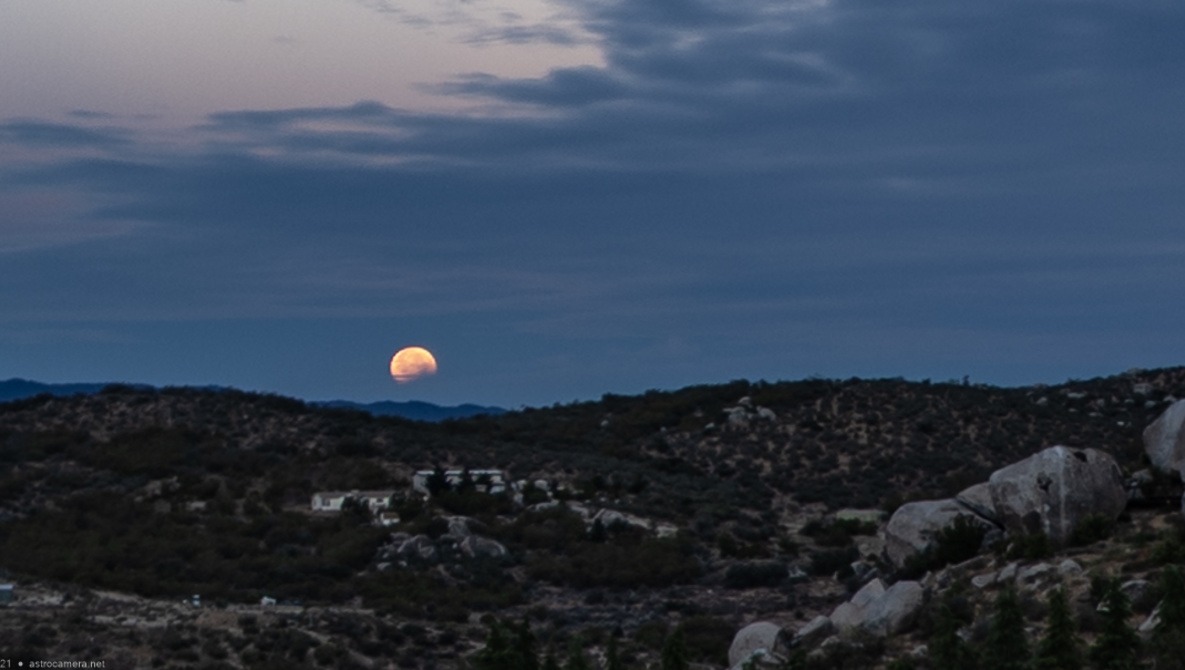
The recent addition of an astrophoto time-lapse mode (uncovered by XDA Developers) coming to Google’s camera app on their Pixel line of phones piqued my interest. Not that I think it will replace all of our “real” cameras, but I do have a deep appreciation for the engineering wizardry required to push right up to the physical limits of a tiny sensor and lens. And as an astronomy enthusiast, any developments that might open an appreciation of the night skies to a wider population get me very interested.




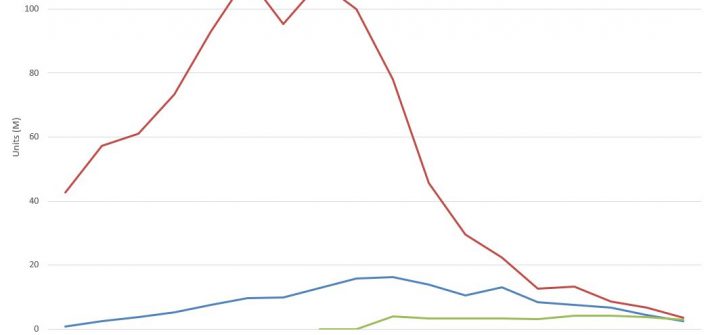
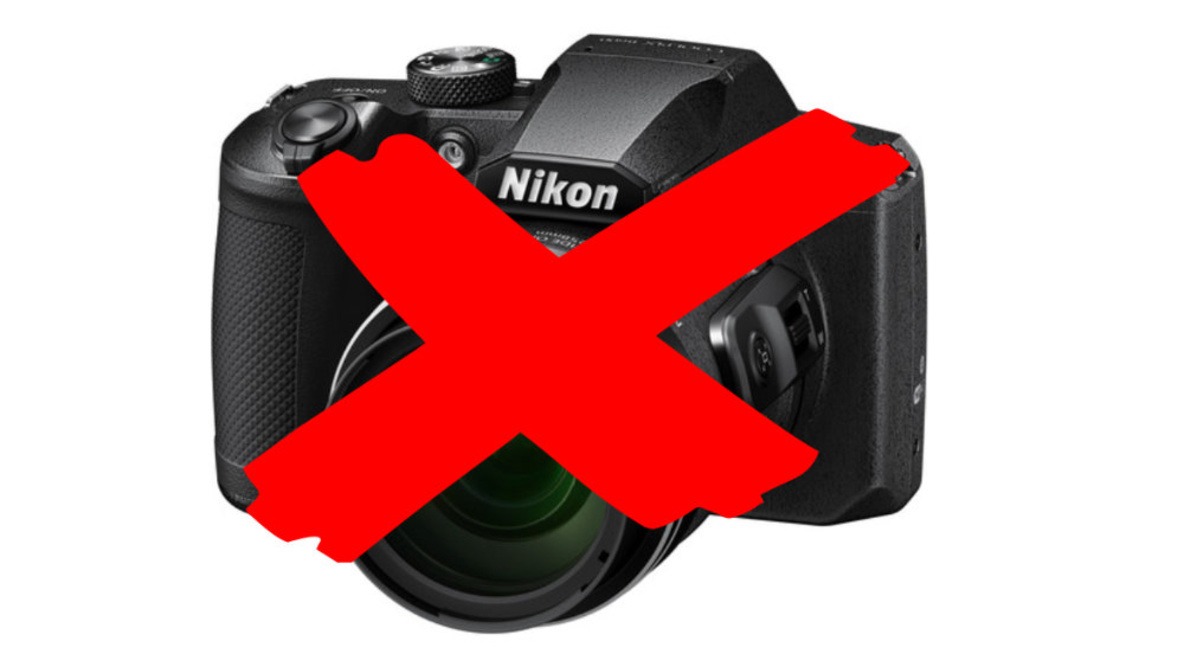
Nikon quietly — or maybe not so quietly given the press — announced the demise of the innocuously named Coolpix B600, a product name that just trips off the tongue and screams cheap and cheerful. What is startling about this camera is that it only hit the market in December 2020. Some eight months later it has bitten the dust. Why is this and what does it say about the camera market?






In the history of visual art, few figures loom as large as Rembrandt. His influence on photography is so great that “Rembrandt lighting” has become a staple method for portraiture. But Rembrandt Lighting is often a poor choice for photographing women, especially when working with corporate clients.



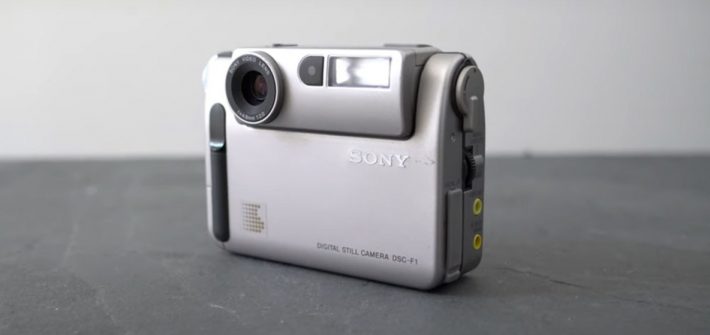
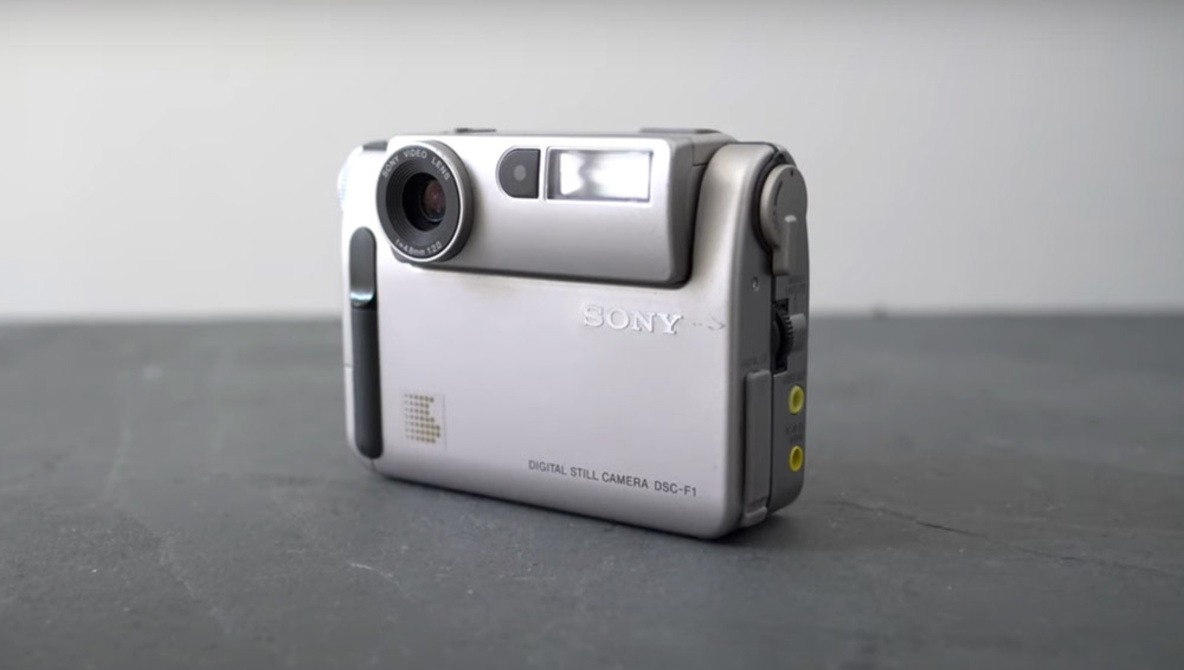
25 years ago, Sony unveiled the DSC-F1, a 0.3-megapixel digital stills camera with a rotating lens. Check out this piece of photographic history as Gordon Laing takes it on a quick tour of Brighton.