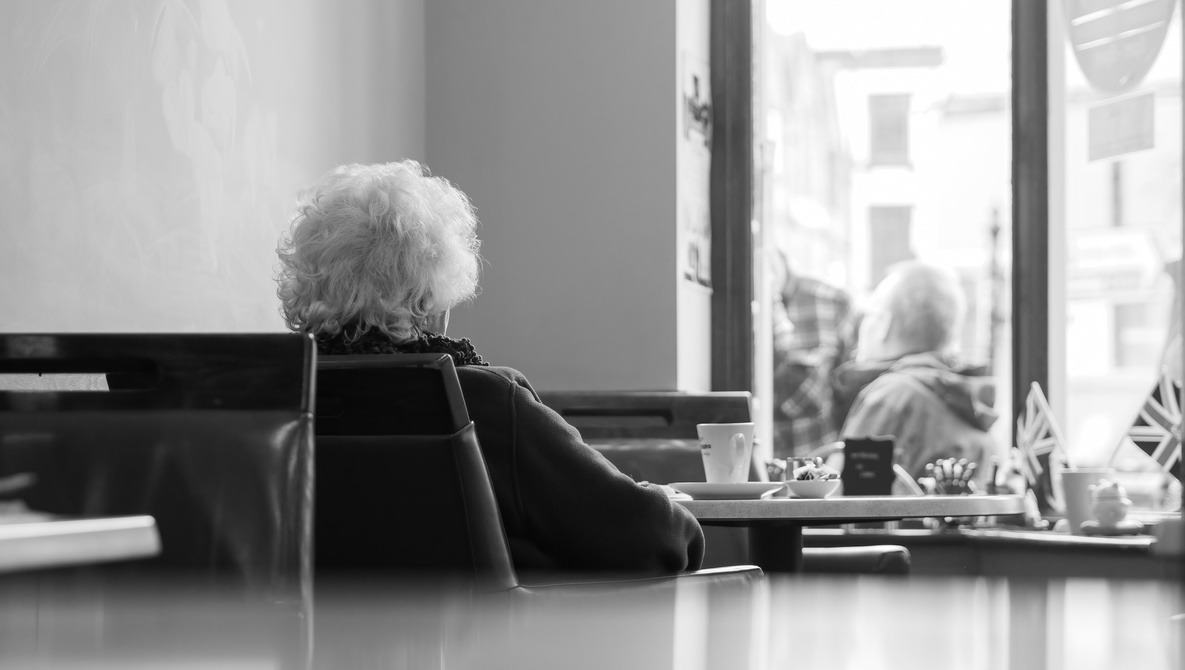
Let’s face it, you are a good photographer, but your chances of being celebrated for your photography 50 or more years from now are slim. But what can you do to increase your chances of being remembered?




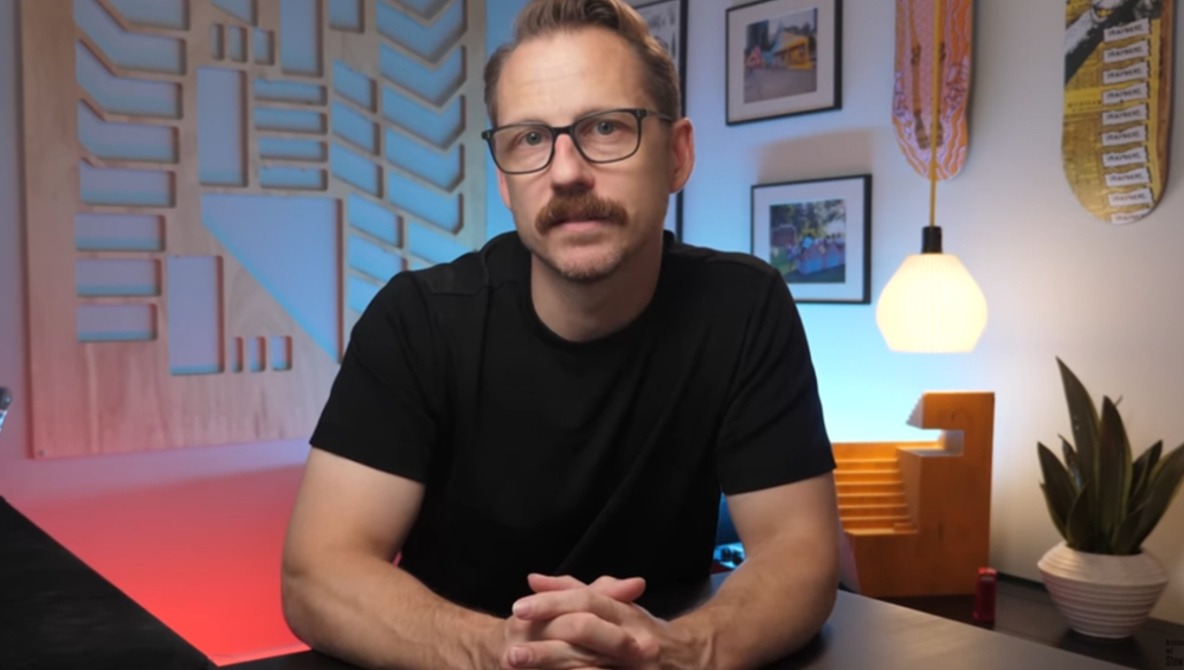
Architectural photography is an art form that is intrinsically dependent on the mind of another creator. Without architecture, there would be no architectural photography. Normally, one wouldn’t imagine this to be a two-way street, but this insightful video posits a different view.




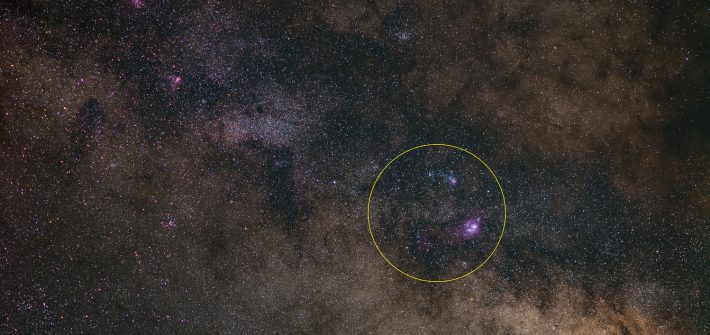
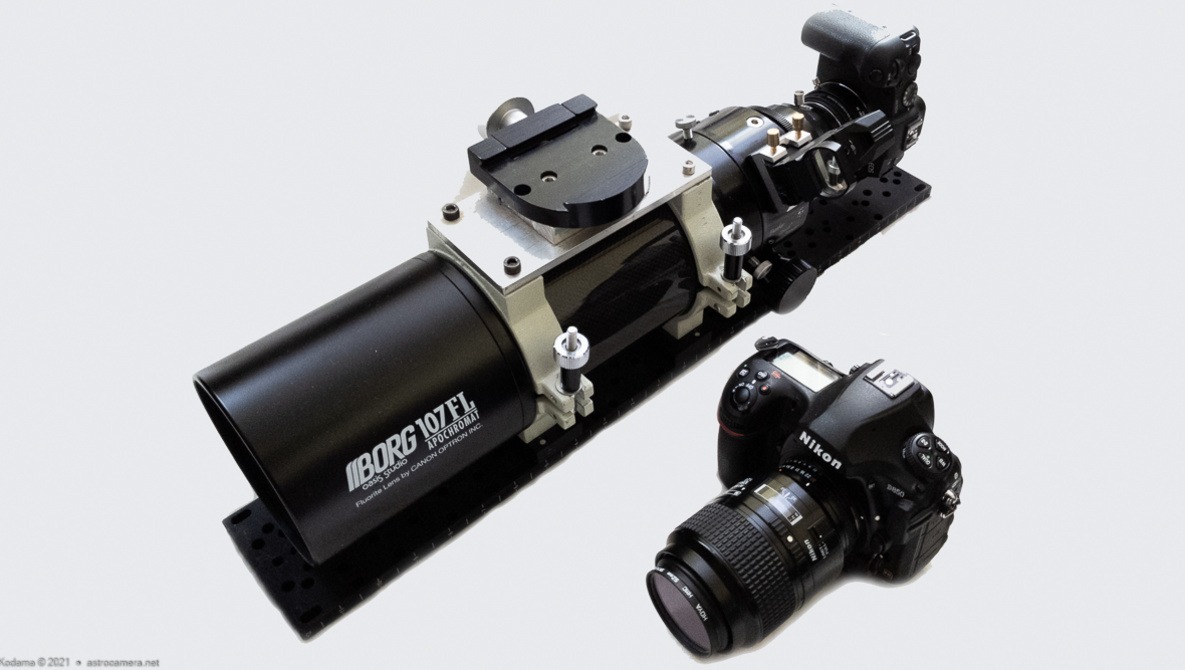
One of the biggest confusions that you might notice as you venture into astrophotography is that photographers and astronomers measure their equipment differently. Photographers tend to refer to their lenses in terms of their focal length, while astronomers refer to their telescopes by the diameter of their opening. Thus, a 75mm f/6 telescope has a focal length of 450mm. Meanwhile, a 75mm camera lens at f/6 has an aperture of 12.5mm. If a photographer is told that someone is shooting a 155mm lens hand-held, it would not raise an eyebrow, but an astronomer told the same thing would be incredulous! I can only barely lift my 155mm telescope onto its mount!




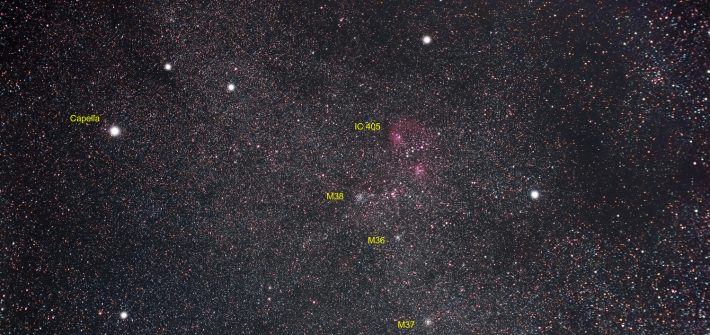
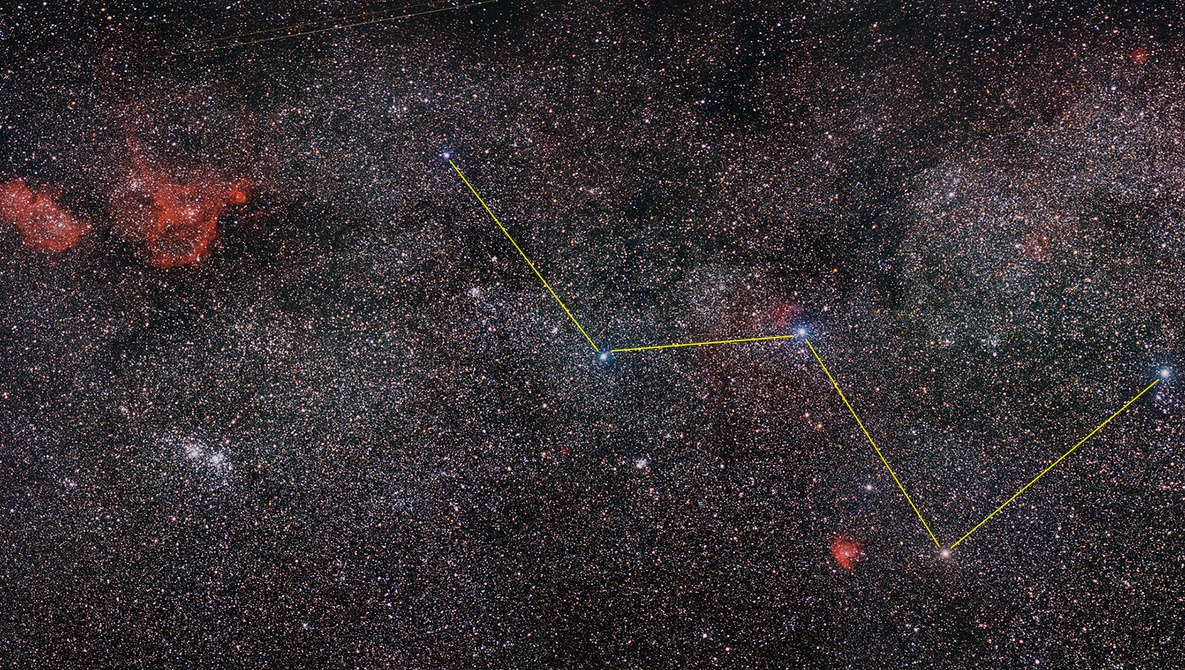
Fall tends to be a “transitional” season for the astrophotographer. Summer constellations are still visible for early evening, but are quickly fading into the sunset. Late in the evening, some of the prominent Winter constellations are starting to come into view. In a few months these winter constellations will be high in the sky and well placed for astrophotography, so now is the time to do some planning.




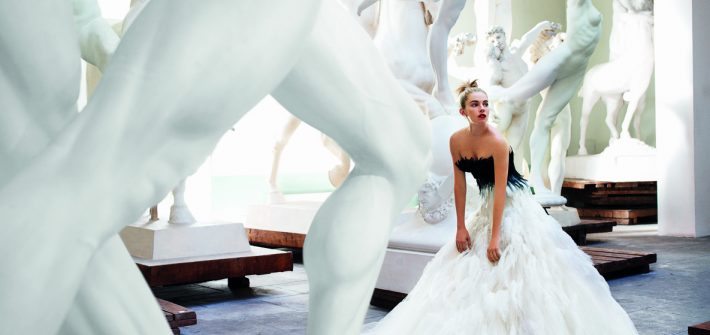
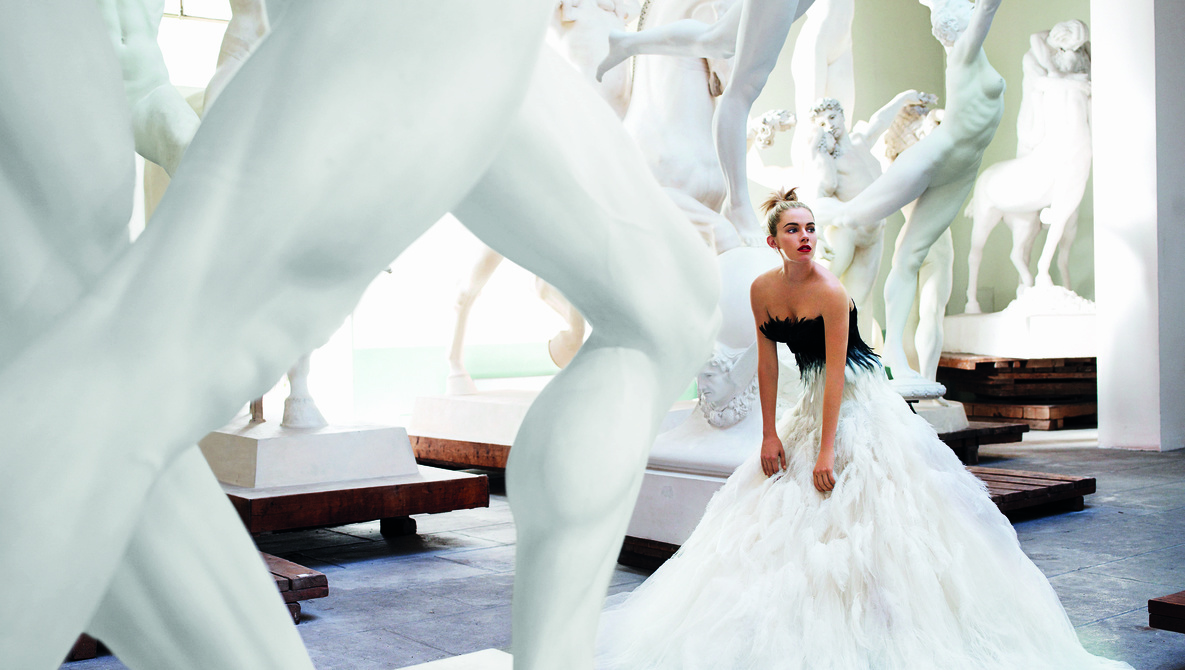
Milan-based gallery 29 ARTS IN PROGRESS is exhibiting photographs by Mario Testino. This exhibition will first show his iconic images and later, never-seen-before personal work of Testino. I spoke to Luca Casulli, the co-founder of 29 ARTS IN PROGRESS gallery, to find out what makes Unfiltered so special to the public, collectors, and even the gallery.




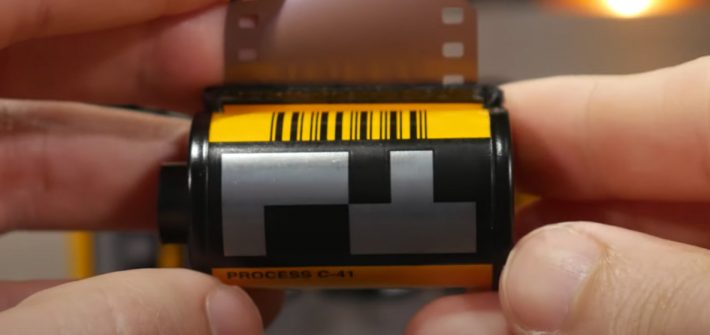
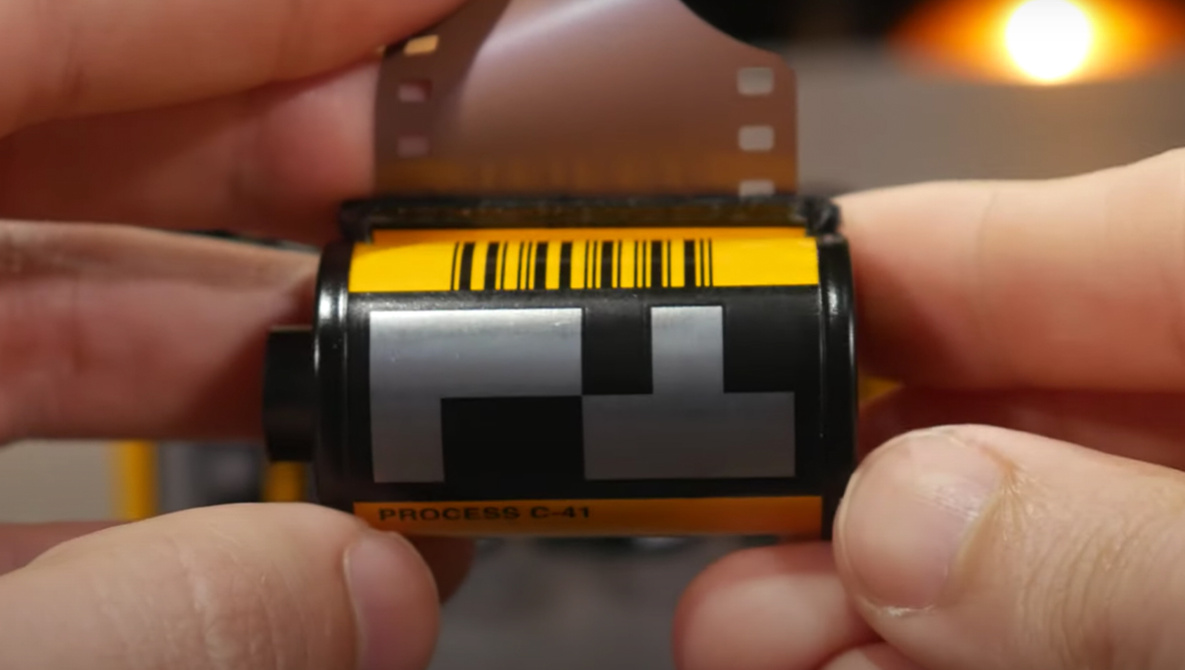
We take a lot for granted in the digital era, particularly the automation of a lot of functions. In the early days of film, everything was fully manual, and even one parameter set incorrectly could ruin an entire roll. Later in the 20th century, a standard called DX (Digital indeX) was introduced, and it automated a lot of settings, reducing errors and making photography more accessible to amateurs and casual users. How did it work? This neat video takes you behind the scenes of the surprisingly sophisticated system.