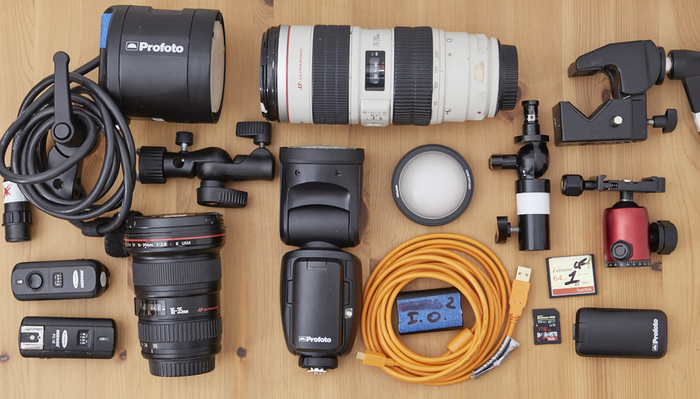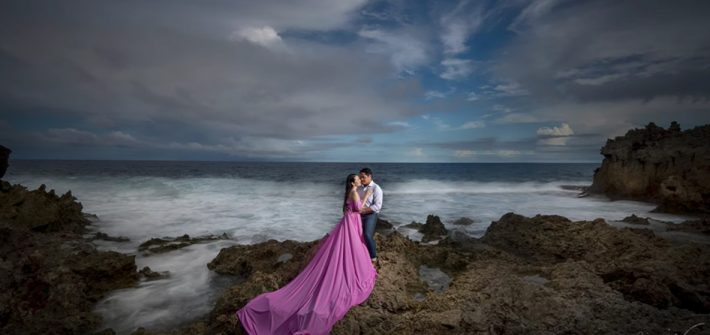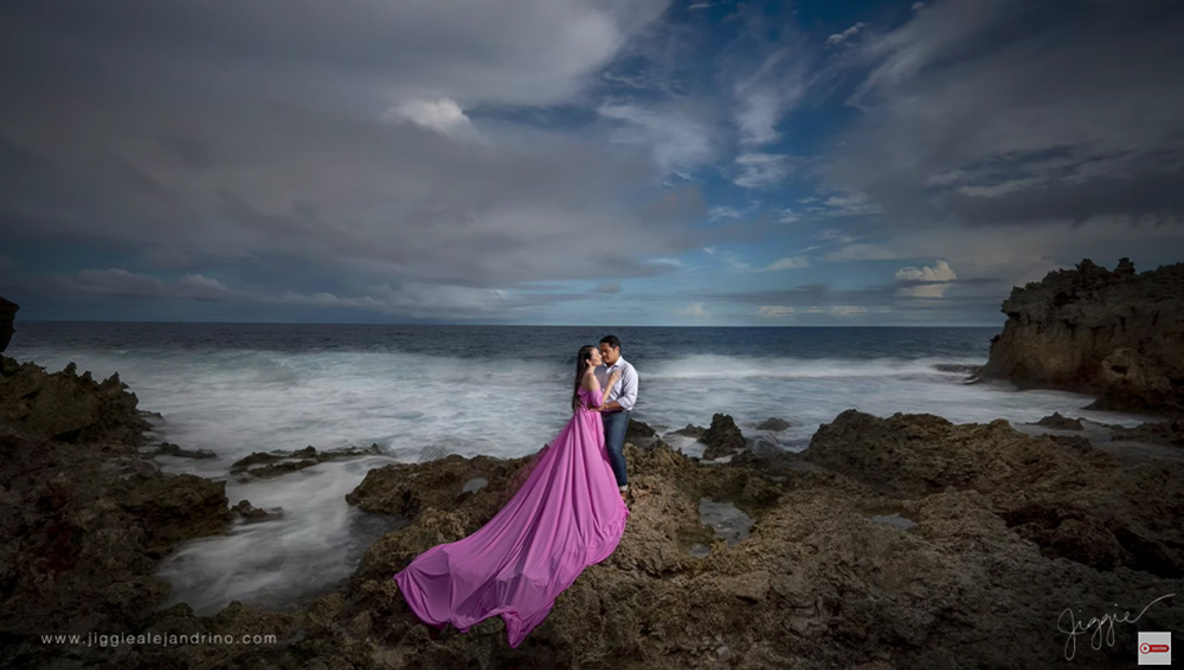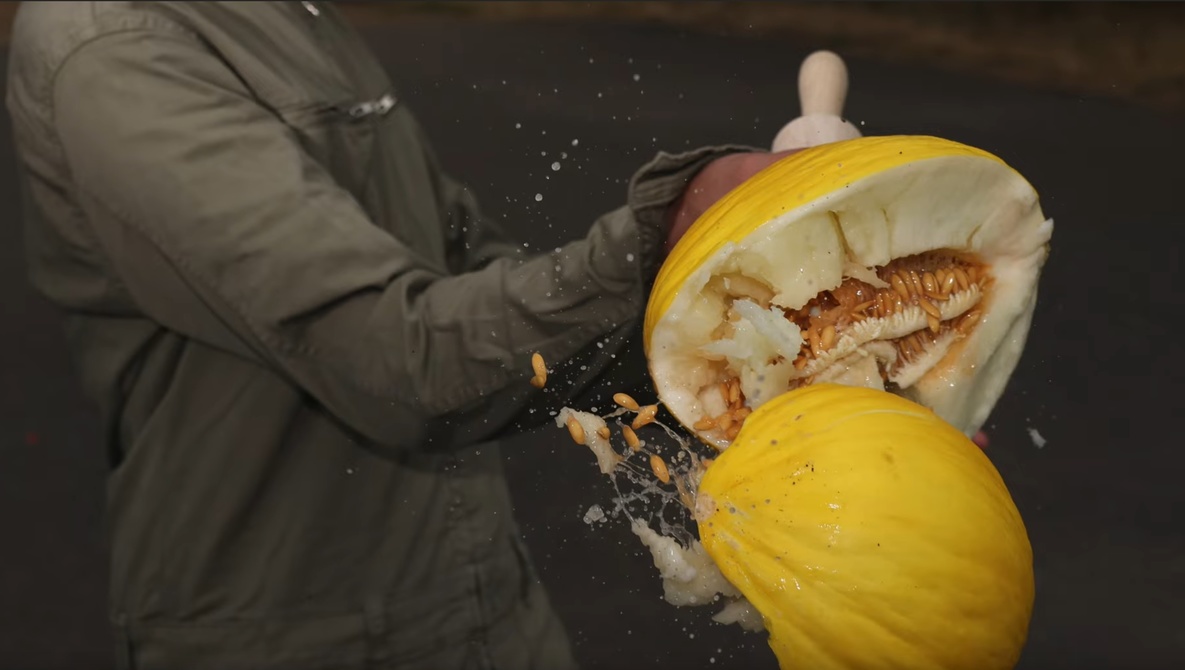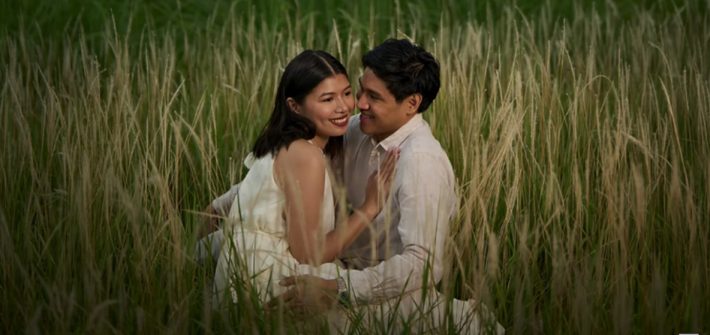
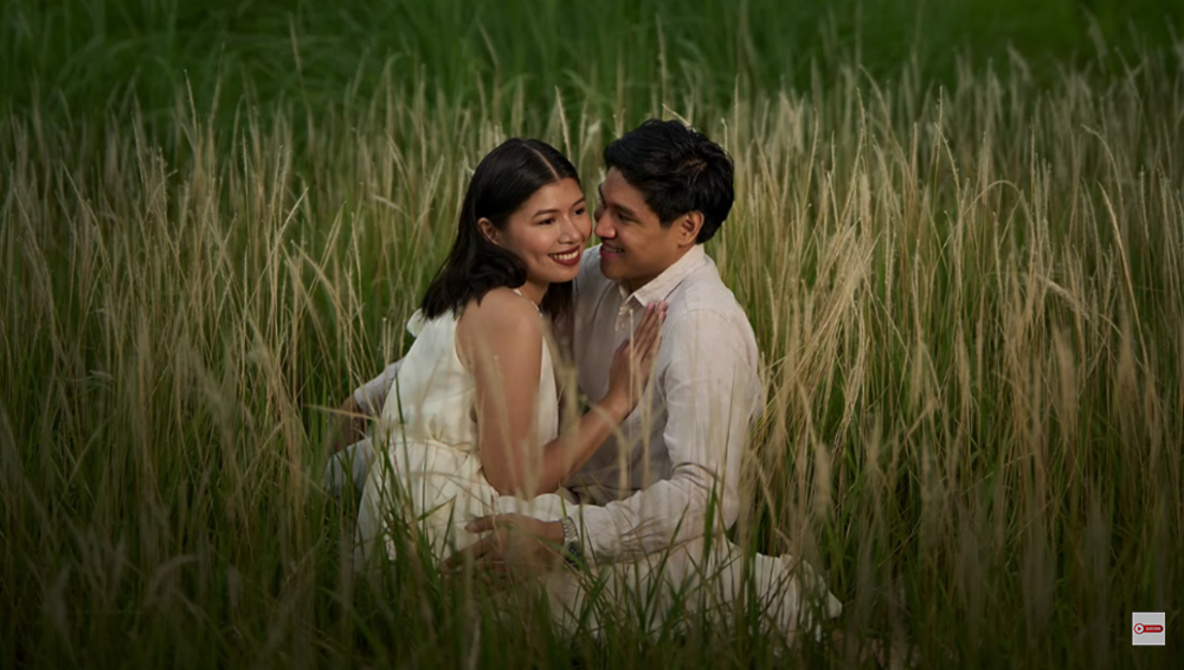
One of the most fundamental skills every portrait photographer should learn is using flash for lighting their images. However, flash is not just for working in a studio. This helpful video tutorial will show you how to use flash for outdoor portrait photography.
Flash
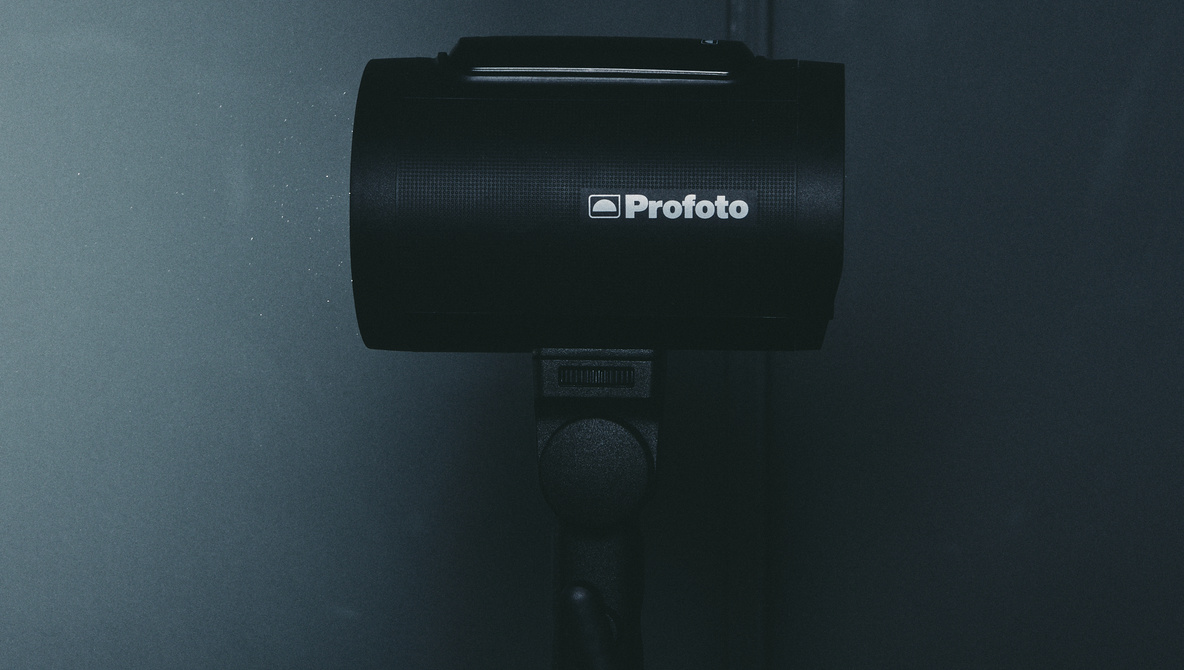
We Review the Profoto A2: A Speedlight on Steroids or an Underpowered Monolight?
Profoto is busy developing their A series line of flashes. Just look at the recent focus the company has put out on the Clic modifiers, notably, launching the Clic softbox, which we reviewed some time ago. A few users commented that the A1 series flashes will be too weak to be used under certain settings with the Clic softbox, which got me wondering if there is a more powerful flash coming along soon. There was: the Profoto A2.
Use Lightroom to Breathe New Life Into Wildlife Photos
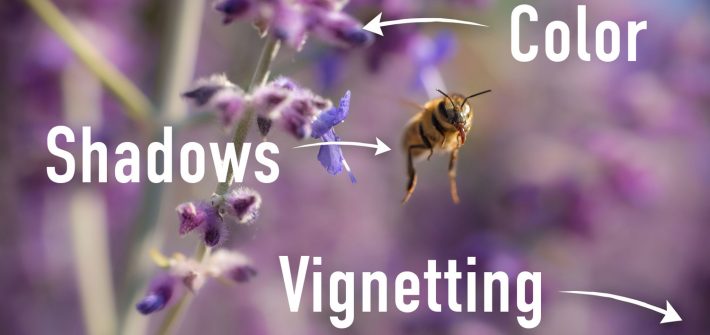
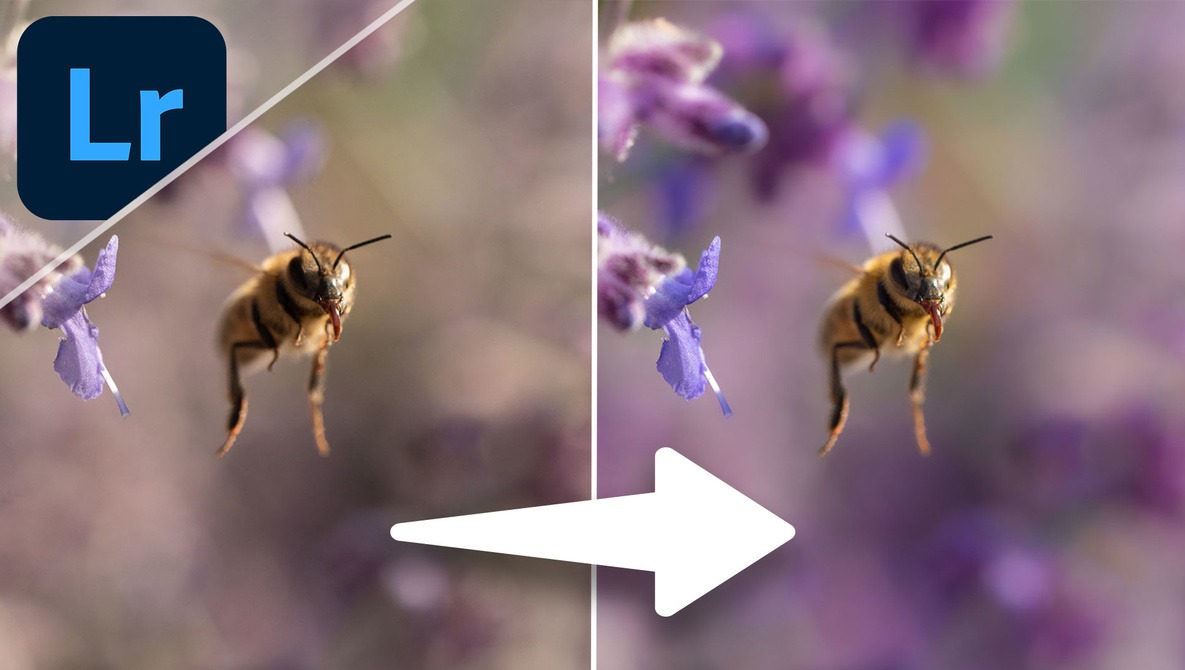
Wildlife photography can be incredibly rewarding when things go right, but it’s incredibly difficult to master. That’s why when you have a good photo that’s let down by a few of the camera settings, you should use Lightroom to transform that drab shot into something much more beautiful.
3 Basic Flash Techniques Every Portrait Photographer Should Learn
When you are new to working with artificial light, it can be a bit overwhelming trying to balance all the technical and creative aspects while also posing your subject and controlling the camera. If you are a beginner and looking to improve, check out this great video tutorial that will show you three flash techniques every portrait photographer should know how to employ.
Should You Use ND Filters or High-Speed Sync for Flash Photography?
A lot of photographers like to use a shallow depth of field for portraiture; however, if you are lighting your subject with flash, you will be limited by the flash sync speed of your camera. There are ways around this, however: high-speed sync and ND filters. Both come with their own pros and cons, and this excellent video discusses which is better for your work.
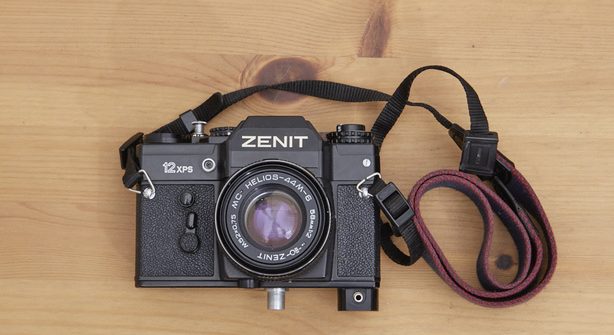
A Modern Approach to Film Photography With Flash
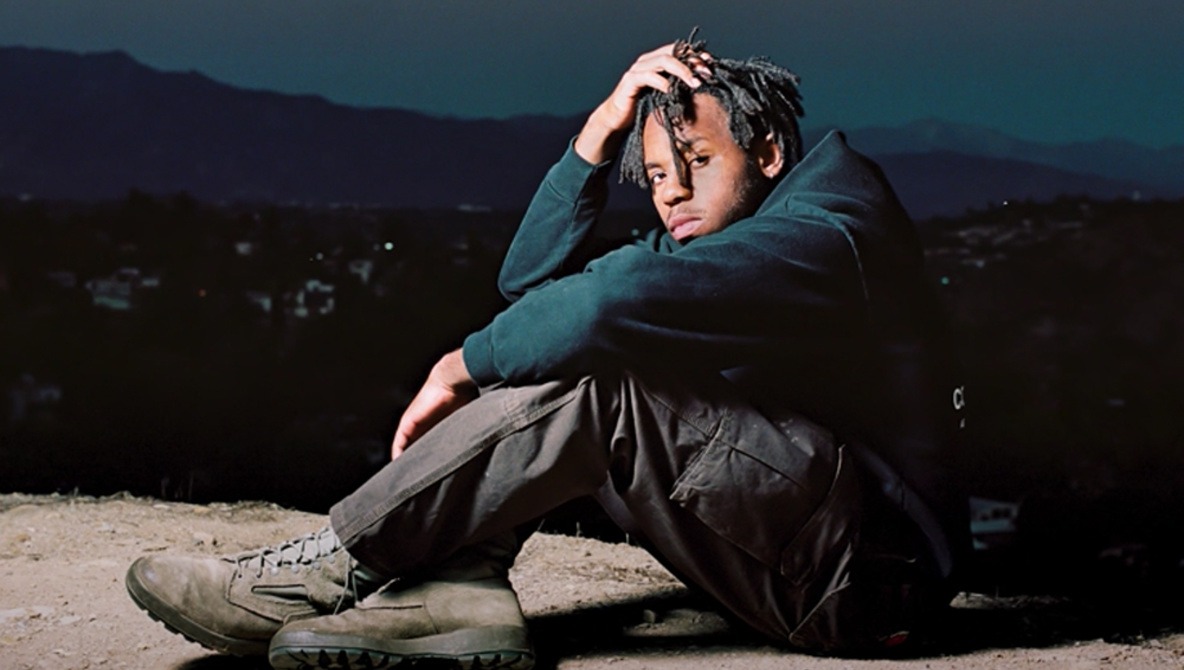
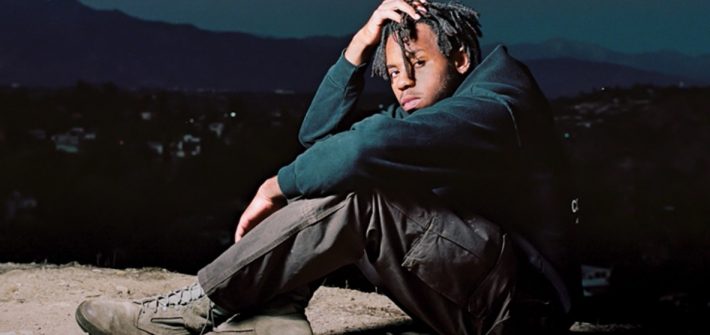
Of course, flash photography existed long before the transition to digital. However, most modern film photography is shot in natural light, whether out of an aesthetic desire or because working with flash and film is a bit of a lost art. Nonetheless, just like digital, flash can open up a lot of creative possibilities, and this excellent video tutorial will show you a modern approach to doing so.