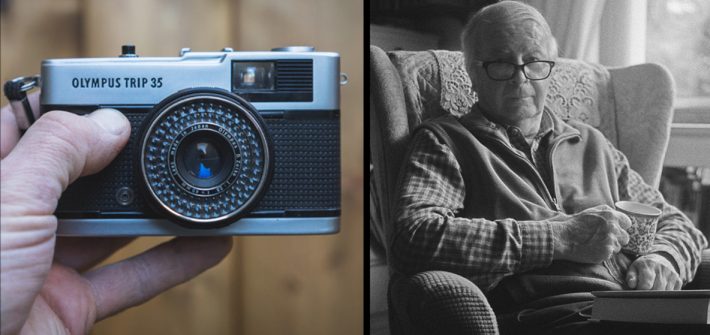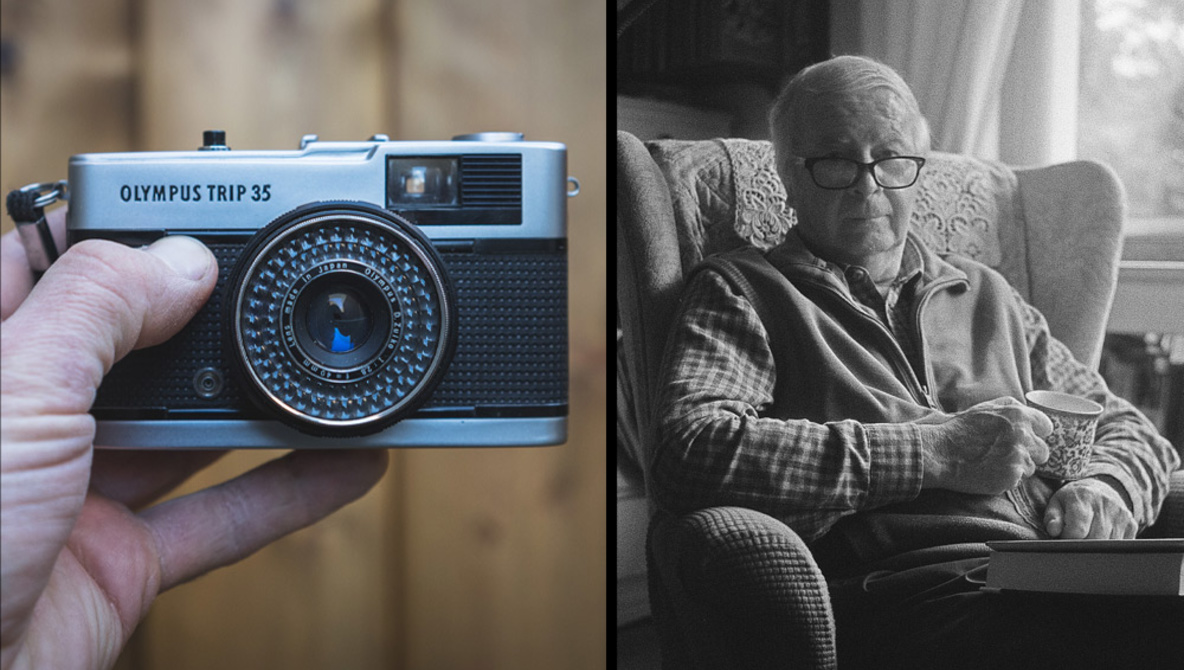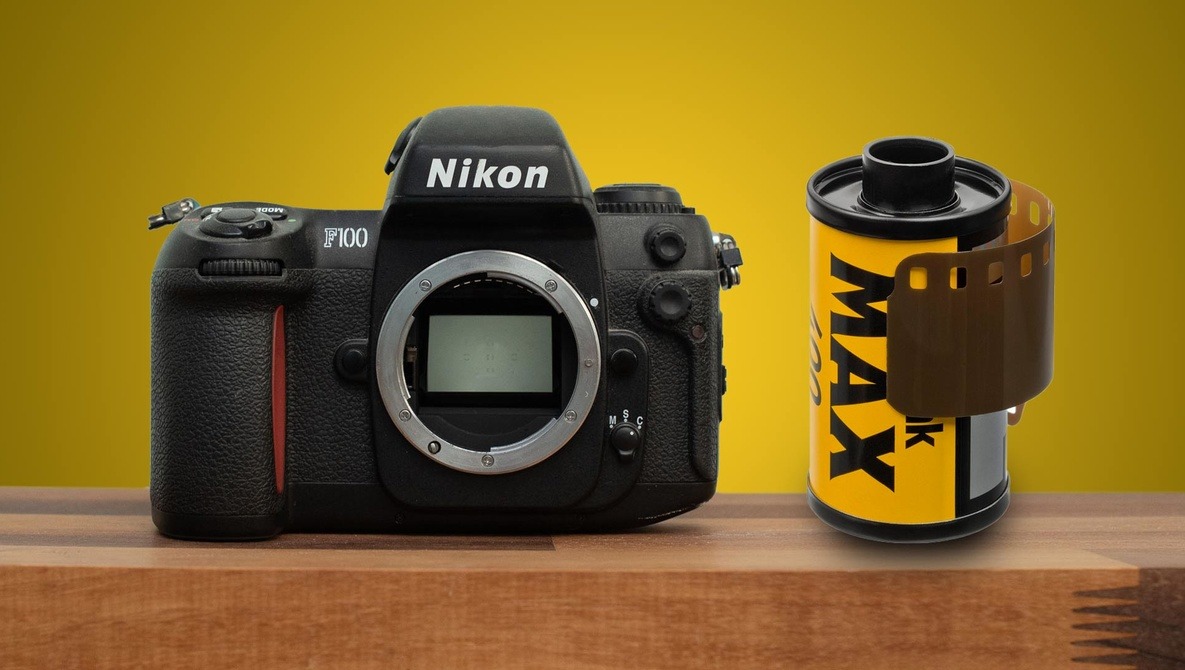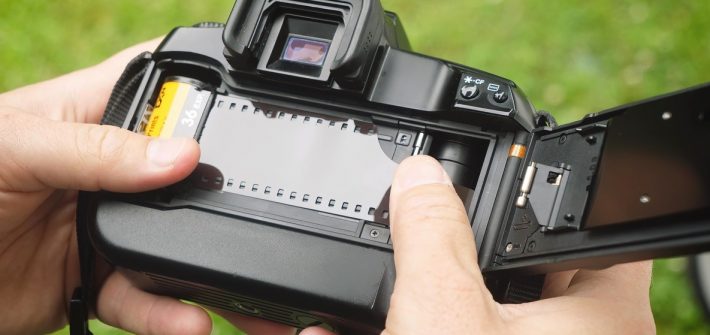
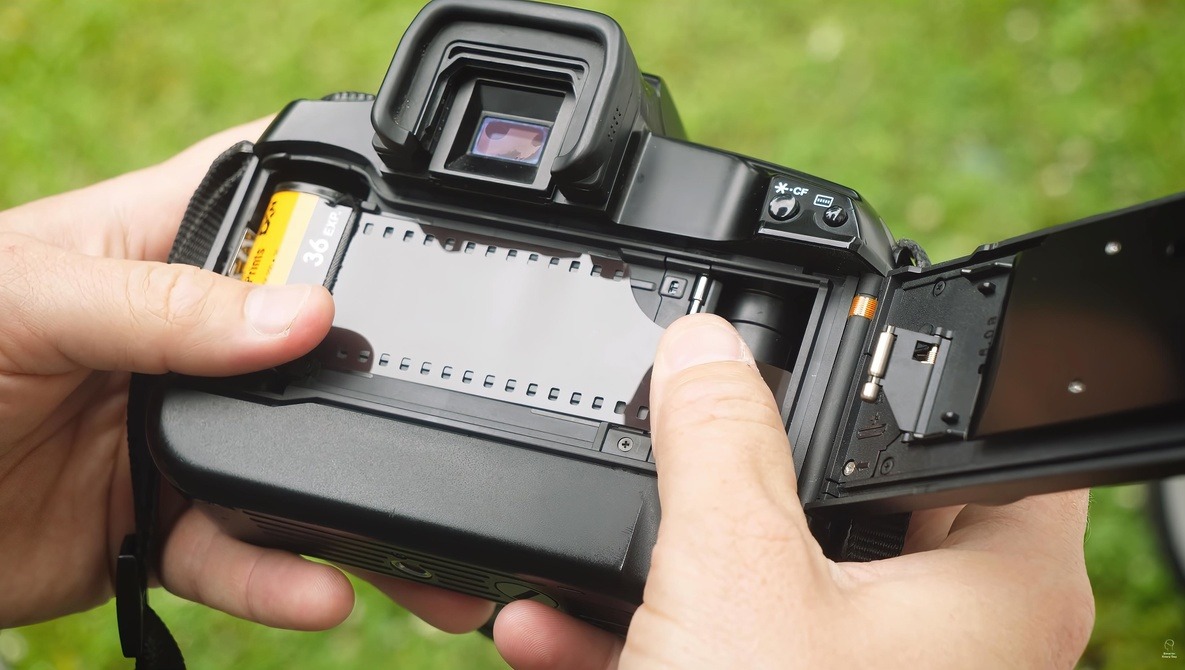
Ever wonder how film works? A recent video from SmarterEveryDay covers this topic in great detail describing how film works.




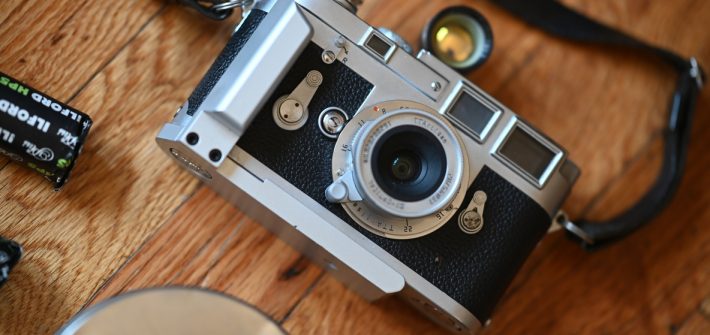
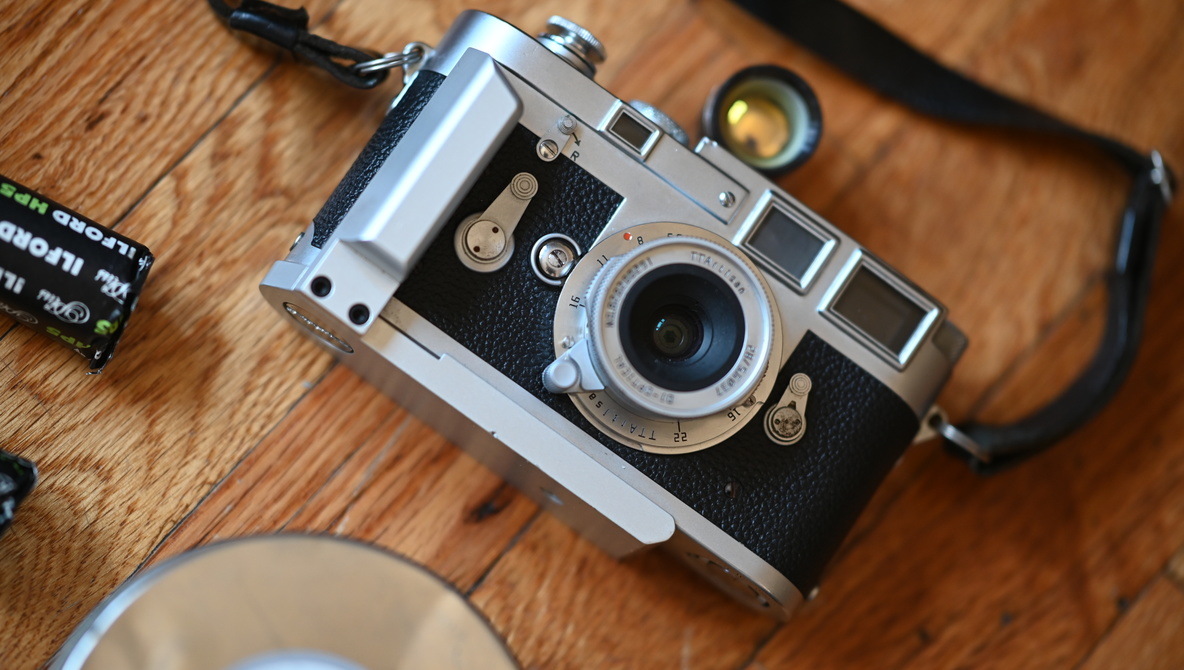
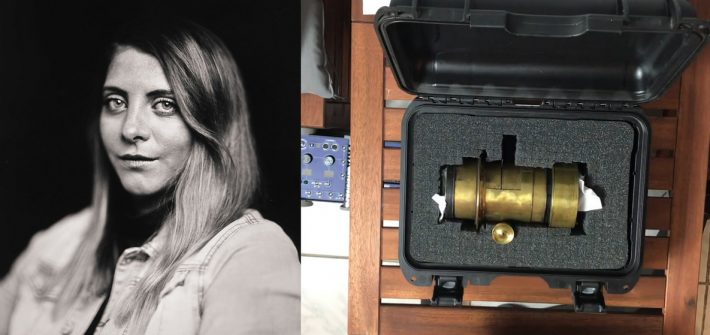
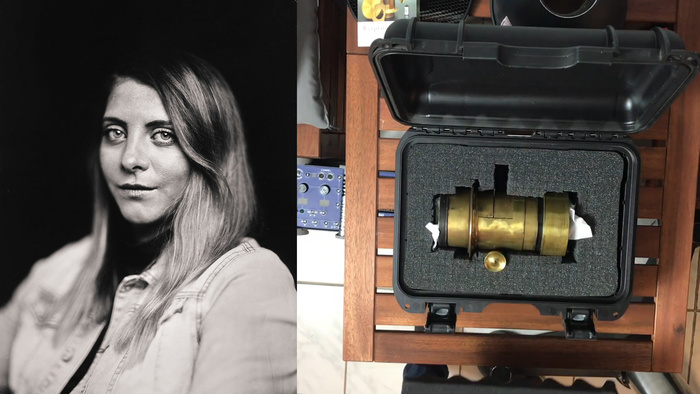
Whenever I’m on assignment, I’ll typically bring a film camera along with me. For breaking news work, they’re not particularly useful; no editor in their right mind is going to wait for me to return home, develop, process, edit, and upload my film frames, no matter how good the final product might be. However, this lens has made me rethink my process a bit.



Let me rewind the clock by a decade: it’s the tail end of 2012, and the NYPD was in the process of clearing out Zuccotti Park in Lower Manhattan. Over the last year, Occupy Wall Street had been picking up steam, with an encampment filling the better part of the park and protests regularly spilling out into the streets.
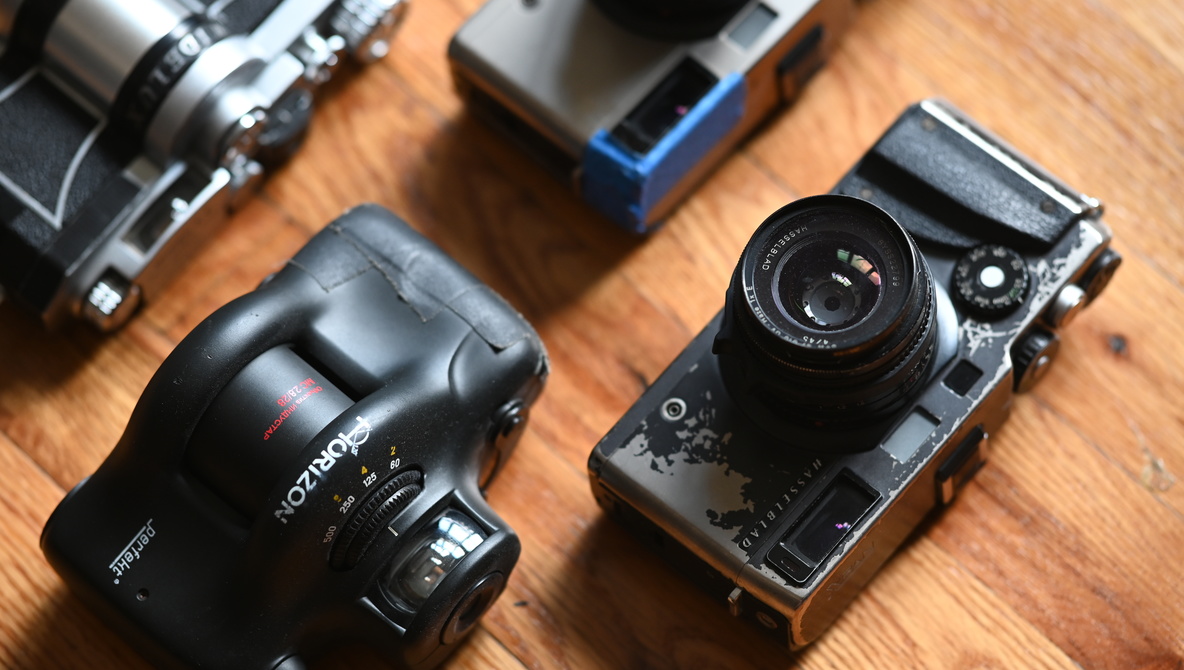
A few years back, I managed to find a beater of a Hasselblad XPan for a song. I’ve tried to find a shooting style that would help me stand out from the crowd, and the panoramic format appealed to me. I didn’t realize it at the time, but this purchase sent me down a rather obsessive path, trying to find the best panoramic cameras for news and editorial work.



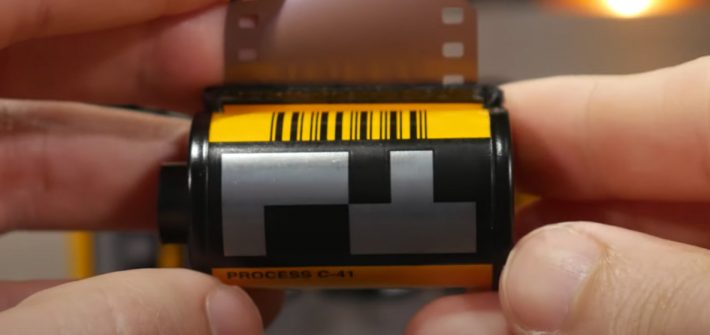
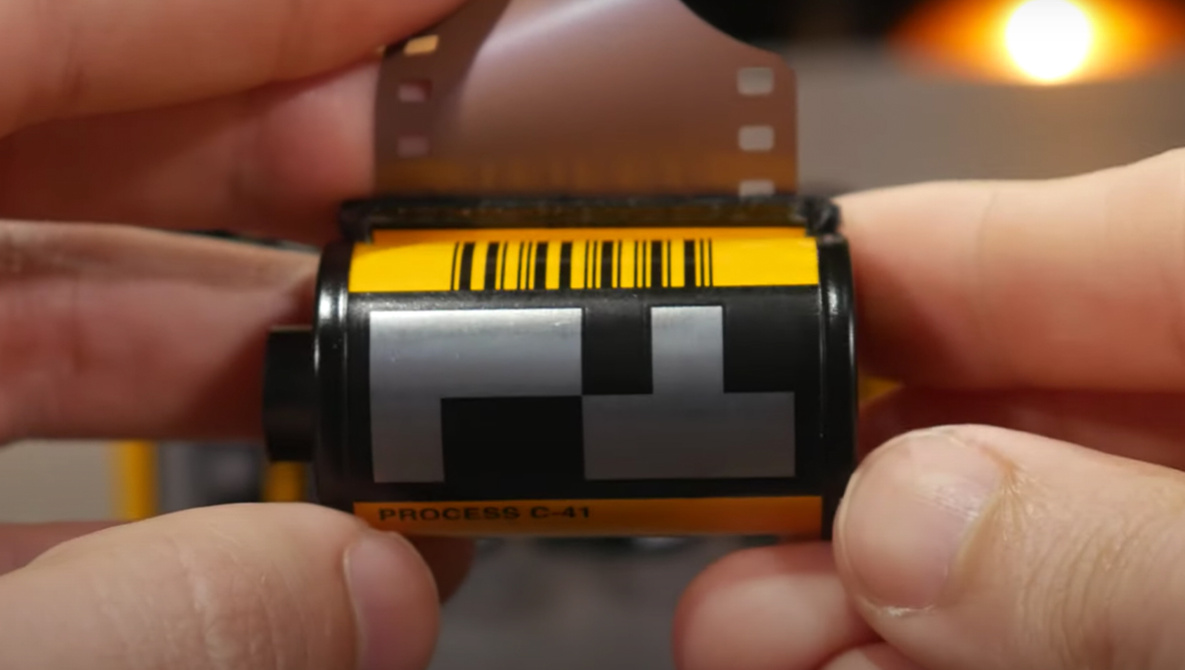
We take a lot for granted in the digital era, particularly the automation of a lot of functions. In the early days of film, everything was fully manual, and even one parameter set incorrectly could ruin an entire roll. Later in the 20th century, a standard called DX (Digital indeX) was introduced, and it automated a lot of settings, reducing errors and making photography more accessible to amateurs and casual users. How did it work? This neat video takes you behind the scenes of the surprisingly sophisticated system.
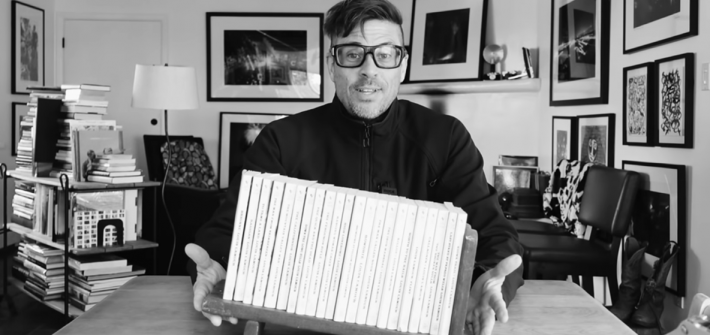
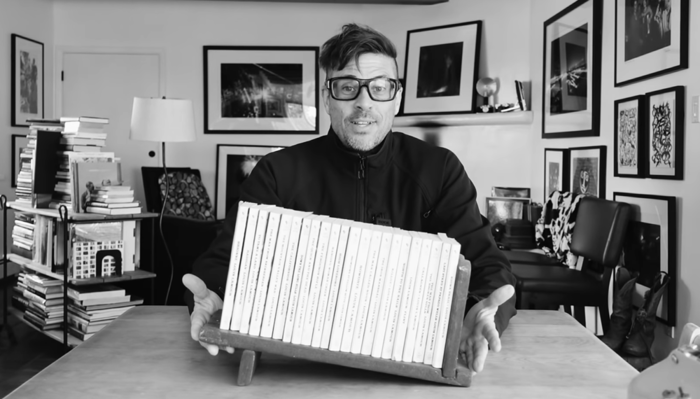
There are many ways in which a photographer can tackle a particular project in order to create a set of images that complement each other. — from color to composition, the list is a long one. This photographer points out some interesting themes which have influenced how he approaches his projects.