
If amidst all the challenges of the changing times and around the craft itself, you’re still really passionate about photography, it probably brings you significant joy. But why?




Improving your keeper rate is desirable, but it also usually plots out your growth as a photographer; the higher your skill, the better your keeper rate. However, there are tips and tricks that are developed for the sole purpose of improving your keeper rate regardless of skill.




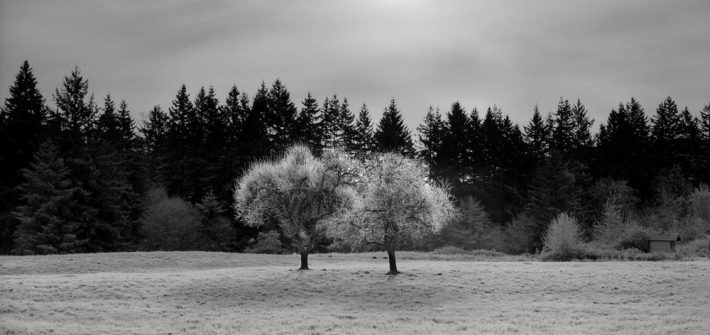

Landscape photography is not my thing. I use it to exercise the fundamentals and have something to do when I need a break from the family on camping trips, but that’s the extent of it for me personally. But I feel for landscape photographers. It’s a crowded field in an already crowded profession. It’s hard to make your images not look like everyone else’s, especially when everyone has access to the same subject matter you do.





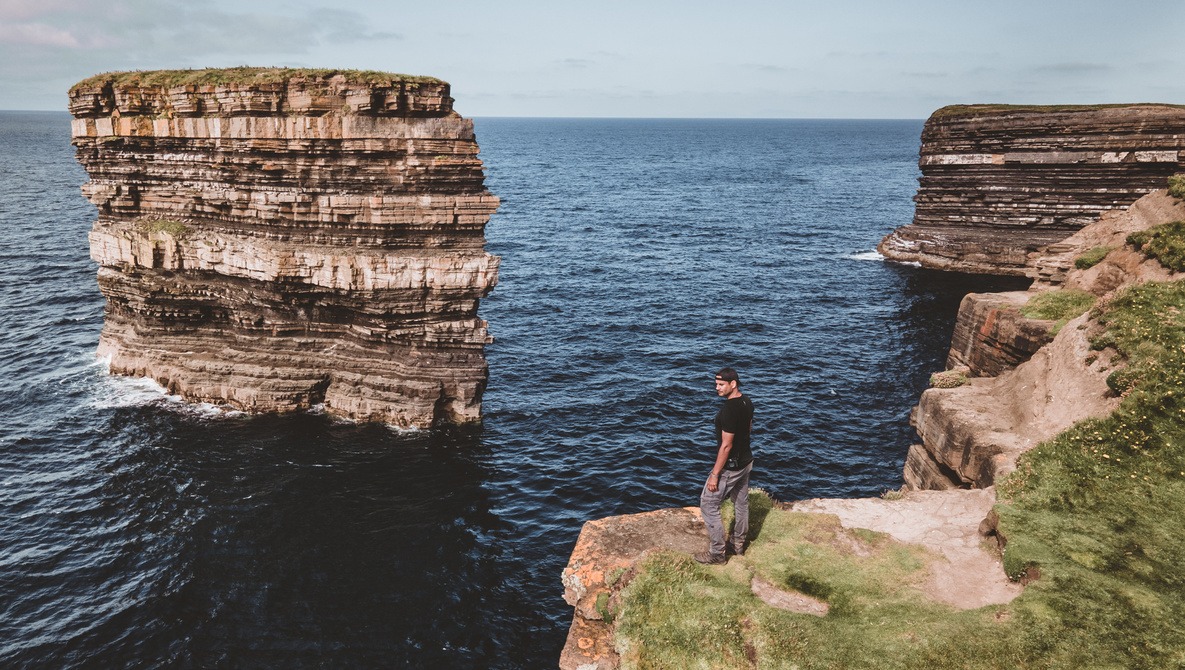
At the start of March 2020, I found myself at a photography convention in Cape Town, South Africa, to present a workshop on travel photography. The central theme of my presentation was the notion that it isn’t necessary to travel to be a successful travel photographer. Little did I know that within a couple of weeks of that presentation, I would be putting my advice into practice as the borders of the world slammed shut virtually overnight.





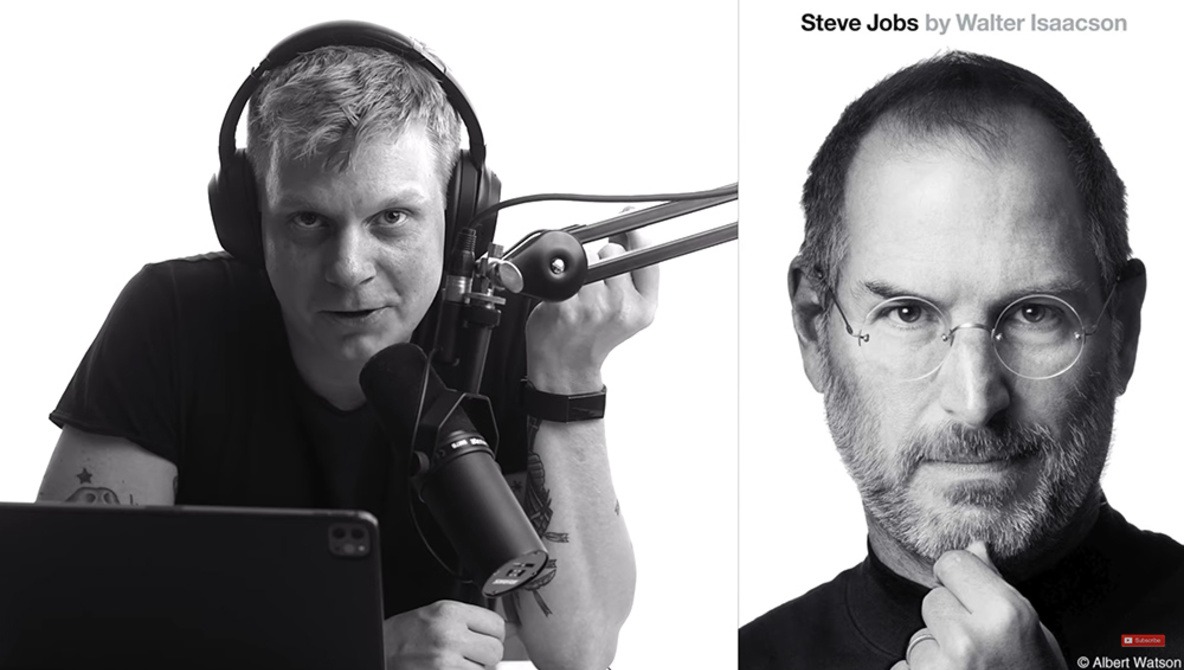
Few photographers are more well known and respected than Albert Watson, and even those who do not know him by name have likely seen his work before. His distinctive style is the envy of a lot of photographers, and this excellent video tutorial will show you how to create that look in your own images.




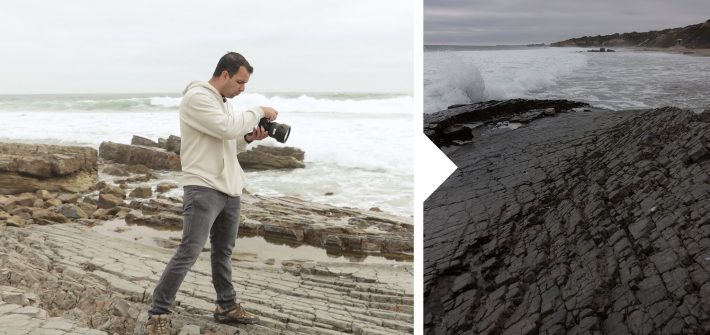

Photographers often look for the “epic” shot — the one that will stand out, get thousands of social media likes, and get printed by our clients for wall art. While these photos are important, it’s also essential to slow down and look for the other images in the scene that help tell a story and capture the vibe and emotion of the moment. In this video, we’ll review a simple storytelling framework called “Wide, Medium, Tight” to help you find these opportunities.