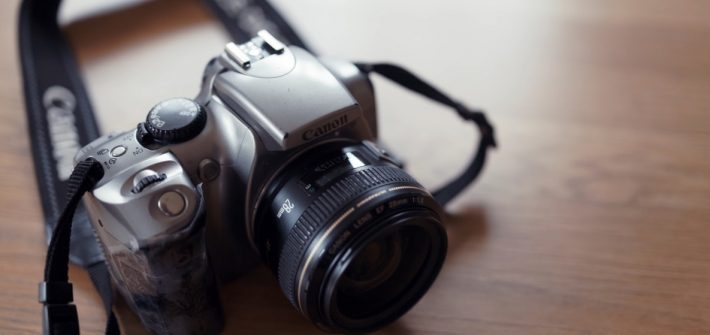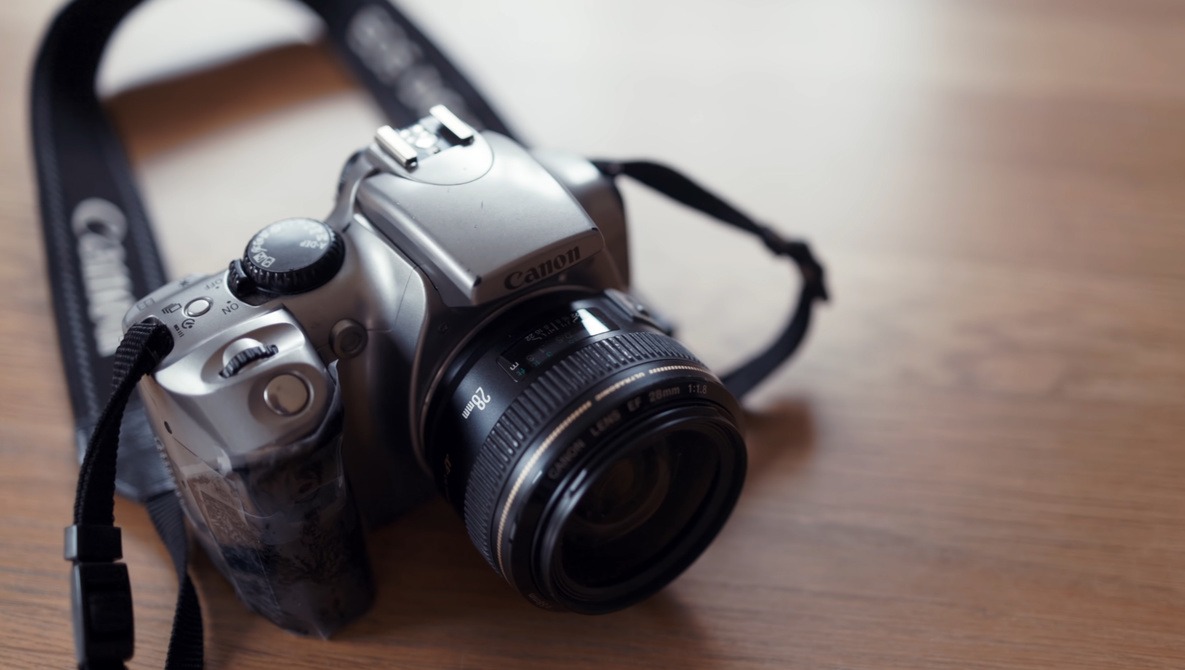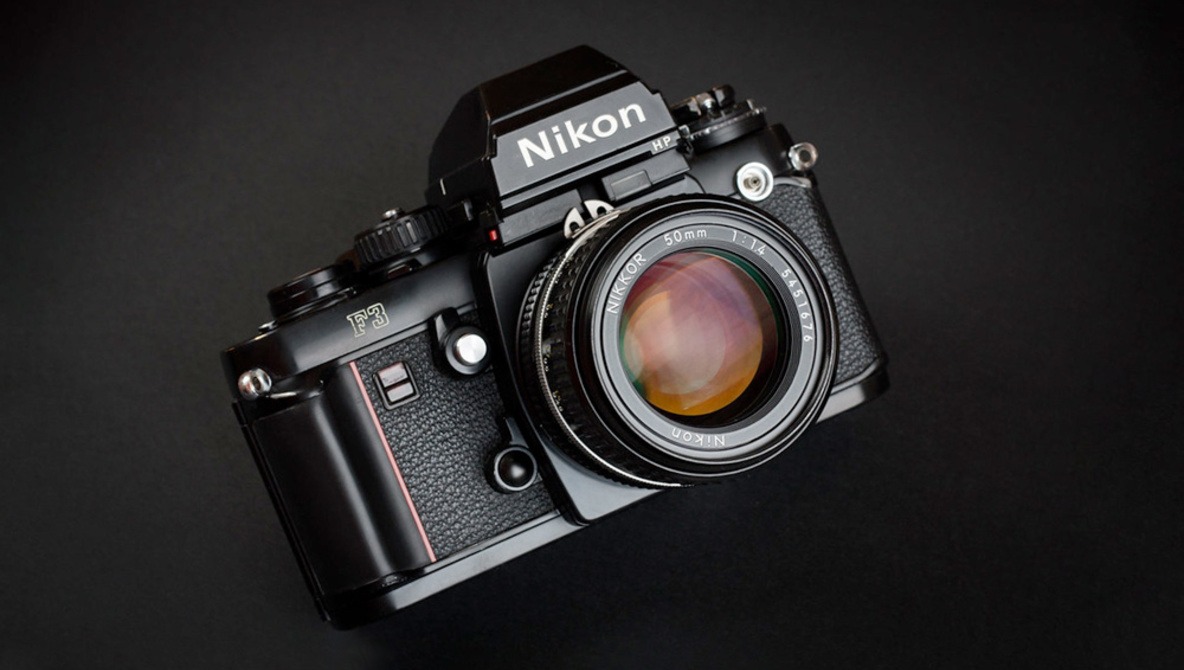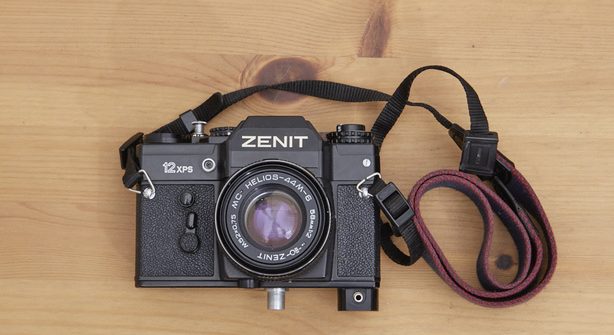
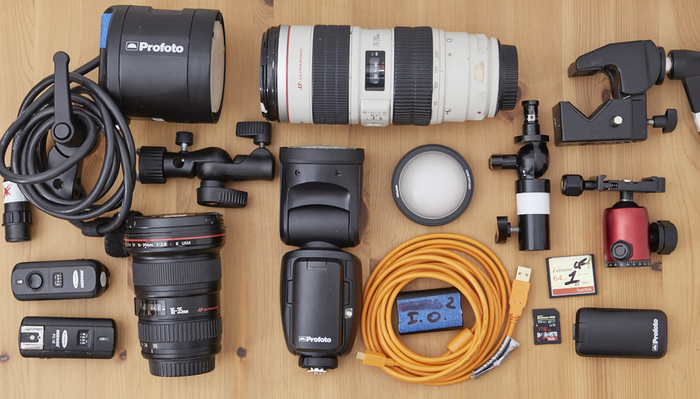
Look at your gear right now. How much of it did you need and how much of it did you want? Knowing the difference between the two can save you thousands and make you a more sophisticated photographer who focuses on art.




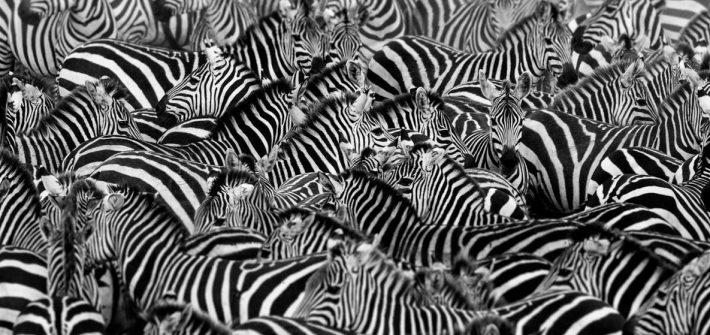
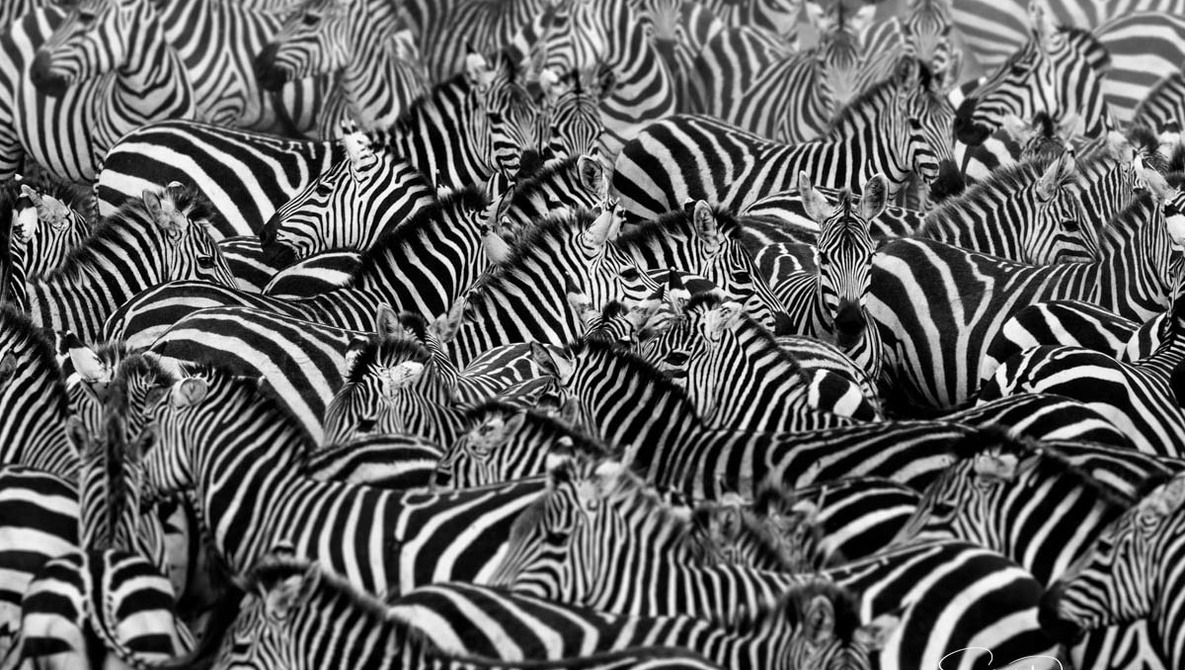
So, what are the best settings for wildlife photography? Most people would argue that aperture priority would be the best way to tackle shooting fast action like wildlife and sports. It gives you the best balance between automatic camera settings (like picking the correct shutter speed) and manual control (like the ability to compensate for exposure).




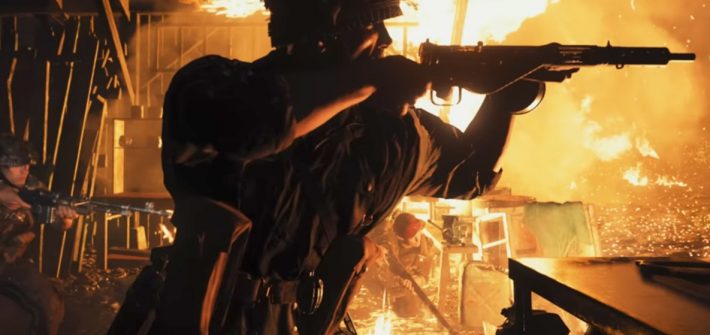
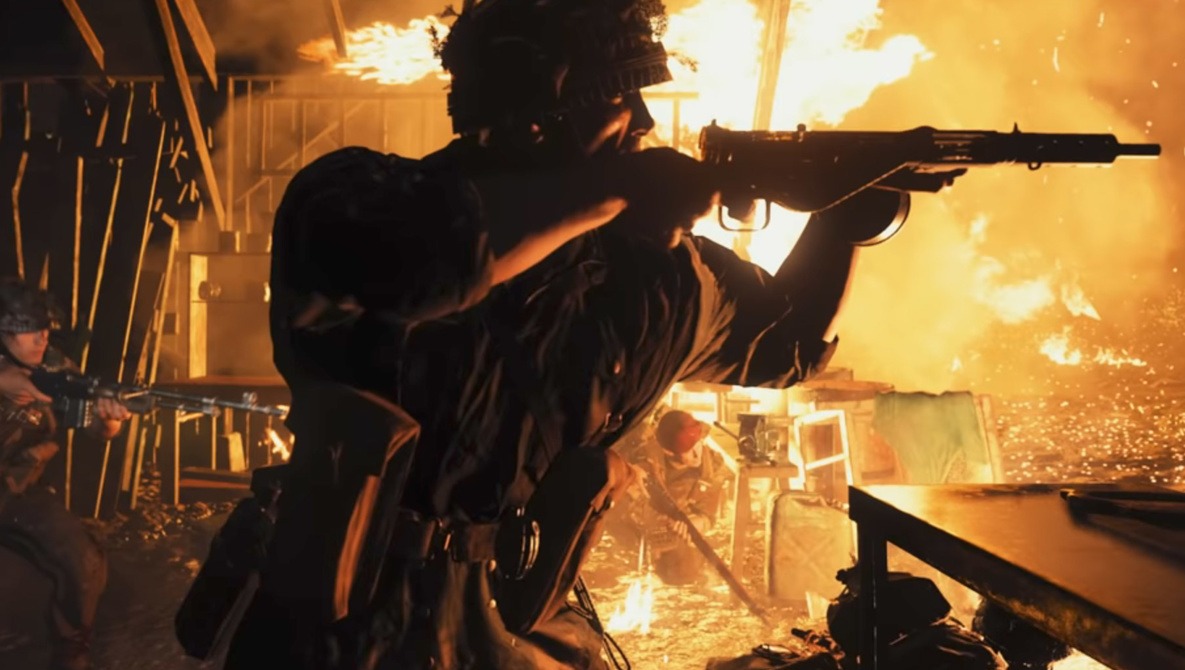
In a few days, Activision will launch the 18th installment of Call of Duty, returning players to the Second World War. To market the game’s new photography mode, two conflict photographers were immersed inside the virtual world and tasked with photographing it. The resulting commercial portrays mankind’s most brutal act of self-destruction as little more than a game of football.




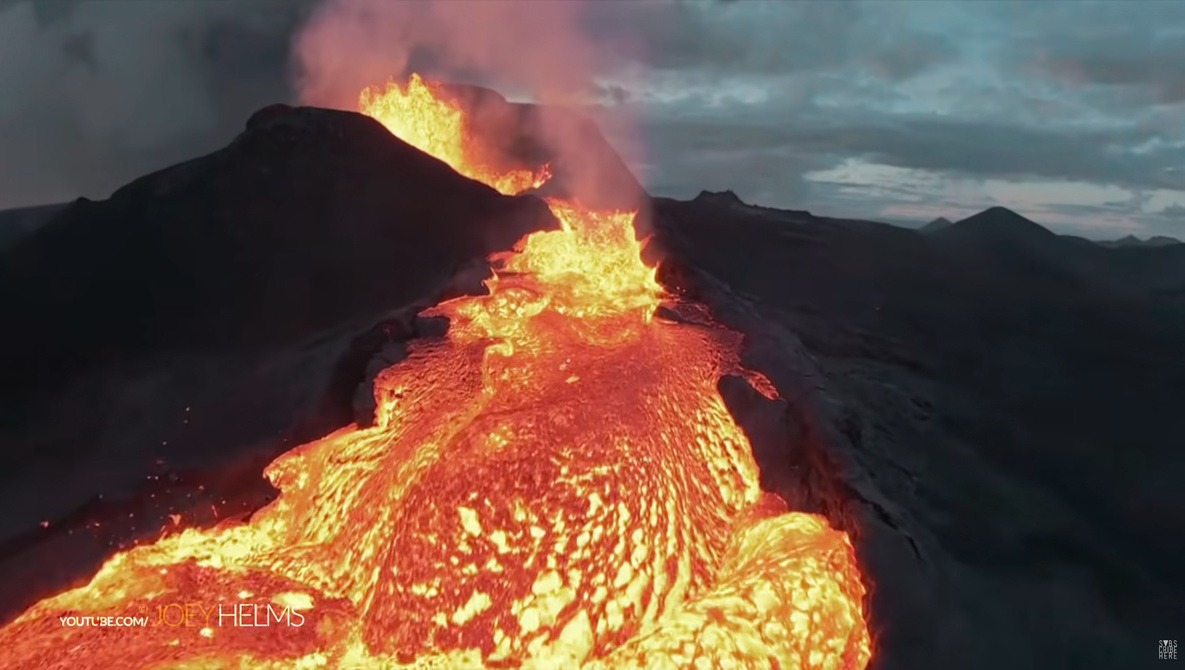
There are few videos I have clicked on faster than a drone filming itself crashing into a volcano in Iceland. This video shows a DJI first-person view drone as it records the rivers of lava flowing out of Fagradalsfjall before plummeting into a fiery death, all in glorious 4K.




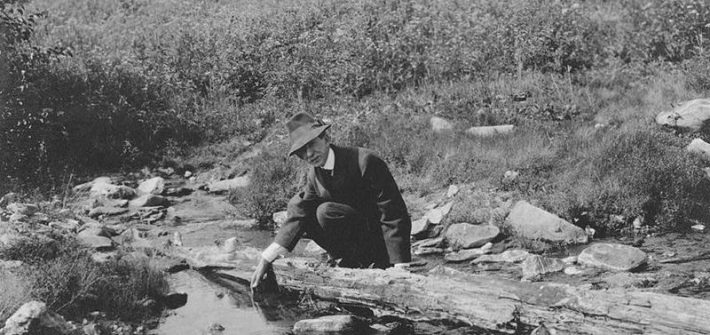
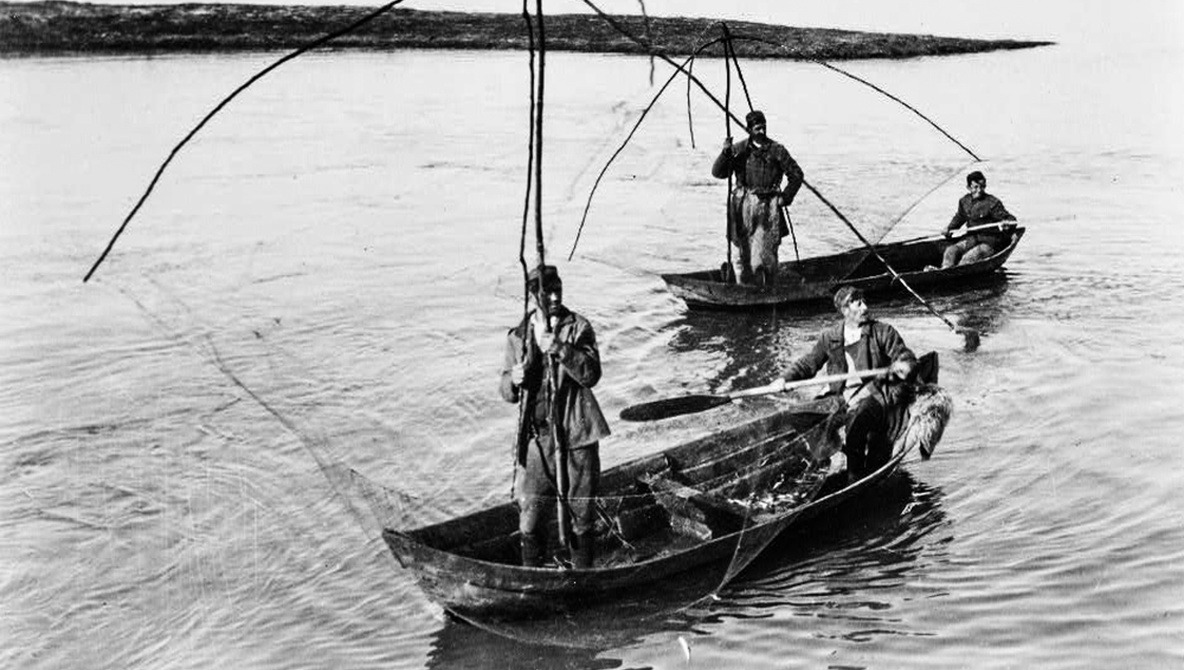
You take photos, you write books, you’re published in weekly and monthly newspapers and magazines, and travel the world with the sole purpose of… traveling. You sound like one of the early social media influencers of the 2010s who was “living the dream,” constantly on the road, distributing a drip of photos and articles to the travel-enthused general public. However, it’s 1888, and your name is Frank Carpenter.




Perhaps one of the biggest moral debates I have with myself is when I look at the good work of “bad” photographers — work that has a life of its own and work that has become culturally significant. Yet, that work has a dark side to it: the creator. Is it possible to look at photographs without ever thinking about the photographer behind them?