Becoming a professional photographer is easy — all you have to do is charge money. With cheaper alternatives for gear and education, here is how the industry has been affected by the lower barrier of entry.
Editing images is no easy task to undertake. Using editing software such as Lightroom or Capture One requires quite a bit of learning and getting used to. However, even if you know how to use editing software, you still need to edit images in such a way that enhances their beauty, rather than destroys it. Essentially, you need to know the why behind the how. Here are some mistakes I made when editing pictures because of not knowing the why.
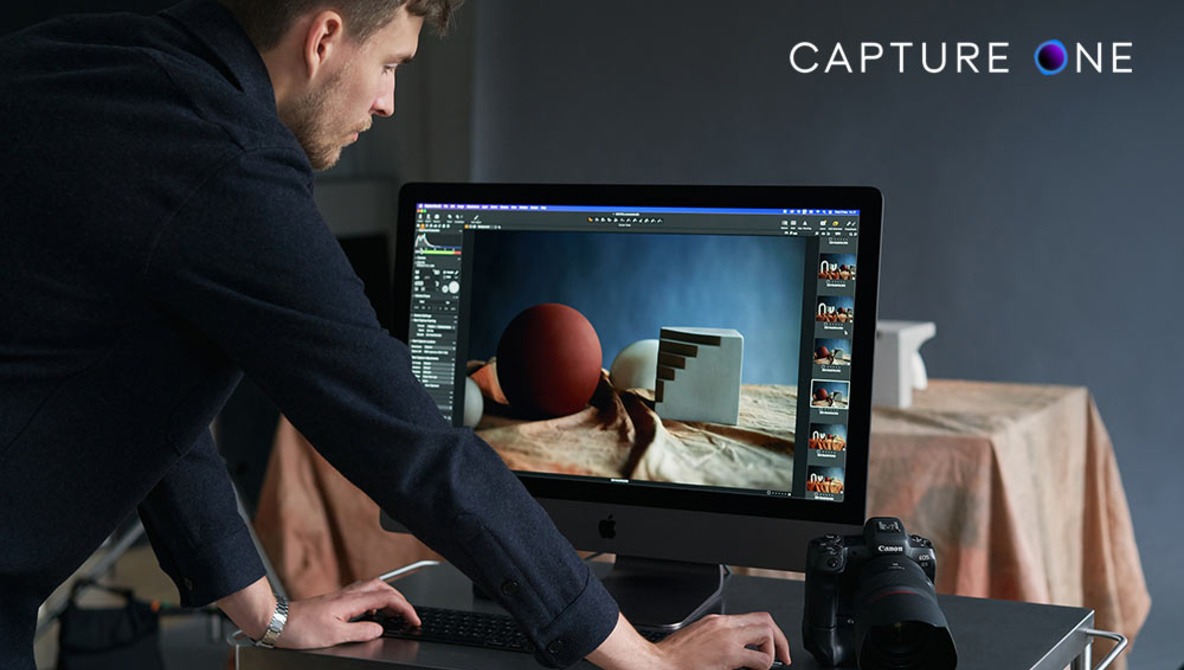
Capture One 23 is here, and fans of the program will be pleased to see that it brings with it a variety of new features and upgrades that make editing easier, more powerful, and more efficient. This helpful video tutorial will show you the new features and how to employ them in your own workflow for better edits.
Nik Tools (now called the Nik collection) has been around since 1995 as an Adobe plugin. Google bought the tools, then dropped them, and DXO rescued the popular photo-editing aids in 2017. They’ve undergone continuous upgrades since then, and this new version will please Mac users with the new M1 chips.
The list of monthly subscriptions photographers are pressured to keep up becomes longer every year. From Dropbox to Pixieset, Adobe to Honeybook, and Shootproof to Fundy, photographers’ monthly bills multiply annually. Now, Capture One wants a piece of the pie, and its community is not happy about the announcement.
When it comes to high-end portrait retouching, Capture One is the choice of many photographers, renowned for its handling of raw files. If you would like to learn how to process a portrait using both Capture One and Photoshop, check out this fantastic video tutorial that will show you how to edit an image for the best results.
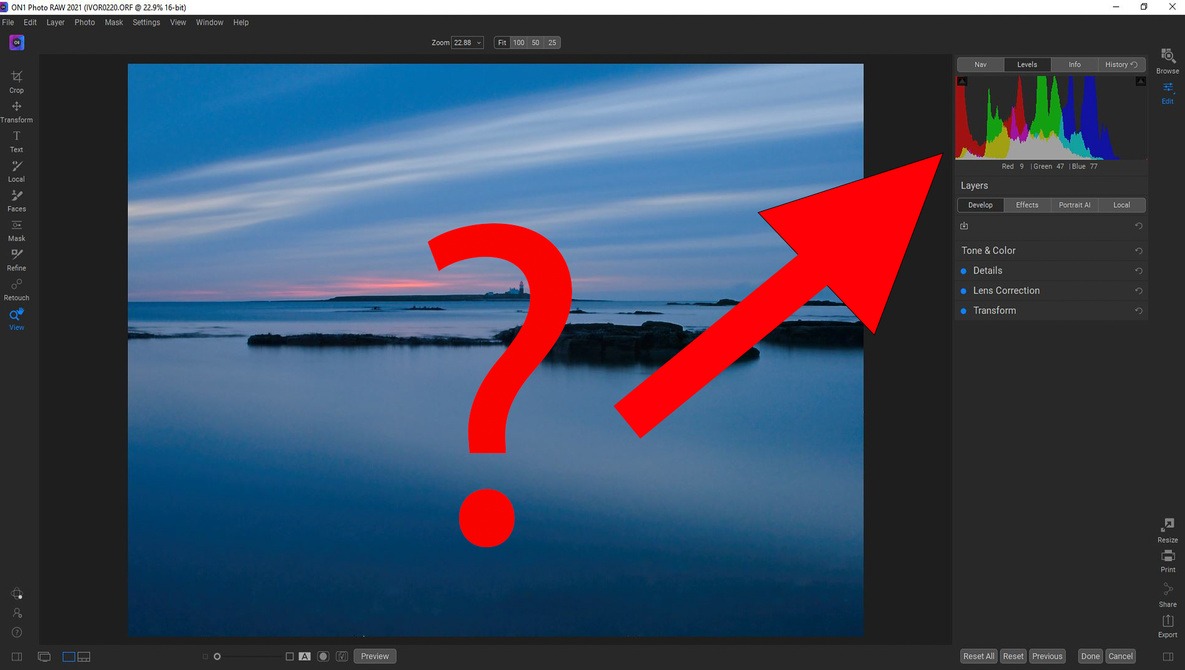
Fujifilm fans have often found themselves hunting around for the best software to process the raw files produced by their X-Trans sensors. Now they have a new option with the arrival of DxO PhotoLab 5.