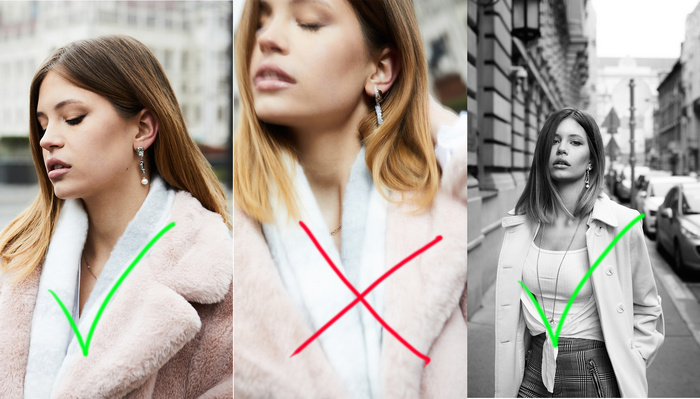
A problem that many photographers face is being unhappy with their photos. This ends up running shoots and makes matters even worse. Some never fully experience the joy of creating that photography can bring.





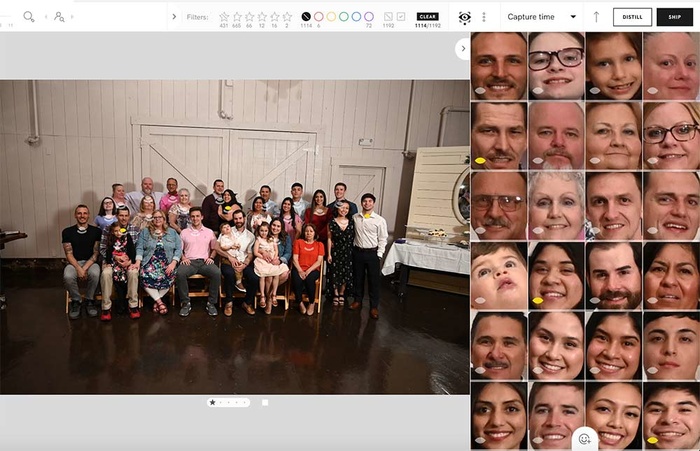
I don’t know about you, but I really hate culling images. I hate waiting for images to load. I hate zooming in to see if it’s in focus. I hate the time it takes to go through so many images. About six months ago, I started using Narrative Select for culling, and it might be the fastest way to cull images.




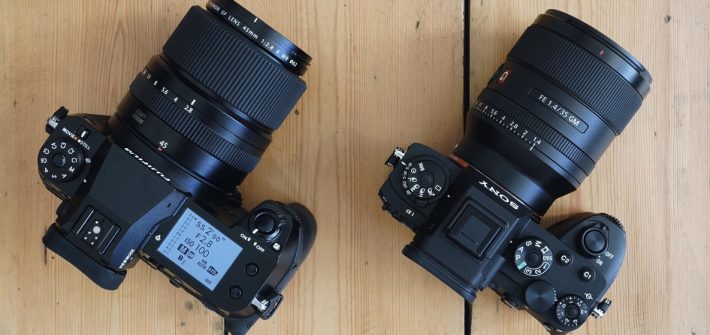
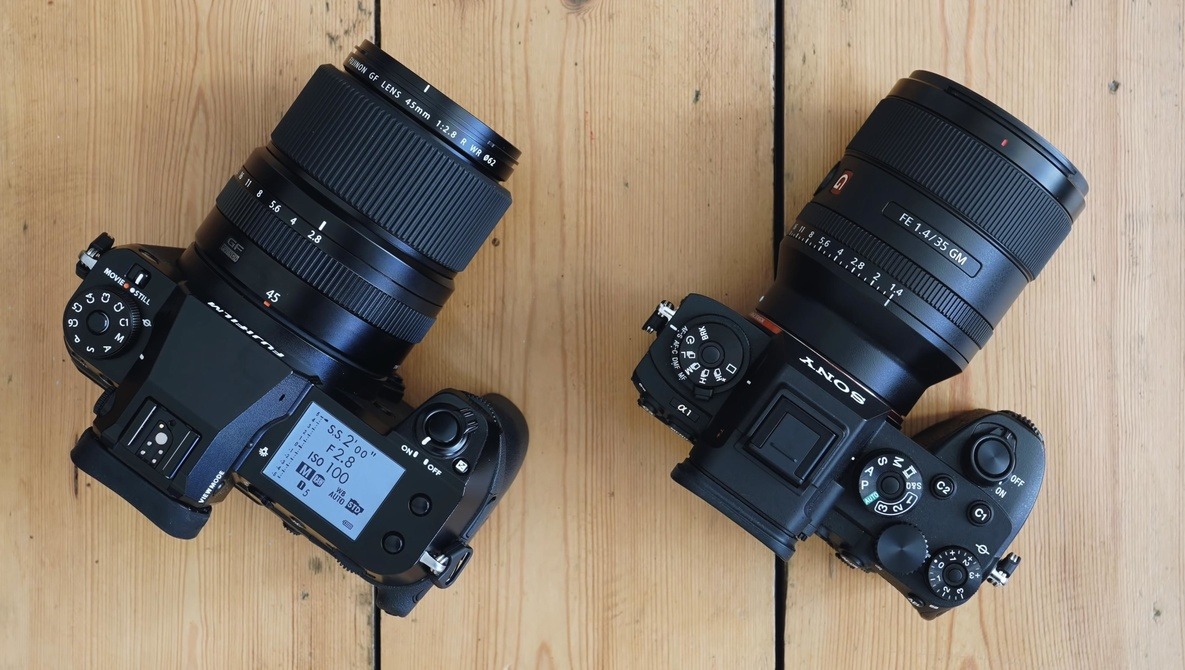
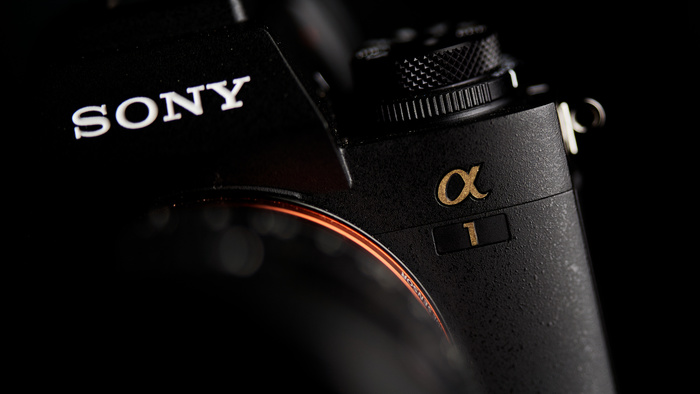
For those of you that enjoy extreme levels of pixel peeping, you’re in for a treat. A recent video compares the image and video quality between the Sony Alpha 1 and the Fujifilm GFX 100s. Although both cameras sit in slightly different categories, it’s interesting to see how both camera systems compare against one another.





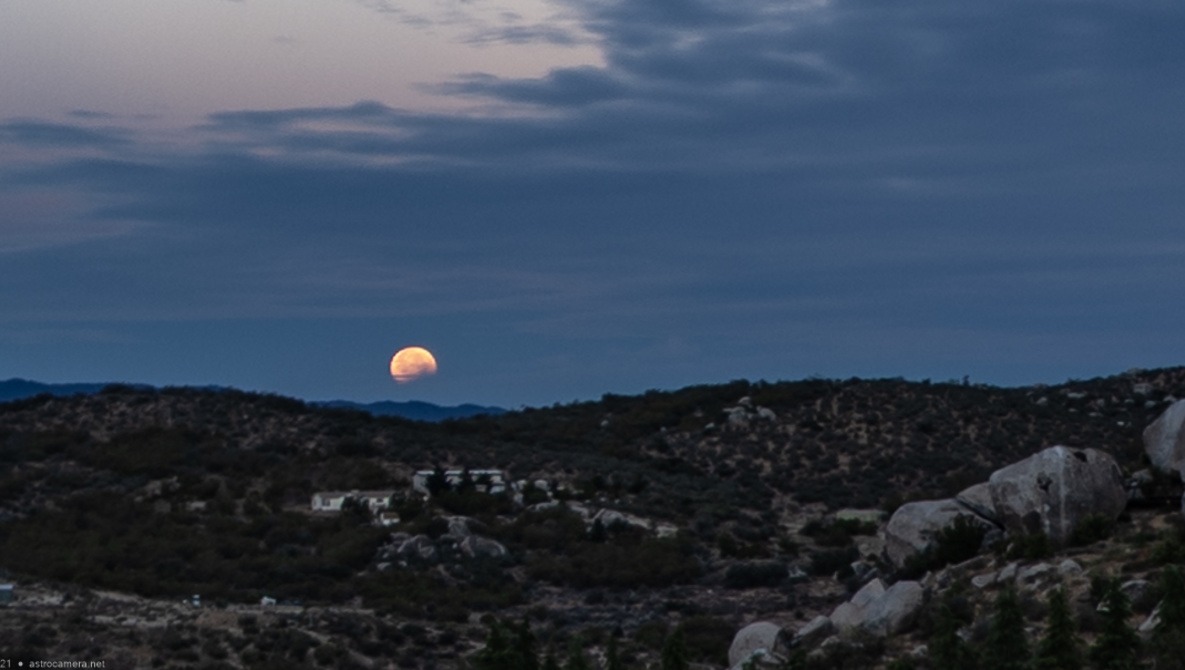
The recent addition of an astrophoto time-lapse mode (uncovered by XDA Developers) coming to Google’s camera app on their Pixel line of phones piqued my interest. Not that I think it will replace all of our “real” cameras, but I do have a deep appreciation for the engineering wizardry required to push right up to the physical limits of a tiny sensor and lens. And as an astronomy enthusiast, any developments that might open an appreciation of the night skies to a wider population get me very interested.




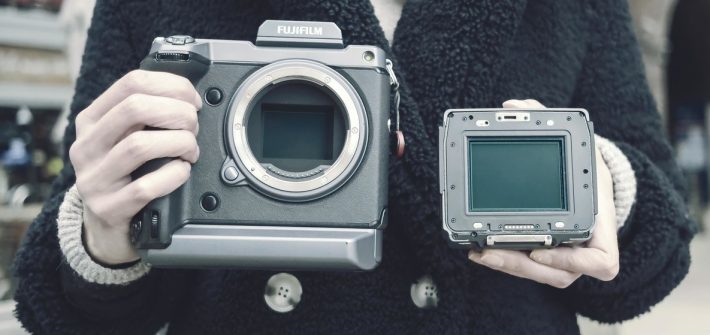
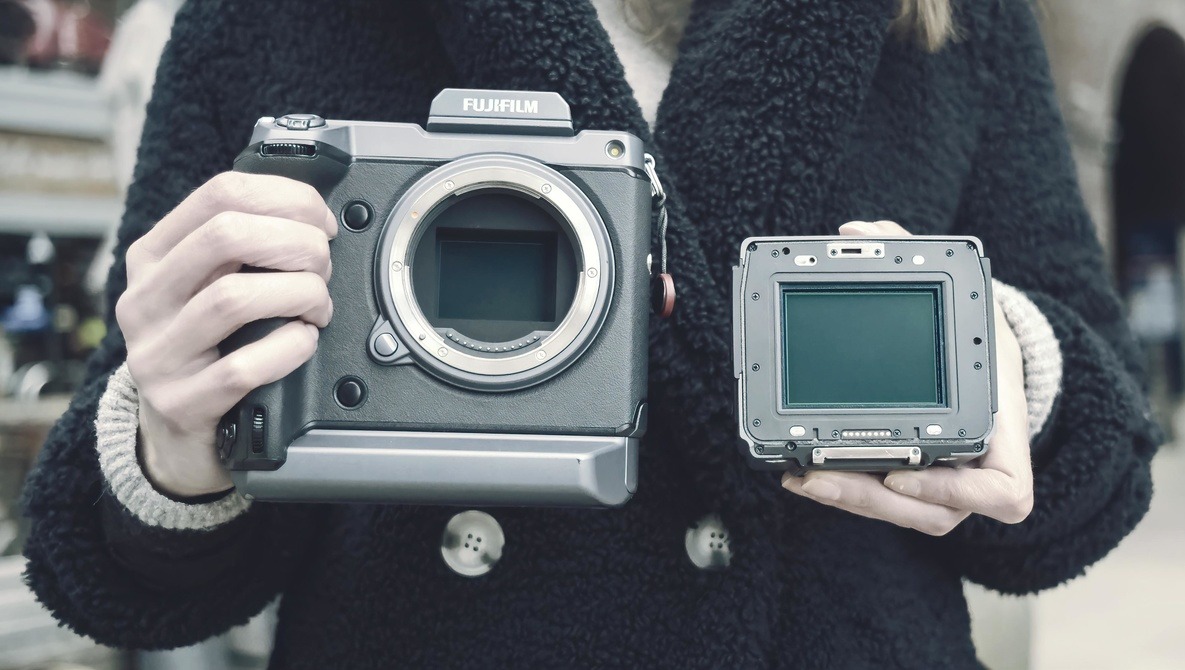
The Fujifilm GFX 100 and the Hasselblad H6D 400c are both high-resolution monster cameras. Each camera can shoot 100-megapixel files, and if you use the pixel shift features, you can produce huge 400-megapixel images. This is more resolution than any camera on the market, and we decided to compare both camera systems.