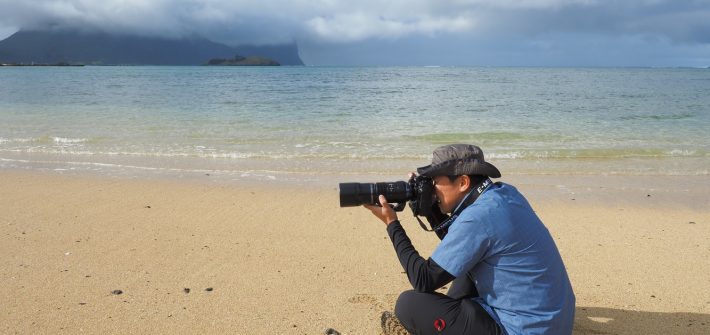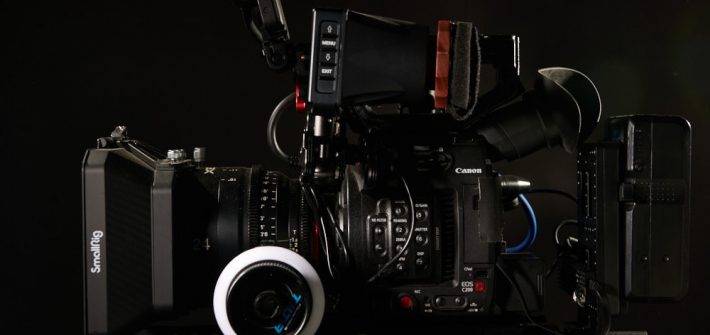
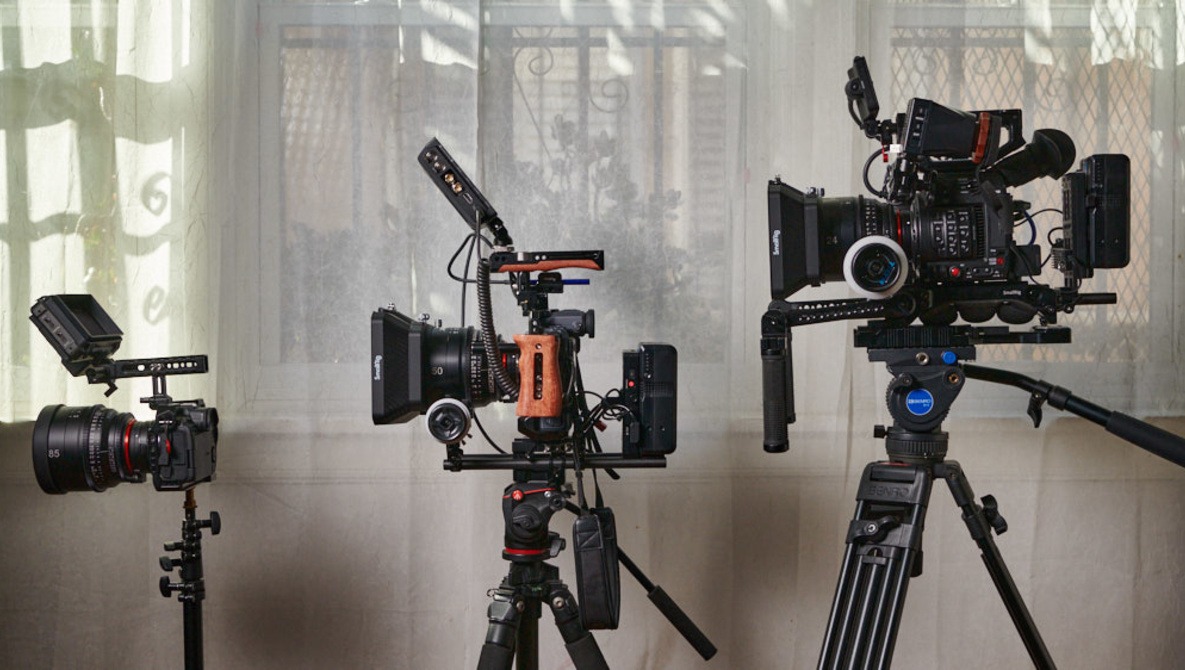
To go big or to go small, that is the question. In today’s article, I’ll look at a handful of pros and cons of each to try and figure out which is the best approach.




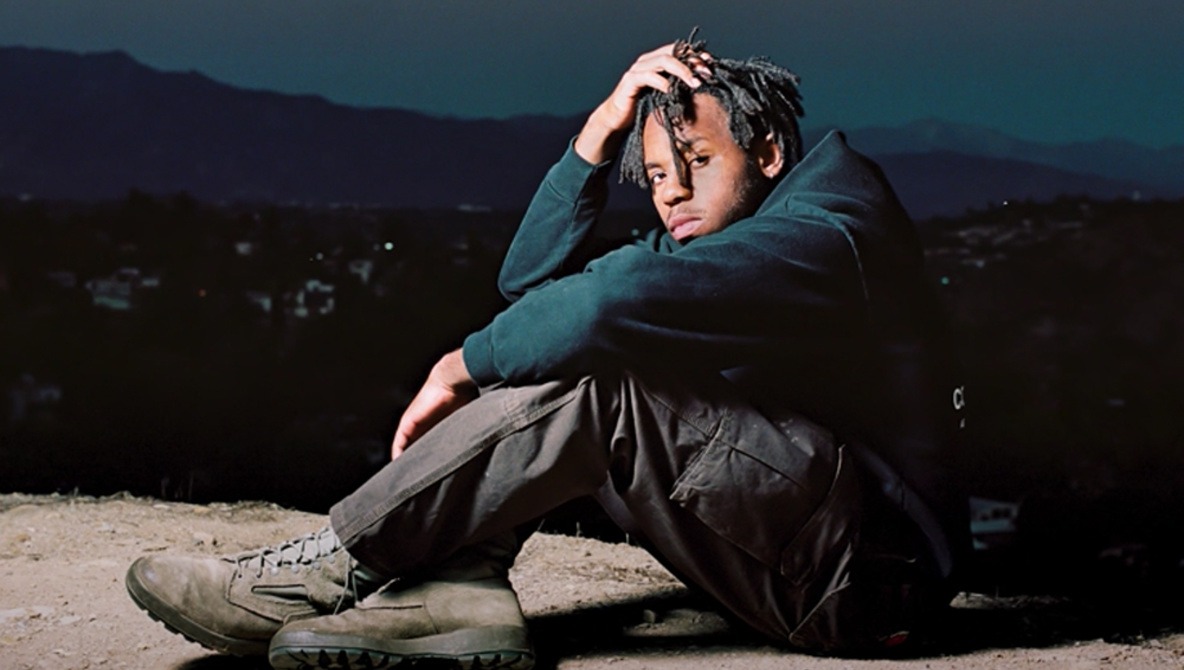
Of course, flash photography existed long before the transition to digital. However, most modern film photography is shot in natural light, whether out of an aesthetic desire or because working with flash and film is a bit of a lost art. Nonetheless, just like digital, flash can open up a lot of creative possibilities, and this excellent video tutorial will show you a modern approach to doing so.



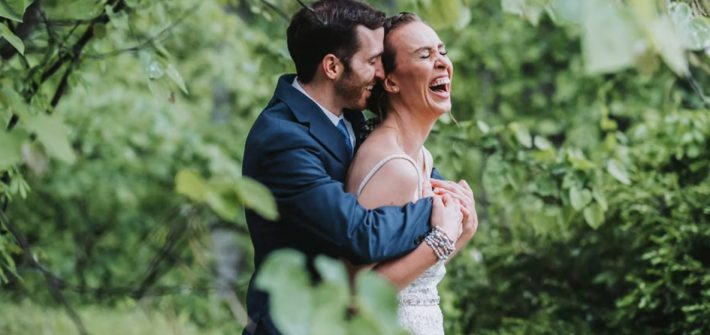
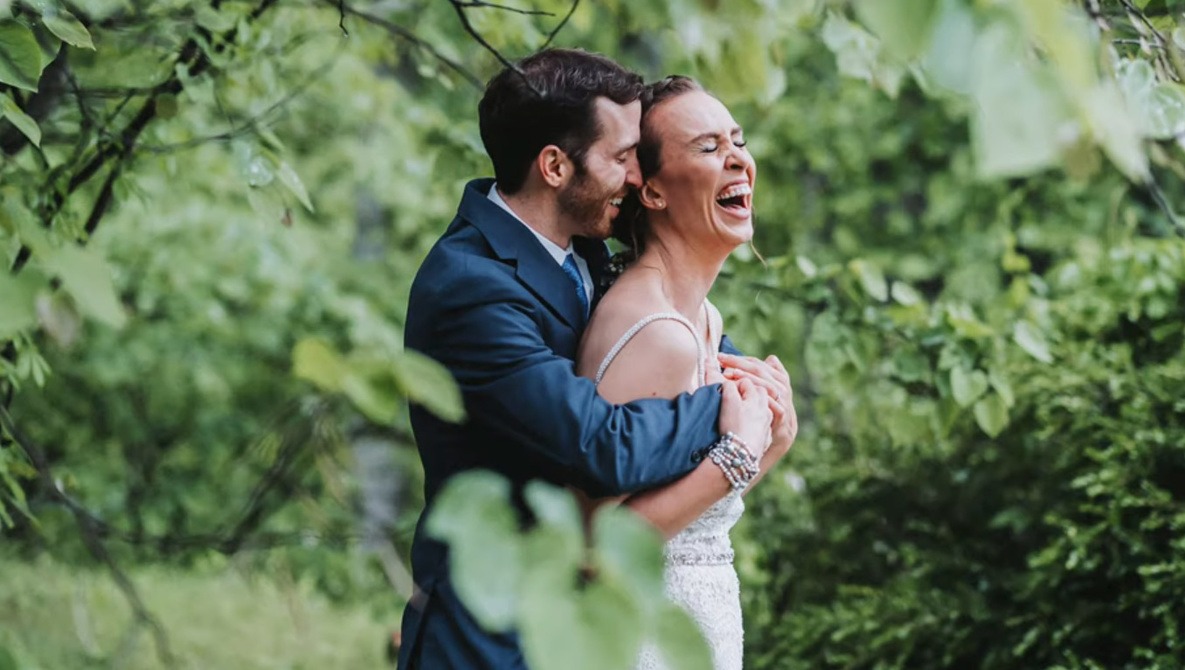
Whatever your style of wedding photography, be it classic, reportage, or leaning towards fine art, here are five poses from the bride and groom that will give you a solid foundation from which to work. This short video runs you through the list and offers some tips on how to achieve them.



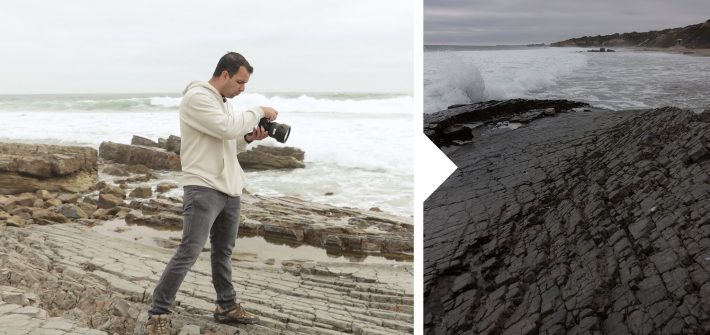
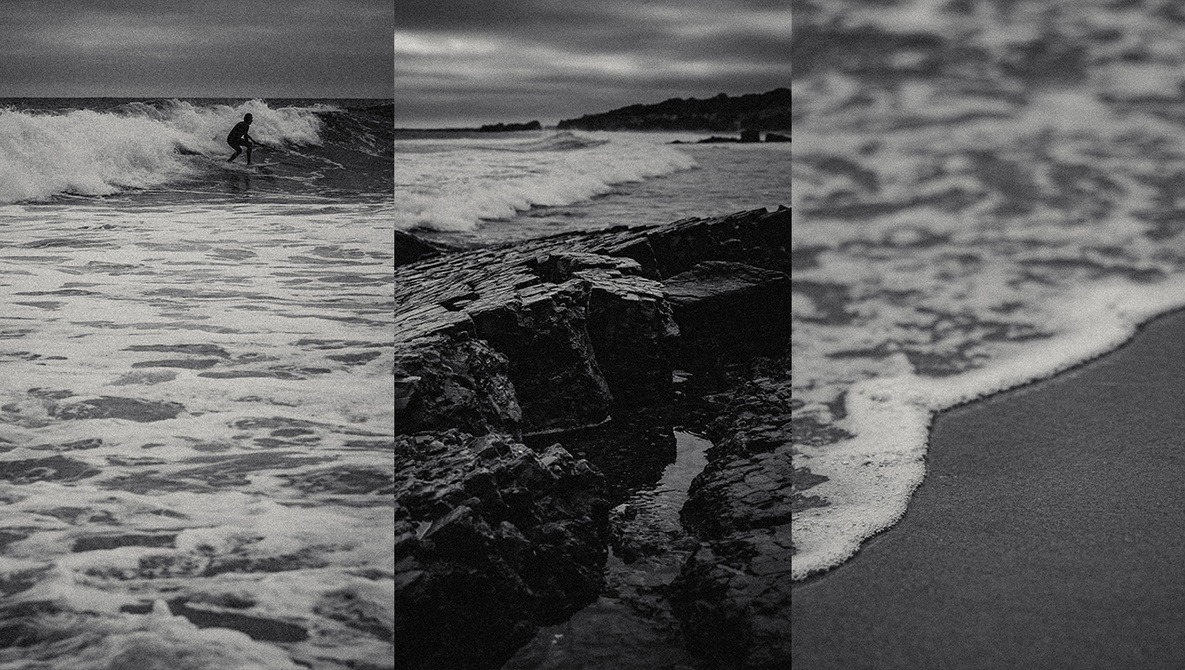
Photographers often look for the “epic” shot — the one that will stand out, get thousands of social media likes, and get printed by our clients for wall art. While these photos are important, it’s also essential to slow down and look for the other images in the scene that help tell a story and capture the vibe and emotion of the moment. In this video, we’ll review a simple storytelling framework called “Wide, Medium, Tight” to help you find these opportunities.




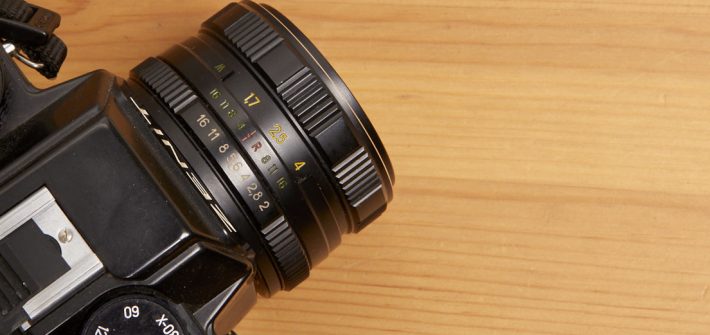

There’s always that one photographer who says they’ve got 40 years of experience, and their photos are at the high school photography level. Truth is, this happens quite often. Assuming they are telling the truth, how come someone’s pictures with so much experience look so much like a beginner’s? Let’s dive deep.