
Becoming a professional photographer is easy — all you have to do is charge money. With cheaper alternatives for gear and education, here is how the industry has been affected by the lower barrier of entry.






Food and product photography backgrounds can be incredibly difficult to come by in certain parts of the world. There are lots of tutorials out there about how to create your own textured backgrounds and wood backgrounds. But vinyl backgrounds are the bomb when it comes to portability and saving space. Creating them isn’t too difficult either.




In January, the BBC published a story about a man who was sent dog food by Amazon when he ordered an iPhone. The article prompted numerous other readers to come forward with similar stories, including cameras being replaced with cat food and computers swapped for surgical masks.

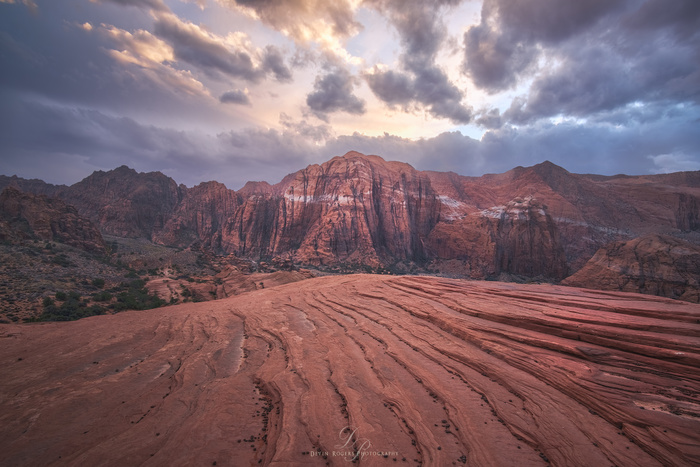
The majority of landscape photographers tend to prefer keeping the entire scene in focus from back to front, using smaller apertures to maintain greater depth of field. Using this simple technique, any photographer can quickly find the hyperfocal distance, or the focusing distance at which a lens, given any aperture and focal length, will produce the greatest depth of field.




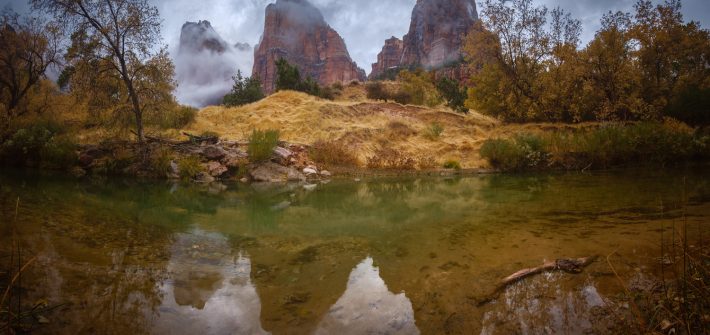
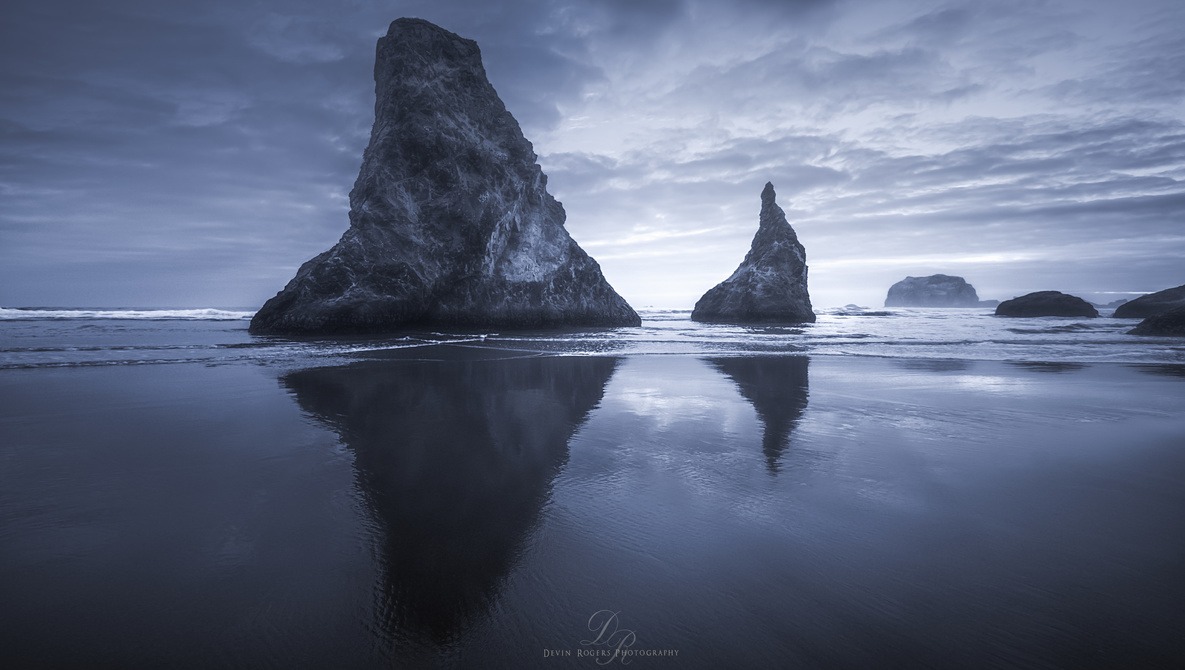
As landscape photographers, one skill that always requires honing is composition. Essentially, we seek to find a bit of beauty in the chaos of nature and then capture it in a frame. Finding and capturing reflections is a great way to portray order and symmetry. Here I’ve compiled some tips and tricks that can help you master your reflection compositions.