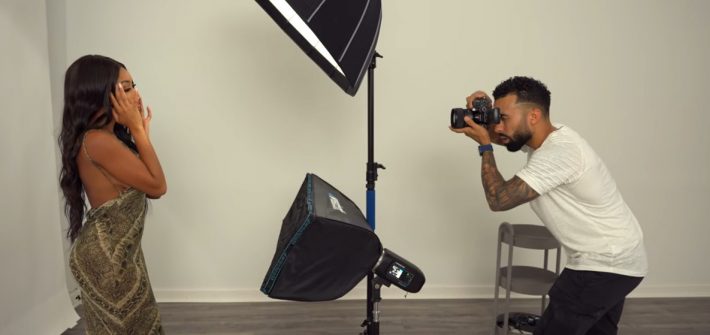
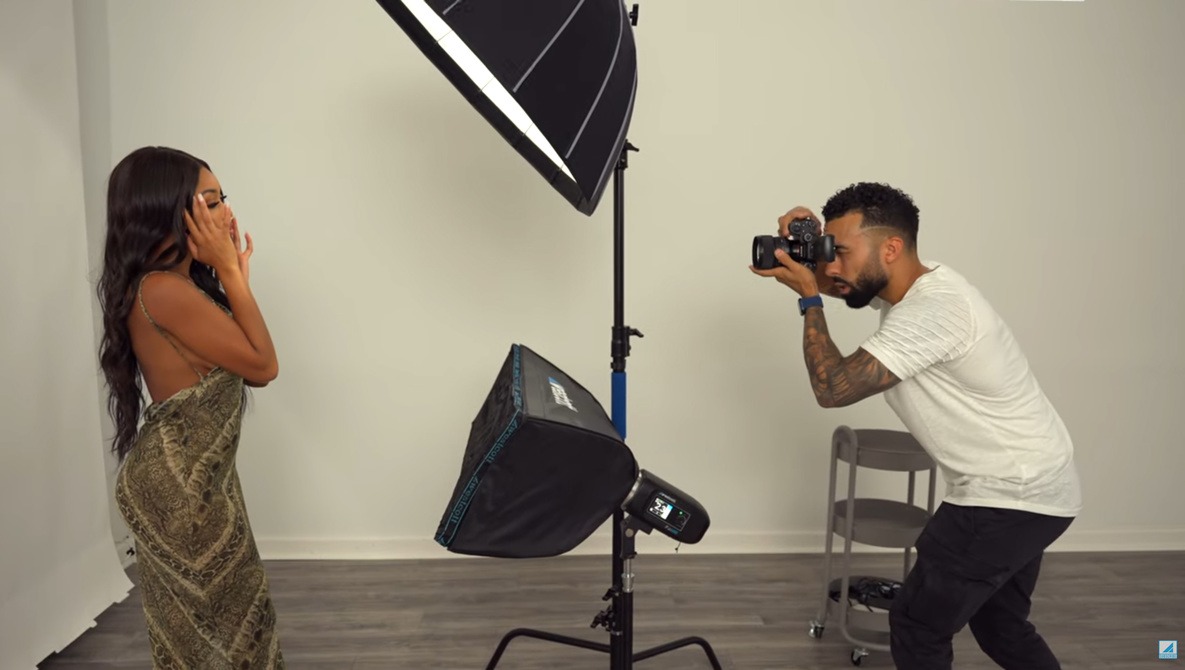
Much of great portraiture — particularly in a studio — is the art of great lighting. However, you don’t need a 5-light setup and an elaborate scene to create great images, and the beauty dish is far more versatile than its name might imply.







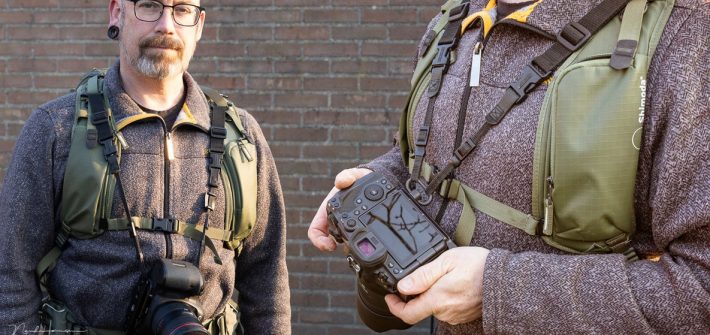
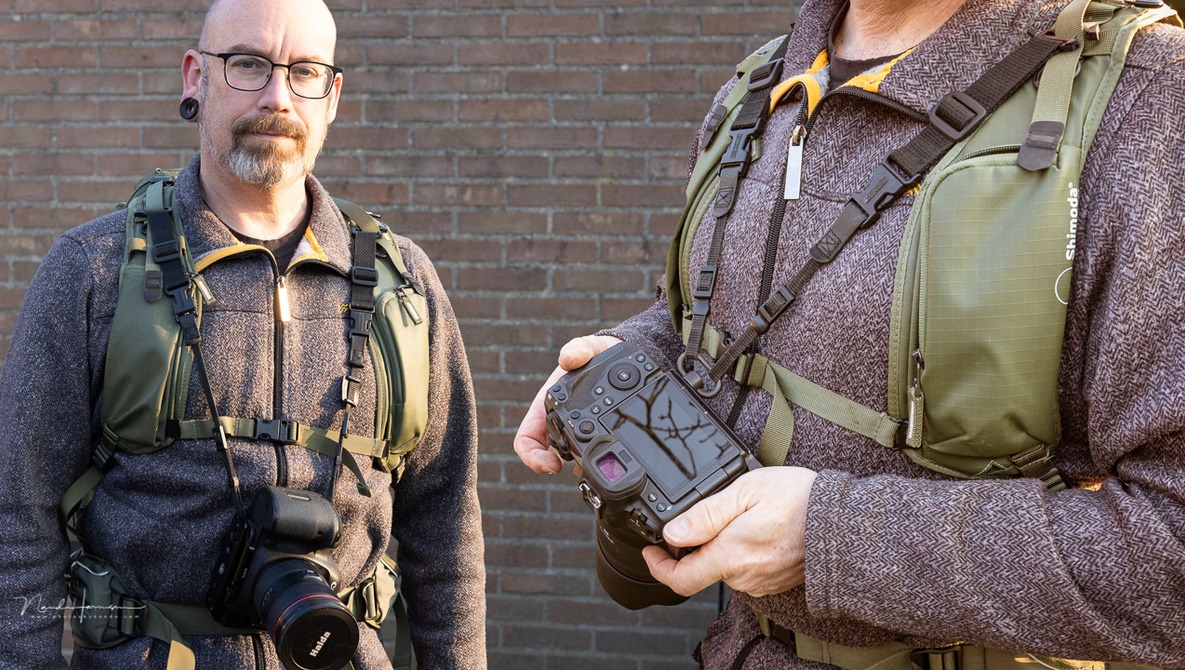
With every camera comes a nice strap, often mentioning the name of the brand. Although the strap works nicely, there are much better solutions. In the last decade, I have found a solution that suits my own needs. Since I often get questions about it, I decided to write an article about it.



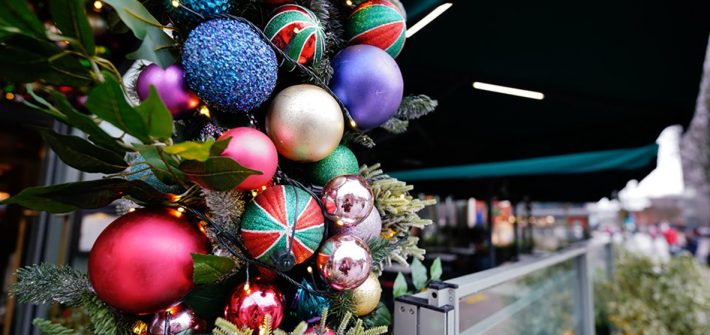

Once you get wider than 20mm, you generally do not encounter apertures wider than f/2.0, save for a few rare circumstances. One such option is the Sony FE 14mm f/1.8 GM, which positions itself as a fantastic creative tool for a wide variety of uses, and this excellent video review takes a look at the sort of performance and image quality you can expect from it in practice.



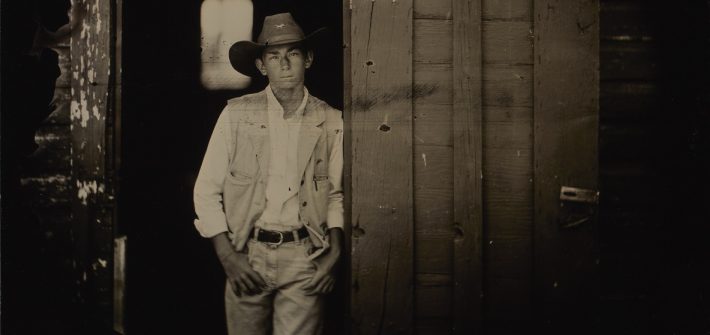
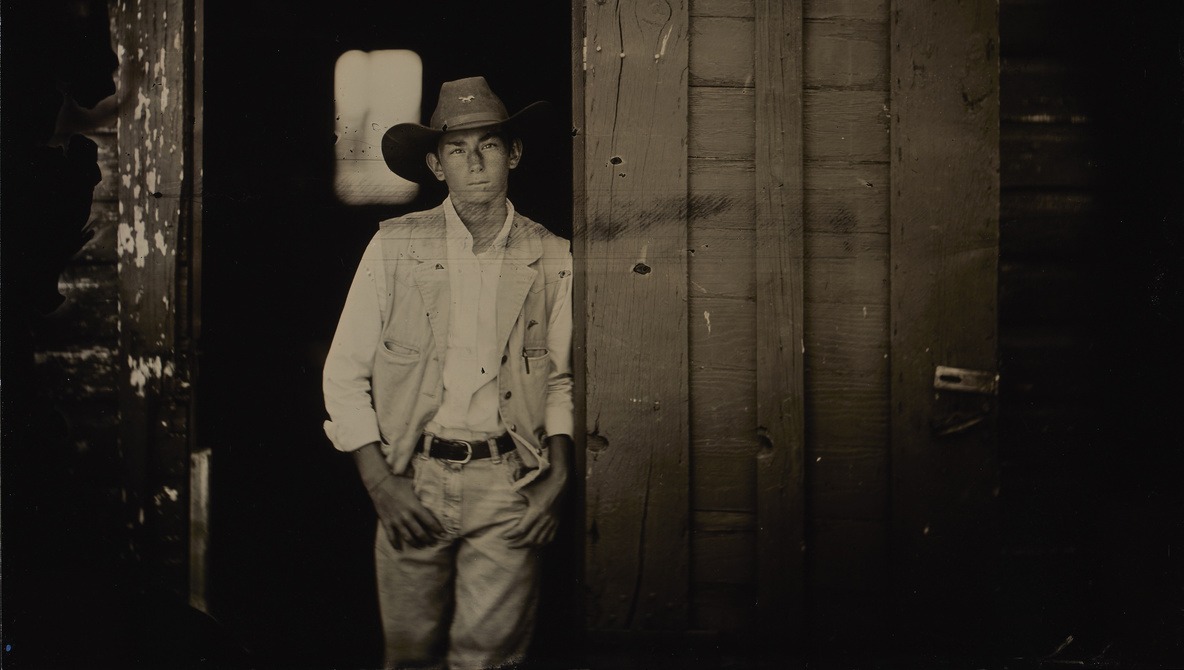
Wet plate collodion is a photographic process that dates back to the mid-1800s. It involves using antiquated equipment and processes, including toxic chemicals and is difficult to master. So, why would a modern-day successful commercial photographer be interested in pursuing this? And what insights could his journey provide?



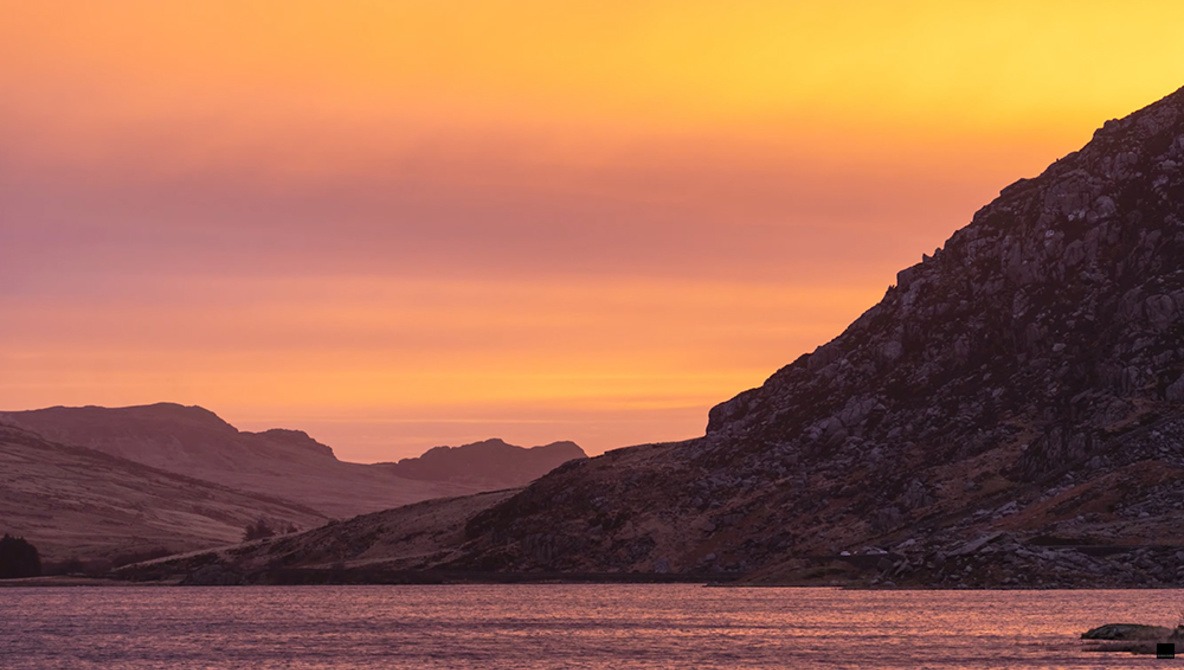
The camera industry is quite the well-oiled PR machine, with short update cycles that get photographers drooling over new gear every few months and a lot of hype drummed up over the latest and greatest camera or lens — some deserved and some not so much. This great video essay discusses five things camera companies will not tell you, and it is well worth giving it a listen.



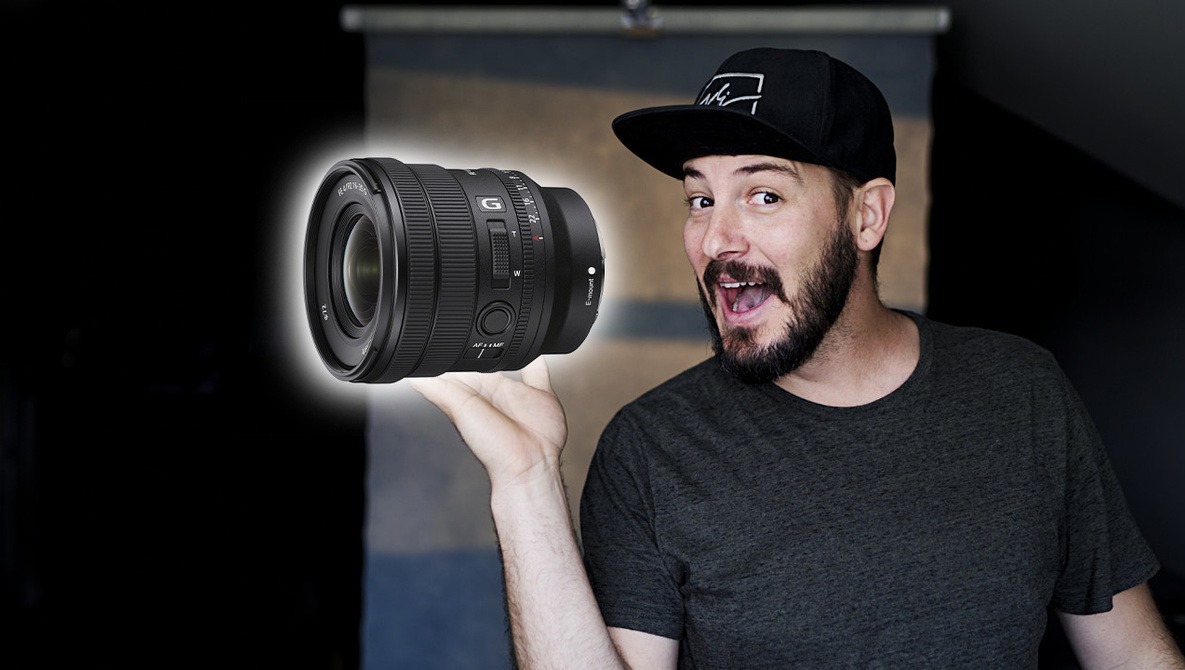
When I first heard of this Sony 16-35mm f/4 lens with power zoom, I looked at it as a gimmick feature. But after actually getting to use the lens, I think people are really going to love this lens.



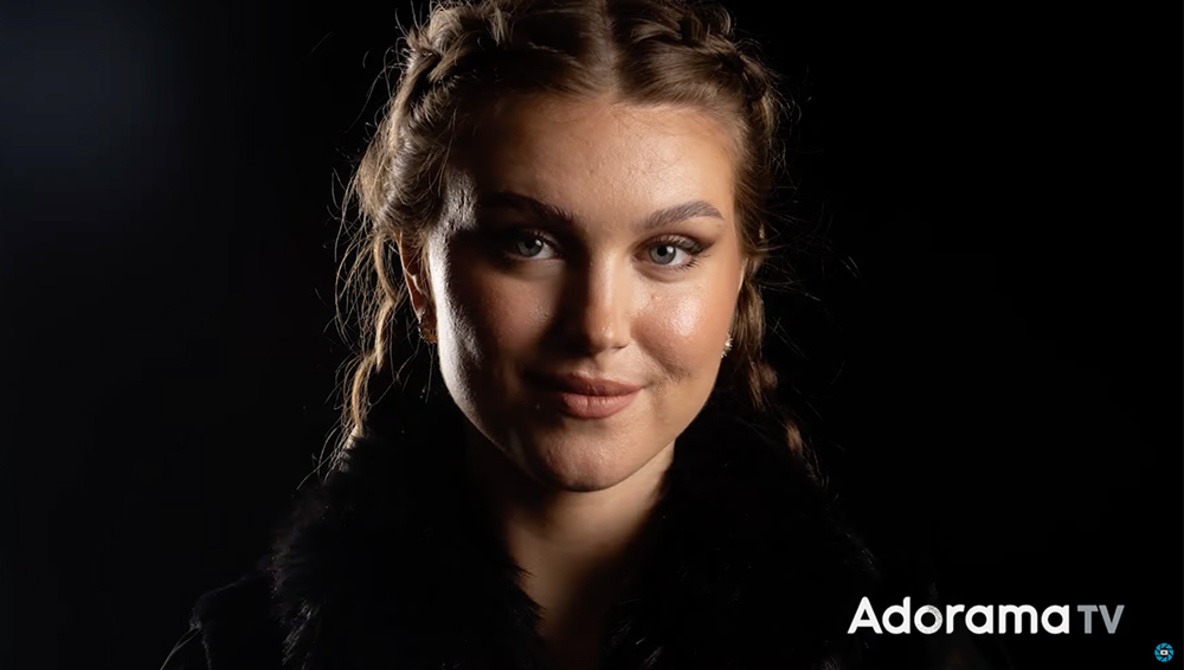
Every photographer starting out with artificial light should work exclusively with a single strobe until they are comfortable with the basics of lighting, but once you feel like you are ready to move on to more advanced setups, the first step, of course, is to add a second light, which opens up a wide range of creative possibilities. This fantastic video tutorial will show you three different ways to use that second light for portrait work to expand your creative palette.