
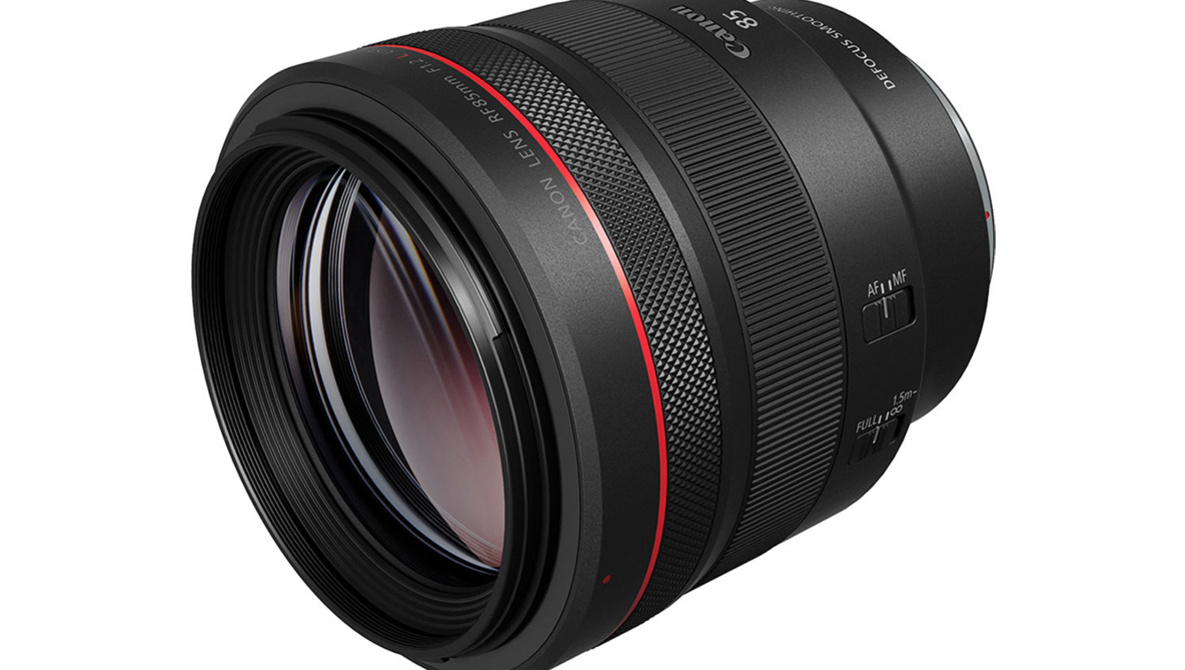
When it comes to photo gear, few things get the attention of more photographers than the promise of extra-smooth bokeh. And while Canon already has plenty of lenses that can offer that, they seem to be investing in taking it even further with several intriguing new lens designs.
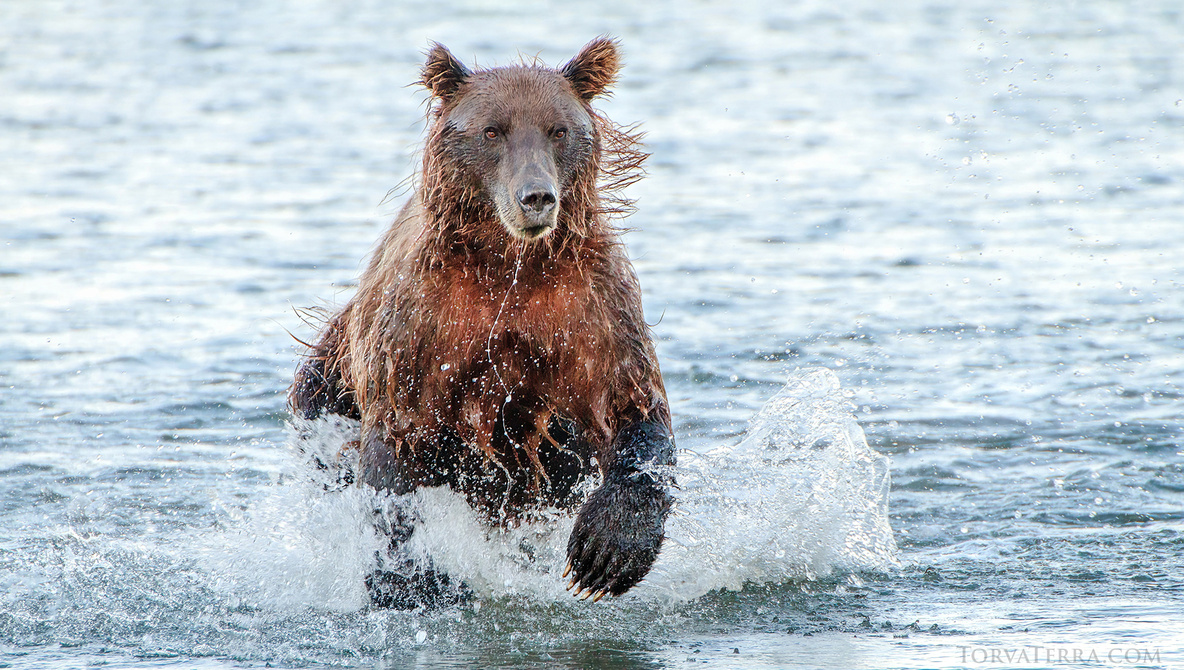
How I Used the New Topaz Photo AI to Save My Low-light Wildlife Photographs
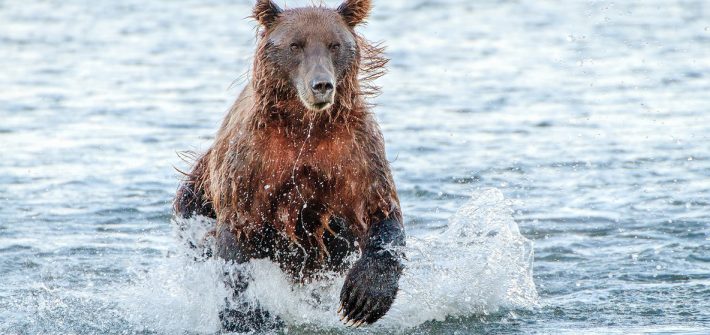
Topaz Labs, the company behind the wildly popular DeNoise AI, Sharpen AI, and Gigapixel AI, has made a huge change. These apps, once a triad of separate programs to fix your photographs, are now combined into one beefy app that is here to save the day. Meet Topaz Photo AI, your new best post-processing friend. Let me show you how I used it to save my low-light wildlife photographs.
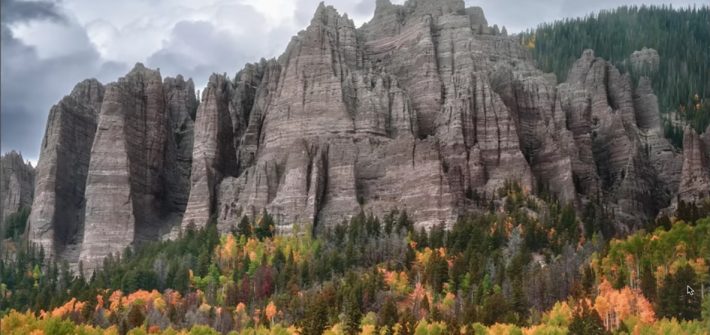
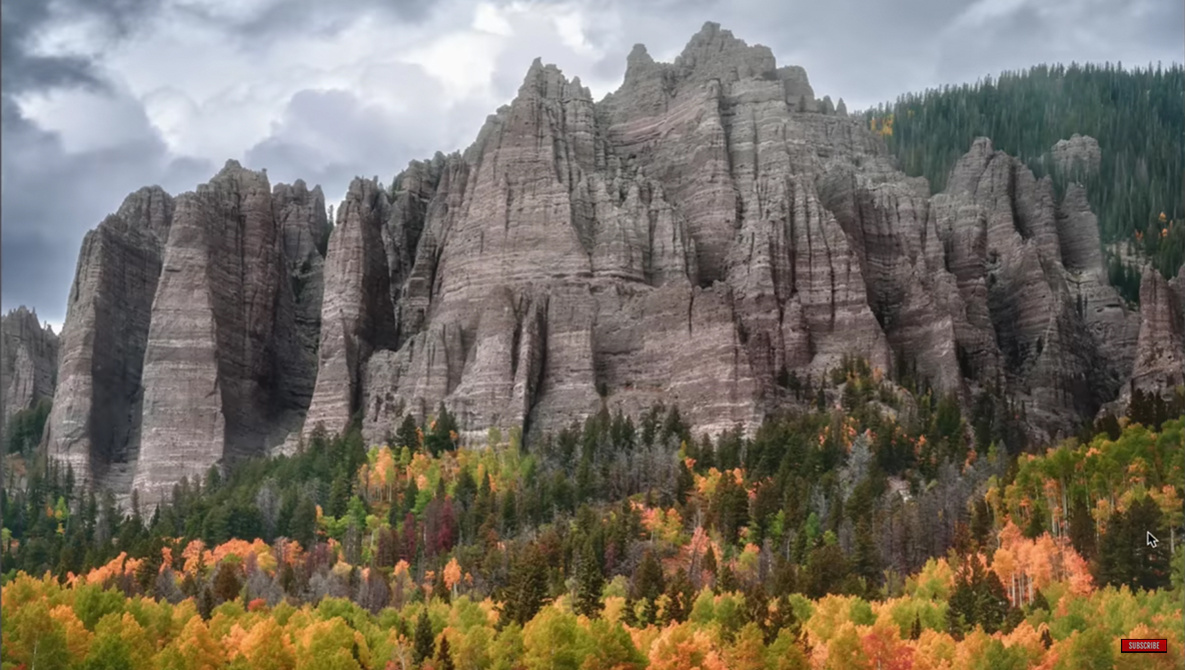
Helpful Advice for Cropping Landscape Images
When it comes to landscape photography, few creative decisions have a greater impact on the final image than your choice of crop. And yet, that can be a bit of a nebulous thing to nail down for a lot of photographers. If you would like to improve your crops and your overall images, check out this fantastic video tutorial that features an experienced landscape photographer offering a lot of helpful advice and insight into what makes a good crop.
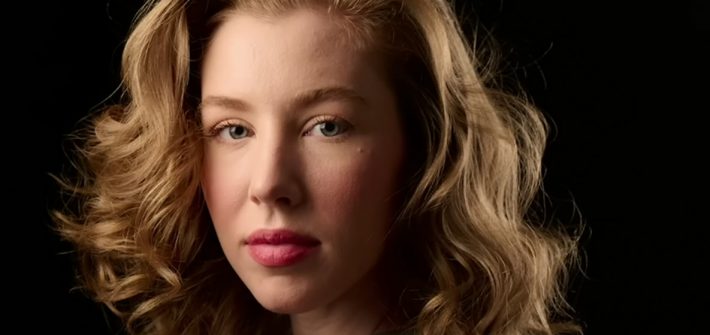
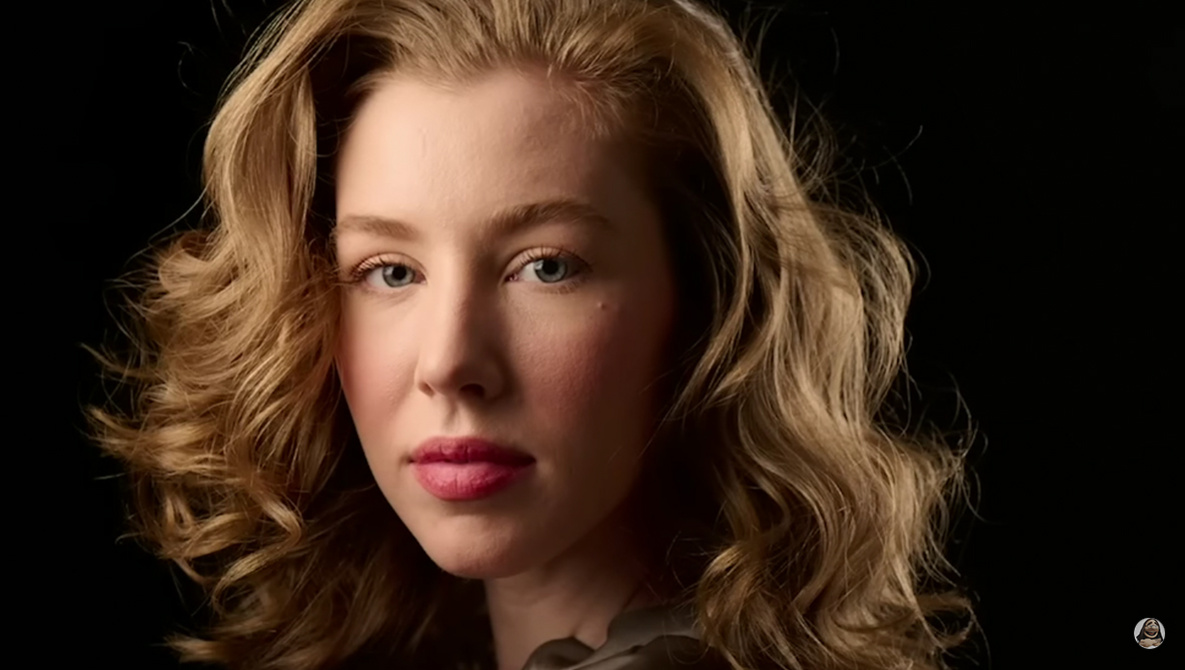
How to Place a Hair Light for Better Portrait Photos
While you can absolutely create compelling portrait photos using just a single light, moving into using multi-light setups opens a lot of creative and technical options that simply would not be possible otherwise. One of the most useful of these is the hair light, and this great video tutorial will show you how to place one properly to get the best results.
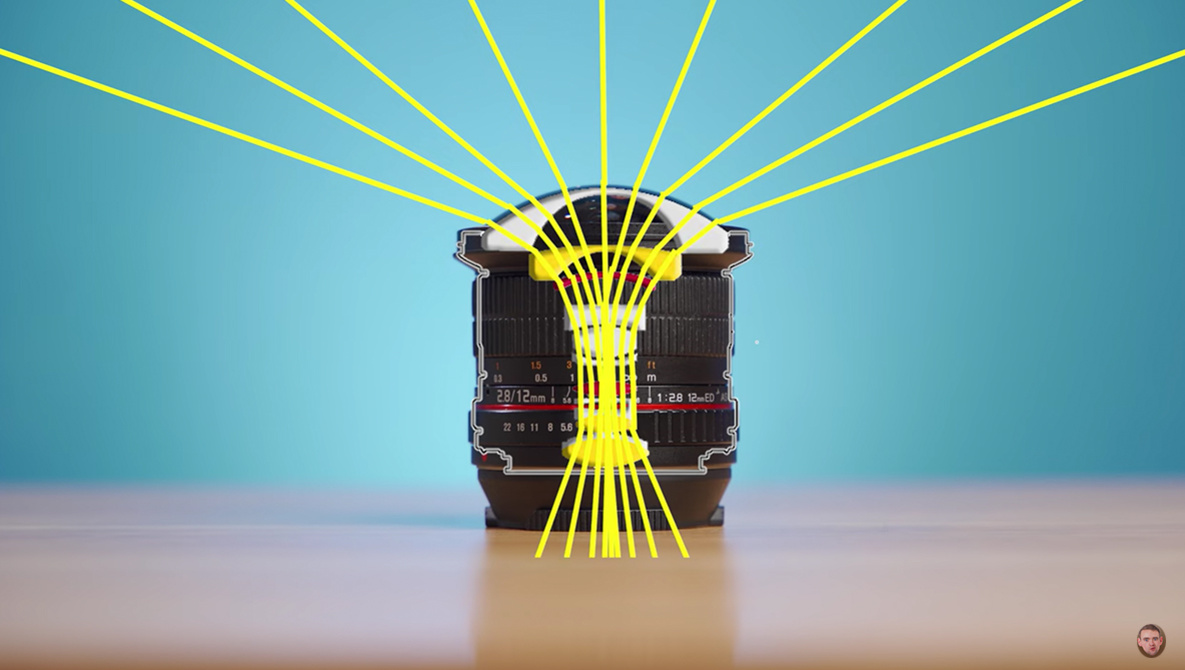
What Is the Difference Between Fisheye and Rectilinear Lenses?
If you are new to photography, you might be wondering about fundamental differences between lenses. Many beginners are drawn to fisheye lenses, which offer a different perspective on the world and the ability to get a massive field of view in one frame. So, what is the difference between a fisheye lens and a more standard rectilinear model? This excellent video tutorial will teach you what distinguishes them.
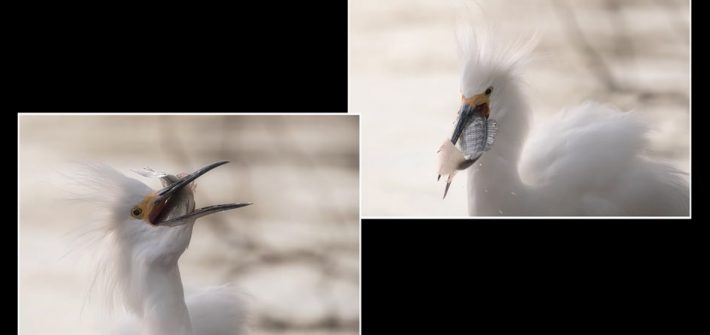
21 Helpful Tips to Improve Your Wildlife Photography
Wildlife photography is a challenging genre that often requires strong technique, specialized knowledge and equipment, and a lot of patience. Whether you are a new wildlife photographer or a longtime pro, this excellent video tutorial will give you 21 tips sure to help you create more compelling wildlife photos.
A Beginner’s Guide to Using Lighting Modifiers for Video
Photography and video have some crucial differences between them, but perhaps the most important similarity between them is that good lighting is crucial to getting the best results. If you are new to video and working on building your skills, check out this great video tutorial that will show you a variety of different lighting modifiers and how to use them to create professional-level results.
How to Properly Focus Stack Moving Water in Landscape Photos
Focus stacking is one of the most useful techniques a landscape photographer can have in their bag of tricks, making it easy to create images that are ultra-sharp across the entire frame. However, it can be a bit tricky when you have moving water in the frame. This great video tutorial will show you how to properly focus stack such a photo to get the best possible results.
How Can You Tell if You’re Improving as a Photographer? Do This Simple Test
As weeks, months, and years go by and your experience and skills in photography continue to expand, it’s always nice to get some confirmation that you’re actually improving. But, how can you get that feedback? Do this simple test, and you’ll immediately see how far you’ve evolved.
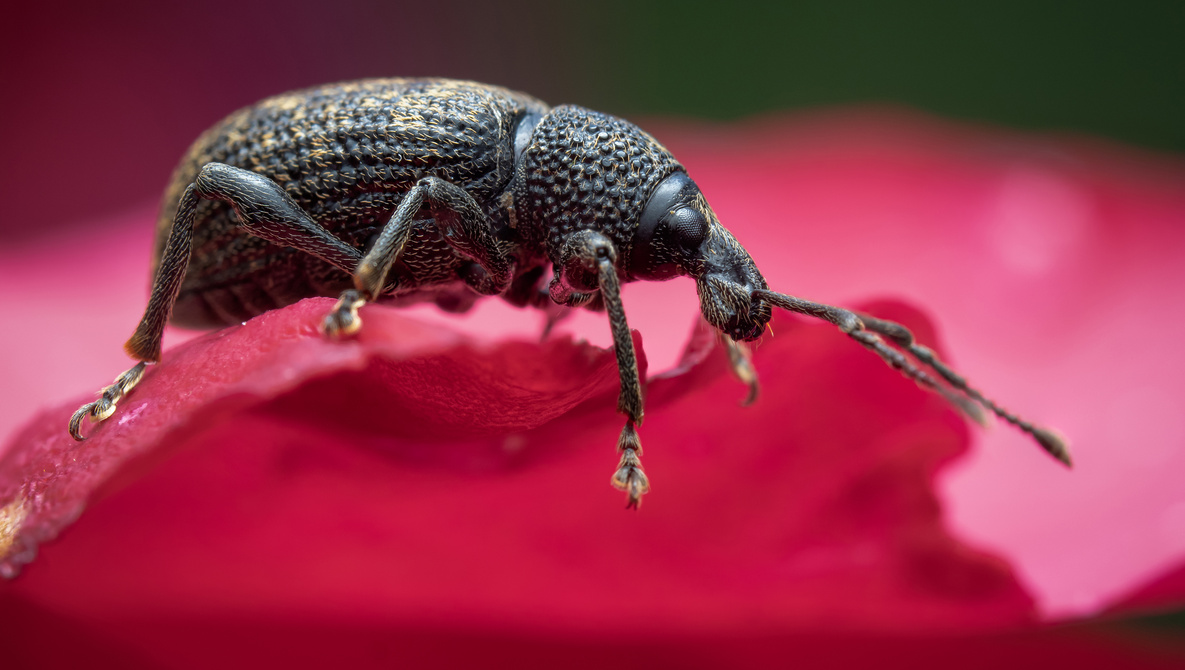
A Masterclass in Macro Wildlife Photography With Geraint Radford
Did your university lecturer radiate an aura of excitement while crawling through a damp forest, seeking subjects that most of us would not notice? Every school and college should have a Geraint Radford. His skill and enthusiasm have just made me want to buy a macro lens and try the techniques I learned while interviewing him.